The Importance of Bees in Our Ecosystem
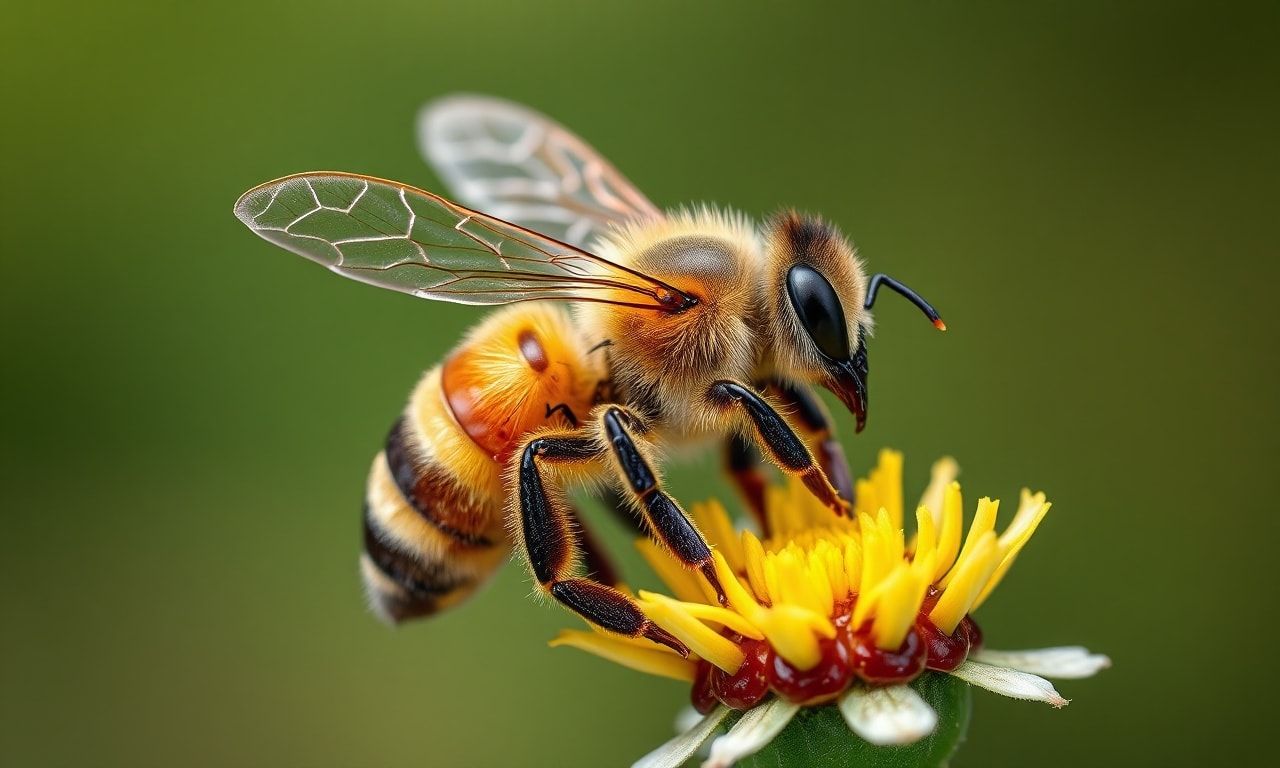
Bees are often overlooked, but they play a crucial role in our ecosystem. These tiny creatures are responsible for pollinating a significant portion of the world’s crops, which is vital for our food supply. Without bees, many plants would not be able to reproduce, leading to a collapse in biodiversity. Understanding the importance of bees can help us appreciate their contribution to our environment and encourage efforts to protect them.
The Life Cycle of a Bee
The life cycle of a bee is a fascinating process that involves several stages. It begins with the queen bee laying eggs in the hive. These eggs hatch into larvae, which are then fed by worker bees. After a few days, the larvae spin cocoons around themselves and enter the pupal stage. Finally, the adult bee emerges from the cocoon, ready to take on its role in the hive. This cycle is a testament to the intricate social structure of bee colonies.
Stages of Bee Development
- Egg: The queen bee lays eggs in the cells of the hive.
- Larva: The eggs hatch into larvae, which are fed a mixture of pollen and honey.
- Pupa: The larvae spin cocoons and enter the pupal stage, where they undergo metamorphosis.
- Adult: The adult bee emerges from the cocoon, ready to perform its duties in the colony.
The Role of Bees in Agriculture
Bees are essential for agriculture, as they pollinate a wide variety of crops. This process is crucial for the production of fruits, vegetables, and nuts. Without bees, many of these crops would not be able to reproduce, leading to a significant decrease in food production. Farmers often rely on beekeeping practices to ensure that their crops are properly pollinated. Additionally, the honey produced by bees is a valuable commodity, used in various food and health products.
For those interested in learning more about the role of bees in agriculture, the interesting facts knowledge guide provides a wealth of information on the subject. This resource can help you understand the intricate relationship between bees and the food we eat.
Threats to Bee Populations
Bee populations face numerous threats, including habitat loss, pesticide use, and climate change. These factors can disrupt the delicate balance of bee colonies, leading to a decline in their numbers. Habitat loss occurs when natural environments are destroyed or fragmented, making it difficult for bees to find food and shelter. Pesticides can be harmful to bees, as they can contaminate the nectar and pollen that bees collect. Climate change can alter the timing of flowering plants, making it difficult for bees to find food at the right time.
How to Help Protect Bees
- Plant Bee-Friendly Flowers: Growing flowers that provide nectar and pollen can help support local bee populations.
- Avoid Pesticides: Reducing the use of pesticides in your garden can create a safer environment for bees.
- Support Local Beekeepers: Buying honey and other bee products from local beekeepers can help sustain their efforts to protect bees.
- Create Bee Habitats: Setting up bee houses or leaving areas of your garden wild can provide bees with the shelter they need.
The Future of Bee Conservation
The future of bee conservation depends on our collective efforts to protect these vital pollinators. Governments, scientists, and communities must work together to address the threats facing bee populations. Research into bee biology and behavior can provide valuable insights into how to better protect them. Policies that promote sustainable agriculture and reduce pesticide use can also make a significant difference. By taking action now, we can ensure that bees continue to play their crucial role in our ecosystem for generations to come.
In conclusion, bees are an essential part of our environment, and their well-being is closely tied to our own. By understanding their importance, we can take steps to protect them and ensure that they continue to thrive. Whether through planting bee-friendly flowers, supporting local beekeepers, or advocating for policies that protect bee habitats, each of us can make a difference in the conservation of these remarkable creatures.
If you’re looking to enhance your productivity and make the most of your time, our latest article mastering time management techniques offers practical strategies to transform your daily routine.
Struggling to find harmony in your daily life? Discover essential tips for creating perfect work-life balance in our latest article.
As the sun shines brighter, it’s crucial to protect your skin; discover how with our guide to the best sun protection tips.