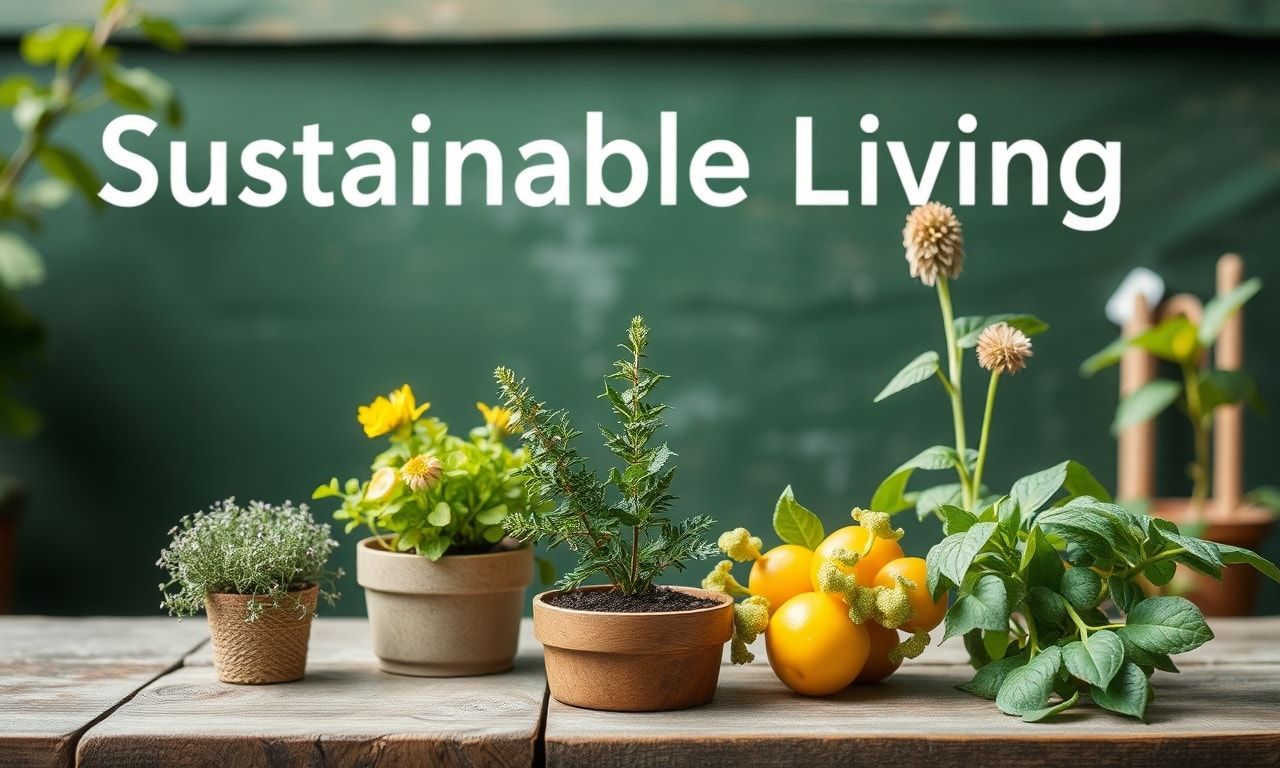
The Importance of Sustainable Living
In an era where environmental consciousness is more critical than ever, sustainable living has transitioned from a trend to a necessity. The choices we make in our daily lives, particularly in our homes and gardens, can significantly impact the planet. By adopting eco-friendly practices, we not only reduce our carbon footprint but also create healthier living spaces for ourselves and future generations.
Eco-Friendly Home Improvements
Transforming your home into an eco-friendly space involves a combination of small changes and significant upgrades. One of the most impactful areas to focus on is energy efficiency. Installing energy-efficient appliances, using LED lighting, and improving insulation can drastically reduce energy consumption. Additionally, consider incorporating renewable energy sources like solar panels to further minimize your reliance on non-renewable resources.
Another aspect of sustainable living is the use of eco-friendly materials in home improvement projects. Opt for sustainable wood, bamboo, or reclaimed materials for flooring, furniture, and other home decor items. These materials are not only durable but also have a lower environmental impact compared to traditional options. For those looking for inspiration, exploring home improvement ideas for green landscaping can provide a wealth of creative and practical solutions.
Creating a Green Garden
Your garden is an extension of your home and can be a haven for biodiversity if designed with sustainability in mind. Start by choosing native plants that require less water and are adapted to your local climate. Native plants also support local wildlife, including birds, bees, and butterflies, which are essential for a healthy ecosystem.
Composting is another excellent way to reduce waste and enrich your garden soil. By composting kitchen scraps and yard waste, you create a nutrient-rich fertilizer that eliminates the need for chemical fertilizers. Additionally, consider installing a rainwater harvesting system to collect and store rainwater for irrigation, further reducing your water usage.
Sustainable Landscaping Practices
Sustainable landscaping goes beyond planting native species and composting. It involves creating a balanced ecosystem that supports a variety of plants and animals. One effective practice is to create a wildlife-friendly garden by incorporating features like bird baths, bee houses, and butterfly gardens. These elements provide habitats and food sources for local wildlife, promoting biodiversity.
Another important aspect of sustainable landscaping is the use of permeable paving materials. Traditional concrete and asphalt surfaces prevent water from seeping into the ground, leading to runoff and potential flooding. Permeable materials, such as gravel, permeable pavers, and porous asphalt, allow water to infiltrate the soil, reducing runoff and replenishing groundwater supplies.
Reducing Waste in Your Home and Garden
Reducing waste is a fundamental principle of sustainable living. In your home, practice the three R’s: reduce, reuse, and recycle. Minimize the purchase of single-use items, opt for reusable products, and recycle materials like paper, plastic, and glass. In your garden, compost organic waste and use mulch to retain moisture and suppress weeds, reducing the need for chemical herbicides.
Additionally, consider repurposing old items instead of discarding them. For example, old tires can be transformed into planters, and wooden pallets can be used to create garden furniture. These creative solutions not only reduce waste but also add unique character to your garden.
Educating Yourself and Others
Sustainable living is a continuous learning process. Stay informed about the latest eco-friendly practices and technologies by reading books, attending workshops, and following reputable online resources. Share your knowledge with friends, family, and your community to inspire others to adopt sustainable practices.
By taking small, consistent steps towards sustainability, you can make a significant impact on the environment. Whether it’s through home improvements, gardening, or waste reduction, every action counts. Embrace the journey of sustainable living and contribute to a healthier, greener planet for all.
If you’re looking to make a positive change in your life, consider exploring transforming your lifestyle sustainably for a healthier and more eco-friendly future.
Looking to make your home more eco-friendly? Our comprehensive guide, green home renovation tips, offers practical advice for sustainable living.
Interested in making a positive impact on the planet? Discover practical ways to promote a sustainable lifestyle in our daily lives with tips for eco-friendly living.