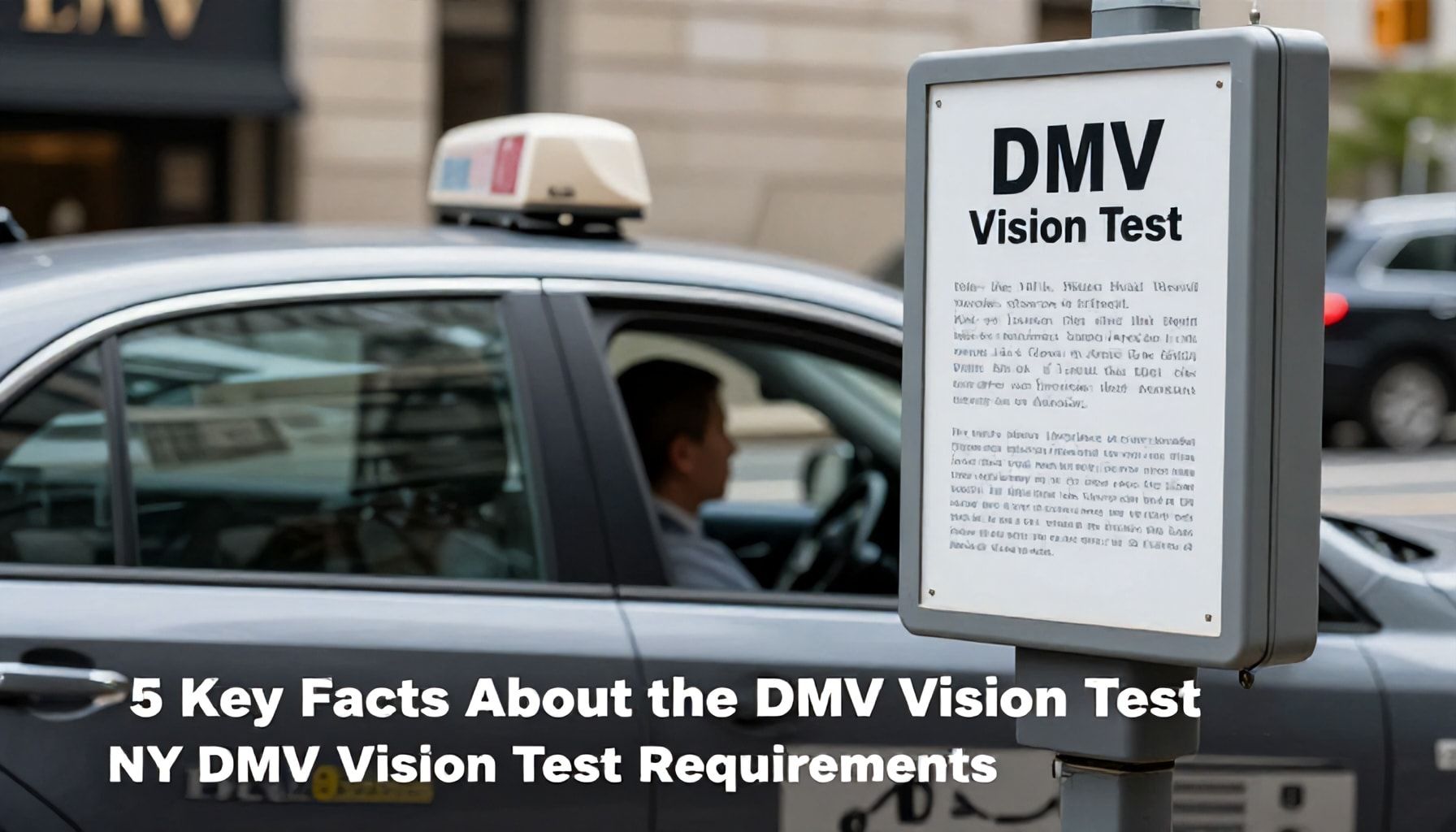
Last year, over 1.2 million New Yorkers visited a DMV office, many for the first time since the pandemic. Whether you’re a longtime resident of Sunset Park or a recent arrival in Jackson Heights, navigating the DMV can feel like trying to hail a cab in the rain—chaotic and confusing. One often overlooked hurdle? The vision test. It’s not just about reading the eye chart; there’s more to it than meets the eye. From the bustling streets of Flushing to the quiet corners of Washington Heights, New Yorkers rely on their driver’s licenses for work, family, and freedom. That’s why understanding the NY DMV Vision Test Requirements: What You Need to Know is crucial. Whether you’re renewing your license at the DMV on Fordham Road or applying for the first time in Downtown Brooklyn, knowing what to expect can save you time and stress. This isn’t just about passing a test; it’s about keeping your life moving in a city that never stops.
Understanding the DMV Vision Test in NYC
New York City drivers, listen up. That eye exam at the DMV isn’t just another bureaucratic hurdle—it’s a critical safety measure. The New York State Department of Motor Vehicles (DMV) requires all driver’s license applicants to pass a vision test. Here’s what you need to know to pass with flying colors.
First, the basics. The DMV vision test checks your visual acuity, the sharpness of your vision. You’ll need to read a series of letters or numbers on a chart from a distance of 20 feet. The test is simple, but it’s not something to take lightly. In 2022, over 10,000 applicants failed the test statewide, according to DMV data. To pass, you need at least 20/40 vision in at least one eye, with or without corrective lenses.
Here’s a pro tip: if you wear glasses or contact lenses, wear them during the test. The DMV wants to ensure you can see clearly while driving, so they’ll note any corrective lenses on your license. And if you’re not a native English speaker? Don’t worry. The test is available in multiple languages, reflecting NYC’s diverse communities.
What if you don’t pass? Don’t panic. You can retake the test, but you’ll need to schedule another appointment. If your vision is correctable with lenses, you can take the test again immediately. But if your vision isn’t correctable, you’ll need to visit an eye specialist. Organizations like the Lions Club International, with local chapters in NYC, offer free vision screenings and can guide you to affordable eye care.
Remember, the vision test is just one part of the licensing process. But it’s a crucial one. As NYC DMV spokesperson Tim O’Brien puts it, “Clear vision is vital for safe driving. We want to ensure every driver on our roads can see clearly.” So, whether you’re a new driver or renewing your license, take the vision test seriously. Your safety—and the safety of others—depends on it.
Why Vision Tests Matter for New York Drivers
Driving in New York City comes with its own set of challenges, from navigating crowded streets to understanding complex parking rules. But one often overlooked aspect of maintaining a driver’s license is the vision test required by the New York State Department of Motor Vehicles (DMV). This simple yet crucial test ensures that drivers can see well enough to operate a vehicle safely. Here are five key facts about the DMV vision test that every NYC driver should know.
The vision test is a mandatory part of the licensing process. Whether you’re a new driver or renewing your license, you’ll need to pass this test. The DMV requires drivers to have at least 20/40 vision in at least one eye, with or without corrective lenses. This standard ensures that drivers can see clearly enough to react to road conditions, traffic signals, and other vehicles. If you fail the test, you may need to visit an eye doctor for a vision correction recommendation before retaking it.
According to the NY State DMV, vision tests are a critical safety measure. “Good vision is essential for safe driving,” says a DMV spokesperson. “Our vision test helps ensure that all drivers on New York roads can see well enough to drive safely.” This is particularly important in a city like New York, where drivers must navigate complex intersections, heavy traffic, and unpredictable pedestrians.
For many New Yorkers, especially those from immigrant communities, understanding the vision test requirements can be a bit daunting. Organizations like the NYC Department of Consumer Affairs offer resources and support to help drivers understand the process. They provide multilingual assistance and can guide you through the steps of getting your license, including the vision test.
If you wear glasses or contact lenses, you can still pass the vision test. The DMV allows drivers to use corrective lenses during the test. However, if you rely on glasses or contacts to meet the vision standard, you must wear them every time you drive. Failing to do so could put you and others at risk. Remember, the goal of the vision test is to ensure that all drivers can see well enough to operate a vehicle safely on New York’s busy roads.
How the Test Works and What It Evaluates
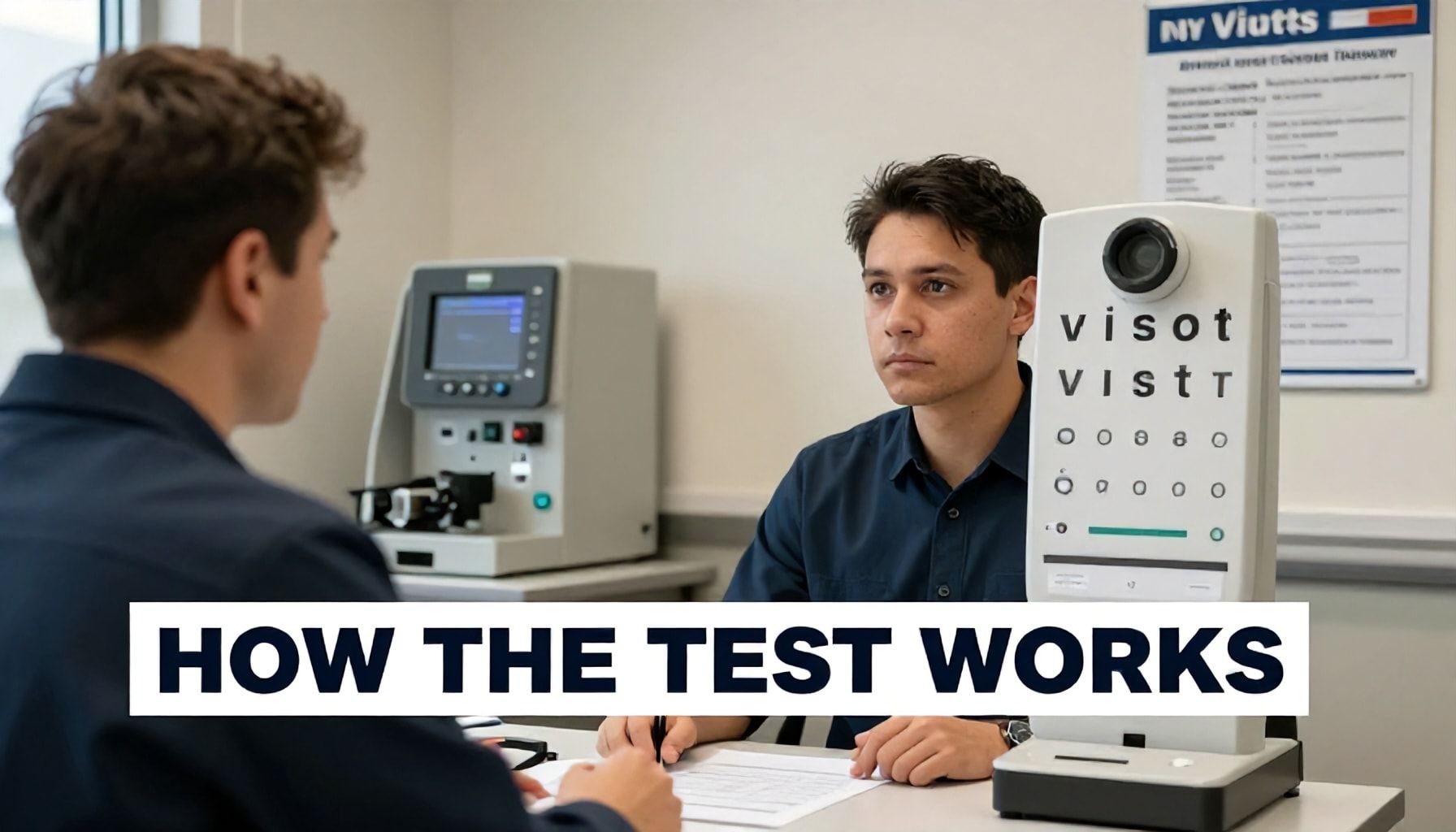
New York City’s Department of Motor Vehicles (DMV) vision test is a crucial step for drivers, ensuring they can safely navigate the city’s bustling streets. The test is straightforward but essential, checking your visual acuity to meet state standards. Here’s what you need to know.
First, the test evaluates your distance and peripheral vision. You’ll read characters on a chart from 20 feet away, similar to eye exams at local clinics like the NYC Health + Hospitals’ Vision Van, which serves communities across the five boroughs. The standard requirement is 20/40 vision in at least one eye, with or without corrective lenses. If you wear glasses or contacts, you can take the test with them on.
For those who don’t meet the 20/40 standard, the DMV offers alternatives. You might pass with at least 20/40 vision in both eyes, or with a visual acuity of 20/70 to 20/200 in one eye and at least 20/40 in the other, provided you have a visual field of at least 120 degrees. “It’s all about ensuring safety on our roads,” says a DMV spokesperson, emphasizing the importance of clear vision for driving in the city’s dense traffic.
If you fail the test, don’t worry. You can retake it, and the DMV may refer you to an eye specialist for further evaluation. Remember, the vision test is just one part of the licensing process, but it’s a vital one. Whether you’re a longtime resident or a new New Yorker, understanding these requirements helps you stay safe and compliant on NYC roads.
Preparing for Your DMV Vision Test in NYC
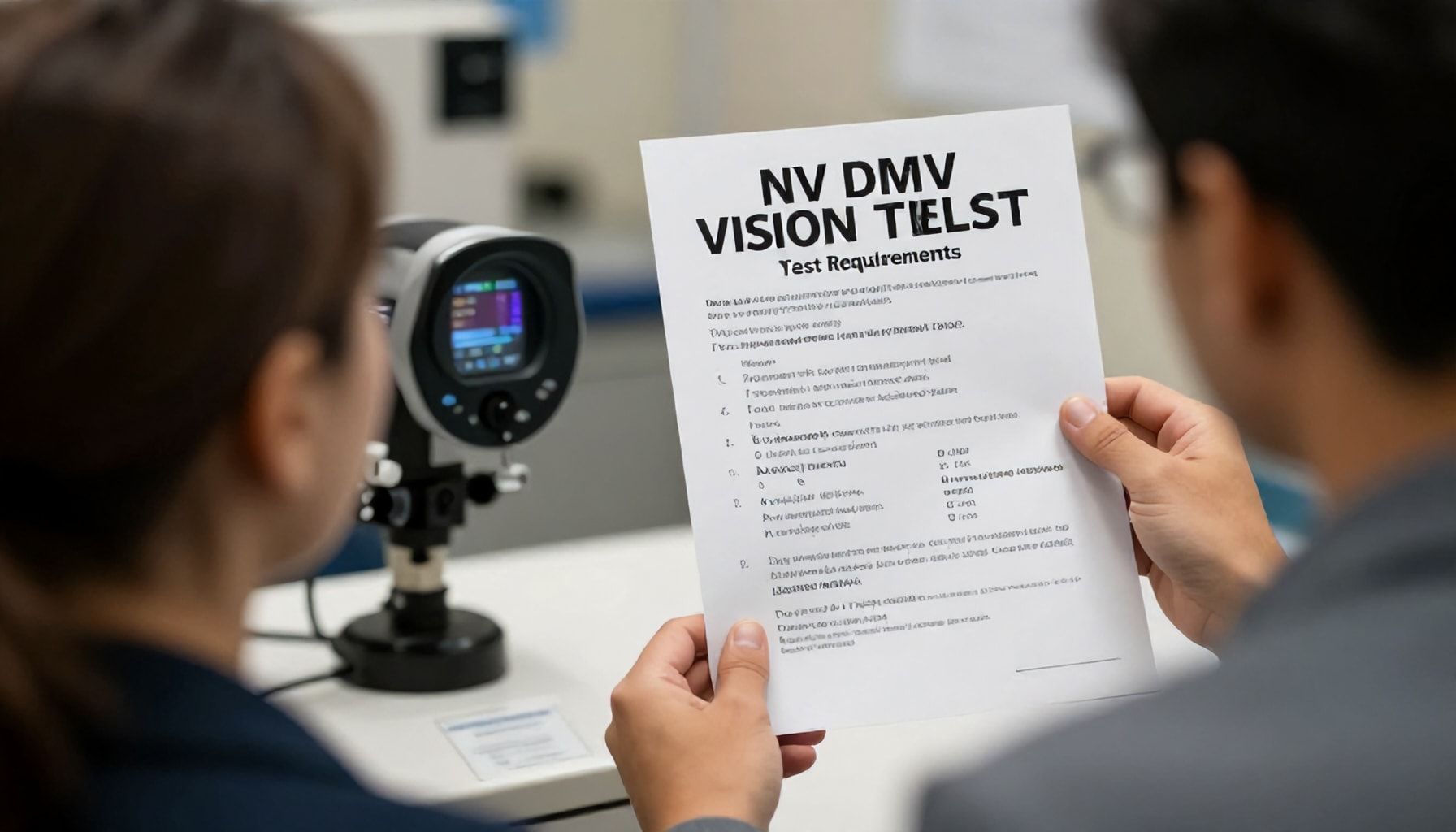
New Yorkers know that navigating the DMV can be a challenge, but one of the simplest steps is often overlooked: the vision test. Whether you’re a new driver or renewing your license, understanding the DMV vision test requirements can save you time and hassle. Here are five key facts to help you prepare.
First, the test is straightforward. You’ll be asked to read letters or numbers on a chart from a distance of 20 feet. The DMV requires that you have at least 20/40 vision in at least one eye, with or without corrective lenses. If you wear glasses or contacts, make sure to bring them. The test is free and takes just a few minutes.
For those who need a little extra help, the DMV offers accommodations. If you have a visual impairment, you can request assistance. “We want to ensure that everyone has equal access to our services,” says a spokesperson from the NYC DMV. Additionally, the test is available in multiple languages, reflecting the diversity of New York City. Organizations like the Chinese American Planning Council and the Dominican-American Association often provide resources and support for non-native English speakers navigating the DMV process.
It’s also important to note that the vision test is just one part of the licensing process. You’ll need to pass other tests, such as the written and road tests, but the vision test is a crucial first step. For more information, visit the NYC DMV website or stop by your local office. Whether you’re in Queens, the Bronx, or Brooklyn, there’s a DMV location nearby to serve you.
Lastly, if you fail the vision test, don’t worry. You can retake it after addressing any vision issues with an eye doctor. New York City has numerous resources for affordable eye care, such as the NYC Health + Hospitals system. Taking care of your vision is not just about passing the test; it’s about ensuring safety on the roads for everyone.
What's Next for Vision Testing in the Five Boroughs
Navigating the DMV can feel like a marathon through the five boroughs, but understanding the vision test requirements doesn’t have to be a sprint in the dark. Whether you’re a longtime New Yorker or a recent arrival, knowing the rules can save time and hassle. Here are five key facts about the NYC DMV vision test that every driver should know.
First, the test is simple: you’ll read a chart with varying sizes of letters, numbers, or symbols. The DMV requires you to correctly read a certain number of them to pass. No fancy equipment or complicated procedures—just a quick check to ensure you can see the road ahead. The test is free, and you don’t need an appointment. Just walk into any DMV location, and you’re good to go. For those in Queens, the DMV in Jamaica is a popular spot, while Brooklyn residents often head to the one in Boerum Hill.
Second, if you wear glasses or contacts, wear them during the test. The DMV wants to know your corrected vision, not your uncorrected sight. If you fail the test, you’ll need to get an eye exam from a licensed optometrist or ophthalmologist and return with a report. This can add time and cost, so it’s best to be prepared. For those in the Bronx, the New York Eye and Ear Infirmary offers affordable eye exams, while Manhattan residents can check out the NYC Health + Hospitals system for low-cost options.
Third, the vision test is just one part of the licensing process. You’ll also need to pass a written test and a road test. But don’t worry—plenty of resources are available to help you prepare. The DMV’s website offers practice tests, and local driving schools, like the American Auto Institute in Brooklyn or the New York Safety Institute in Manhattan, provide classes and tips. For immigrants, organizations like the New York Immigration Coalition offer resources and support to navigate the process.
Fourth, if you’re renewing your license, you might not need to take the vision test. The DMV may waive it if your license is still valid and you’re renewing within a certain timeframe. But if you’re not sure, it’s always a good idea to check. The DMV’s website has a handy tool to help you determine what you need. For those in Staten Island, the DMV in New Springville is a convenient spot to renew your license.
Lastly, remember that the vision test is just a small part of being a safe driver. Regular eye exams are crucial, especially as you age. The American Optometric Association recommends an eye exam every one to two years for adults. For New Yorkers on a budget, the Lions Club International offers free or low-cost eye exams and glasses through its local chapters. So, whether you’re a seasoned driver or a newbie, taking care of your vision is a must. Stay sharp, stay safe, and happy driving!
Knowing the ins and outs of the DMV vision test isn’t just bureaucratic busywork — it’s your ticket to hitting NYC streets with confidence. Whether you’re a senior in Staten Island maintaining independence or a Bronx delivery worker keeping the city running, clear vision is non-negotiable. Schedule your eye exam today and bring your results to any DMV location — no need to wait for your next renewal. As our city’s diverse communities continue to grow and evolve, staying informed about these essential requirements ensures everyone can move forward safely and independently.