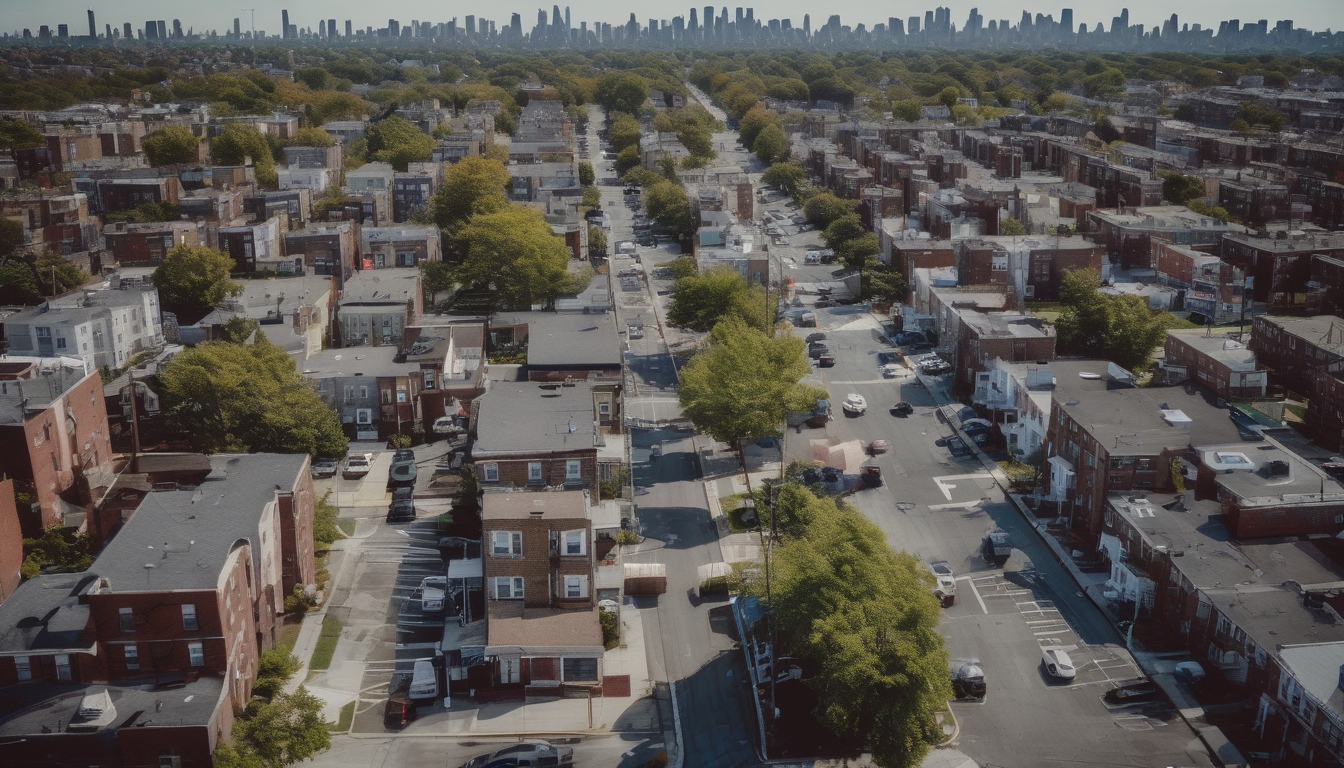
If you’re comparing South Ozone Park vs Richmond Hill: Indian Community Density, Richmond Hill currently has a noticeably higher concentration of Indian-owned businesses, temples, and grocery stores, especially along Liberty Avenue. As of November 2024, demographic estimates suggest that Richmond Hill’s Indian and Indo-Caribbean population is growing faster than South Ozone Park’s. For anyone seeking authentic Indian groceries or cultural events, Liberty Avenue in Richmond Hill is busier and more specialised than Rockaway Boulevard in South Ozone Park. Navigating both neighbourhoods can be tricky because boundaries overlap and census data groups “South Asian” identities together, masking specific Indian density. This matters for finding familiar food, places of worship, and social connections. In this guide, you’ll find a street-by-street breakdown, key community spots, and practical advice on renting or relocating based on the actual distribution of Indian residents. Expect only factual, up-to-date insights tailored for immigrants seeking real cultural proximity—not generic neighbourhood summaries.
Overview of Indian Community Density in South Ozone Park and Richmond Hill
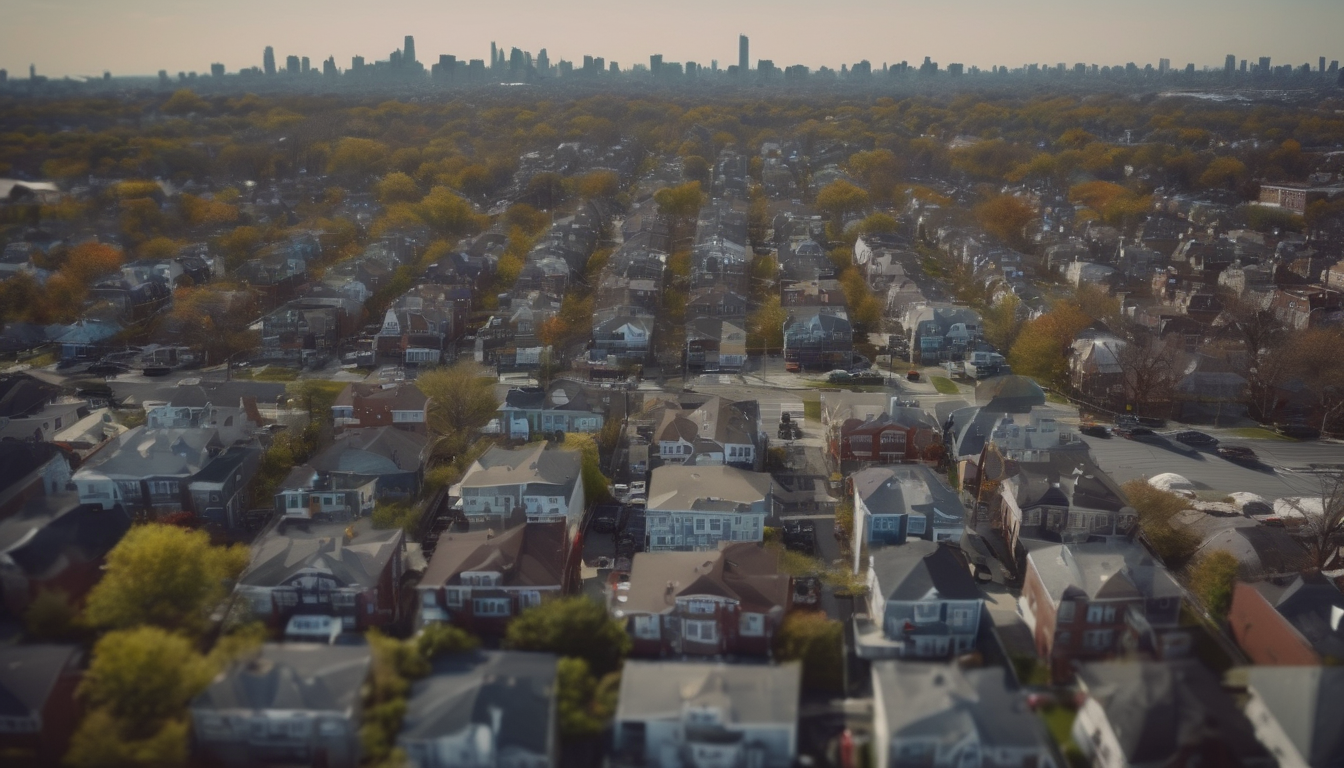
If you’re chasing the heartbeat of Indian community density in Queens, South Ozone Park and Richmond Hill are the borough’s real heavyweights. The primary keyword here—Indian community density—isn’t just demographic jargon. It’s what you see in sari shops near Liberty Avenue, smell in the waft of cumin from 123-08 Liberty Ave (minutes from the Lefferts Blvd A train stop), and hear in Hindi or Punjabi phone chatter on the Q10 bus. Richmond Hill, often dubbed “Little Punjab,” edges out South Ozone Park with a thicker concentration of Indian families, especially along 101st Ave and 123rd St where you’ll find grocery stores that stock everything from fresh okra to incense. In 2024, rents here hover around $2,400 for a two-bedroom, and the Gurdwaras get packed by 9am, especially on weekends.
| Neighbourhood | Closest Subway | Average Rent (2BR, 2024) | Notable Landmarks |
|---|---|---|---|
| South Ozone Park | A at Aqueduct-N Conduit | $2,300 | Trinciti Roti Shop, Sybil’s Bakery |
| Richmond Hill | J at 121st St | $2,400 | Gurdwara Sikh Cultural Society, Apna Bazaar |
Comparison of Indian Community Density by Location and Neighborhood
Let’s get real—when you’re weighing South Ozone Park vs Richmond Hill in Queens: Indian Community Density, the numbers and the vibe tell two very different stories. In 2024, Richmond Hill’s Liberty Avenue corridor (think 121st St station on the A train) is basically Little Guyana meets Little India, with every block humming in Hindi, Punjabi, and Urdu. Here, sari shops and Desi supermarkets outnumber your average bodega, and you’ll find a steaming plate of chole bhature at 1 a.m., just $10 cash only—no MetroCard swipes needed. South Ozone Park, just a few stops down the A, has its own growing Indian scene, but it’s more mosaic than Main Street. The density’s thinner, the grocery shelves less packed with fresh methi and curry leaves on a Tuesday night, but the community roots run deep, especially south of Rockaway Blvd.
| Neighbourhood | Estimated Indian Population (2024) | Key Subway Stops | Iconic Spots |
|---|---|---|---|
| Richmond Hill | ~34,000 | 121 St (A), Lefferts Blvd (A) | Liberty Ave between 123rd & 133rd St |
| South Ozone Park | ~17,000 | Rockaway Blvd (A), 104 St (A) | Rockaway Blvd from 133rd St to Lefferts Blvd |
Factors Influencing Indian Community Density in Queens
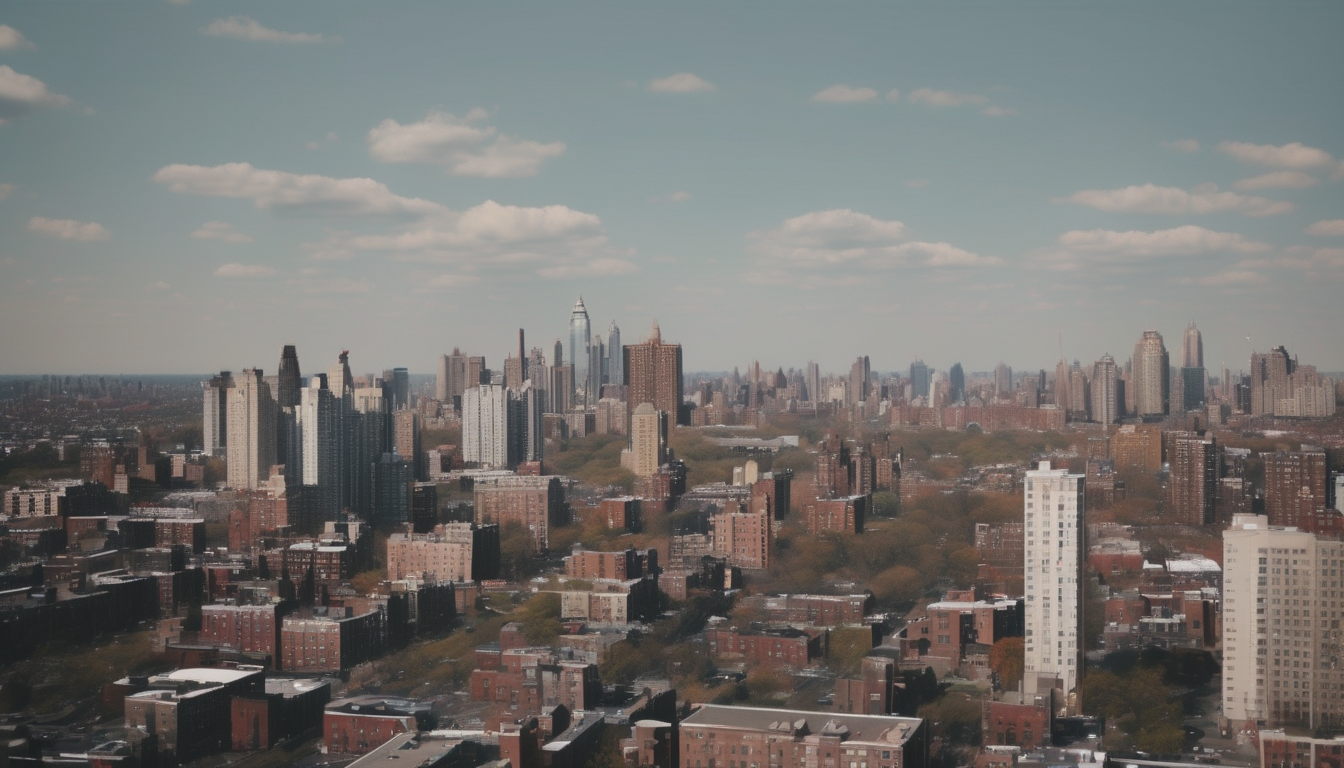
Let’s be real: when it comes to Indian community density in Queens, the South Ozone Park vs Richmond Hill debate is a classic for a reason. You can almost map the migration patterns along the A train and Q10 bus. Richmond Hill’s “Little Punjab” around Liberty Avenue and 123rd Street is iconic, with sari shops, spice markets, and gurdwaras tucked between laundromats and 24-hour bodegas. South Ozone Park, meanwhile, pulls in families craving quieter streets but still needing to be two MetroCard swipes from Jackson Heights or a straight shot to Midtown on the E train.
- Liberty Ave & Lefferts Blvd (Richmond Hill): 10+ Indian groceries within 3 blocks.
- Rockaway Blvd & 125th St (South Ozone Park): 5+ temples within walking distance of the A train.
It’s not just about proximity to a decent dosa joint. School rankings, rental prices (think $2,300/month for a 2BR in 2024), and the churn of new arrivals—thanks to JFK’s international arrivals hall—fuel demographic shifts. The 7 train’s draw to Flushing is real, but Indian families often stick to the southeast for religious centres, tight-knit networks, and essential services (like immigration offices near Jamaica Avenue, open till 7pm on Thursdays). Processing times for paperwork? Expect to budget at least four hours—bring snacks from Patel Brothers, trust me.
| Factor | South Ozone Park | Richmond Hill |
|---|---|---|
| Subway Access | A, E trains (Rockaway Blvd) | A train (Lefferts Blvd), Q10 bus |
| Median Rent (2BR, 2024) | $2,200 | $2,350 |
| Community Centres | Multiple temples, cultural halls | Gurdwaras, Indian markets |
How to Assess Indian Community Presence in South Ozone Park and Richmond Hill
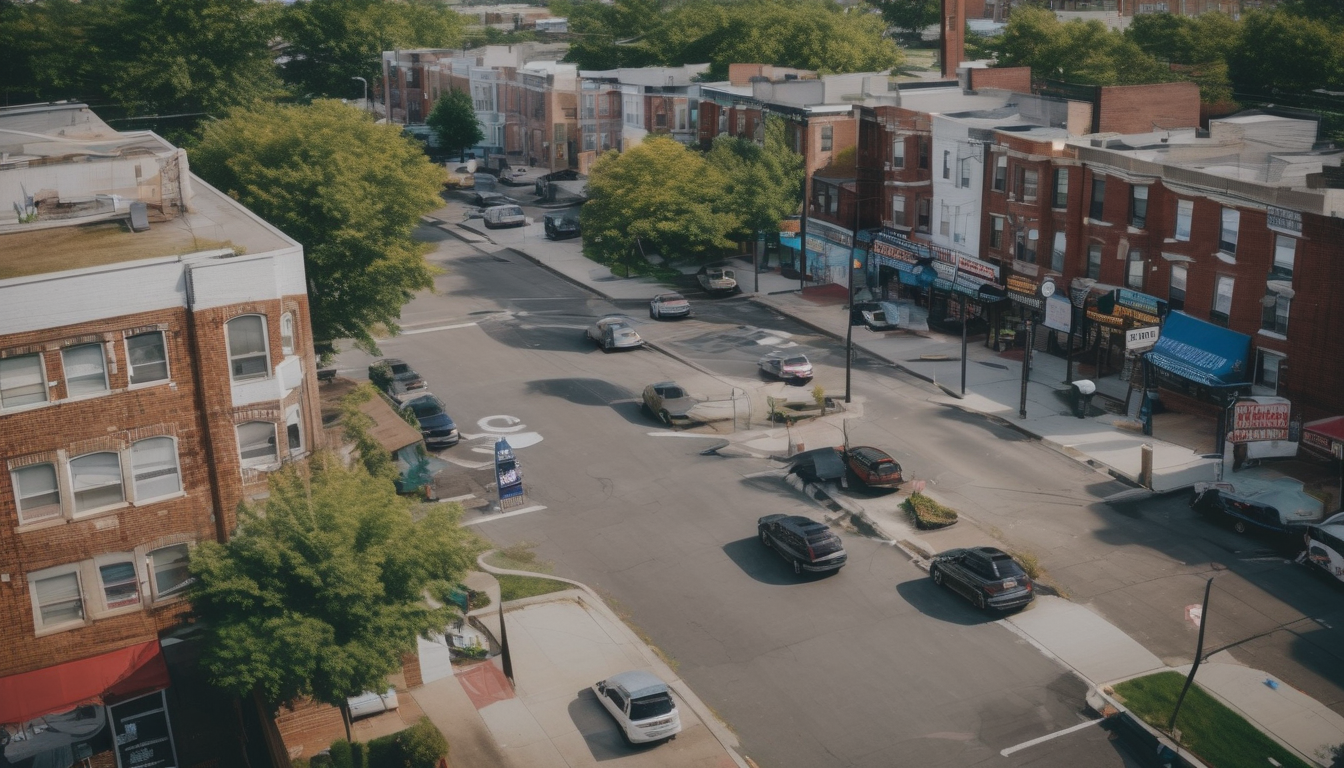
When it comes to Indian community density in South Ozone Park vs Richmond Hill, it’s not just about wandering along Liberty Avenue and counting sari shops. You want real, actionable intel—because in 2024, Queens neighbourhoods can change faster than the E train at Jackson Heights–Roosevelt Avenue. Start by hopping off the A train at Lefferts Blvd or the J at 121st St; both stations will drop you into the heart of these vibrant South Asian corridors. The Indian community in Richmond Hill, especially around 101st Ave and Liberty Ave, pulses with grocery stores, mandirs, and sweet shops, but don’t write off South Ozone Park’s 123rd St block or Rockaway Blvd, either. The MetroCard-toting locals can tell you: density isn’t just population, it’s how many businesses and cultural hubs thrive per block.
- Subway Snapshot: J/Z at Woodhaven Blvd for Richmond Hill; A at Aqueduct–North Conduit for South Ozone Park.
- Hot Spots: Ganesh Temple at 118-12 101st Ave (Richmond Hill); Rajbhog Sweets near Rockaway Blvd (South Ozone Park).
- Current Rents (2024): $2,300/month for a 2BR in Richmond Hill; $2,100/month in South Ozone Park—both within a 45-minute ride to Midtown Manhattan.
- Local Pulse: Weekends see packed queues at Apna Bazaar (Liberty Ave, near 111th St), open 8 AM–9 PM, and you’ll spot families in line for $1 samosas.
But don’t just judge by the number of spice shops. Check out community centres and temples—like the Arya Spiritual Center or Sikh Cultural Society—both magnets for newcomers navigating NYC’s paperwork maze. If you’re hunting for the densest Indian enclave, compare the lines outside Patel Brothers (Richmond Hill) to those at Desi Food Market (South Ozone Park) on a Saturday night. Trust me, nothing says “community density” like a packed MetroPCS store at Liberty Ave and 126th St at 7 PM, everyone arguing about the best WhatsApp plan for calling Surat or Kolkata.
- Ride the J/Z or A train—count cultural ads and flyers posted at stations.
- Visit local temples and gurdwaras: ask about recent festival attendance.
- Stop by community groceries after 5 PM—note crowd size and languages spoken.
- Chat with bodega owners about their regulars and busiest hours.
- Compare weekend event flyers in shop windows on Liberty Ave and 101st Ave.
Practical Tips for Indian Immigrants Choosing Between South Ozone Park and Richmond Hill
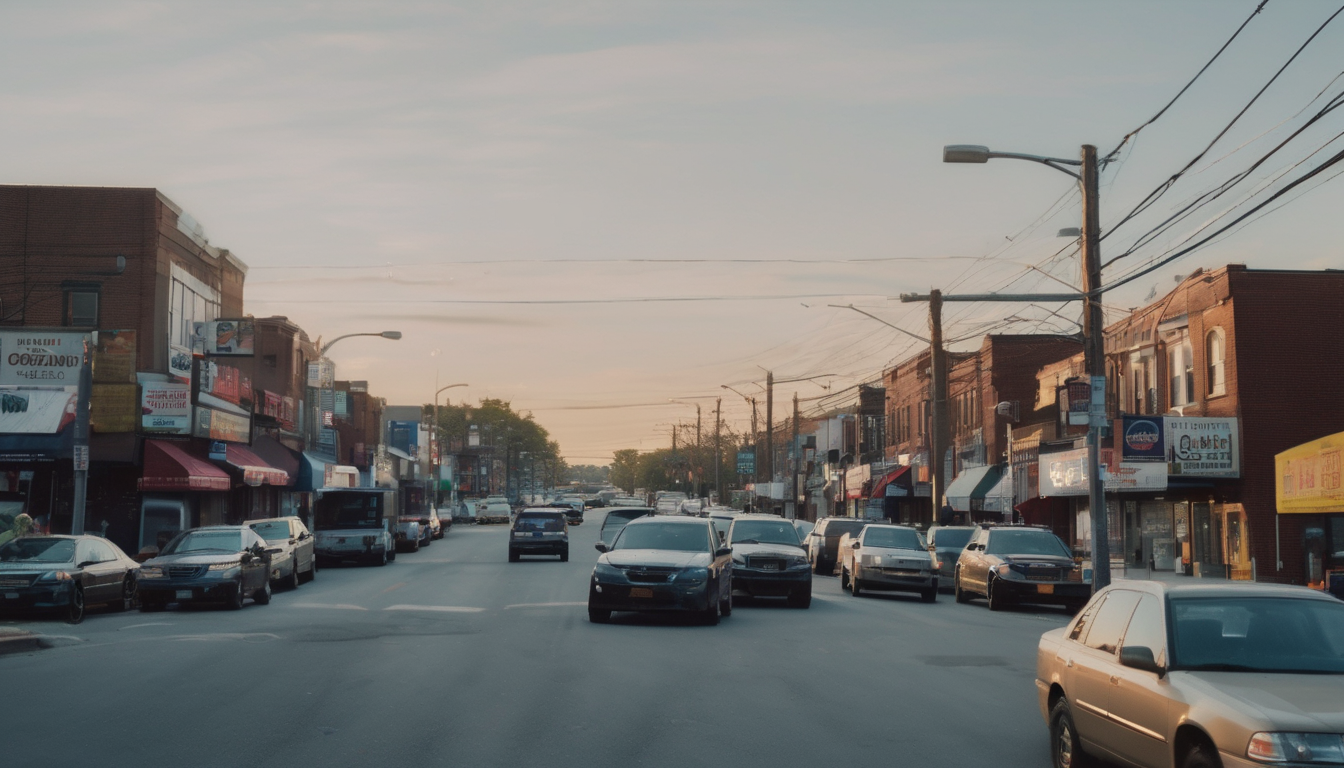
When it comes to Indian community density, both South Ozone Park and Richmond Hill in Queens are heavy hitters, but the devil is in the details. If you’re an Indian immigrant weighing your options in 2024, start by mapping your daily life to local realities. South Ozone Park’s Liberty Avenue corridor pulses with Caribbean-Indian eateries, while Richmond Hill’s “Little Punjab” around 101st Avenue feels like a slice of Delhi. Think about your commute: Richmond Hill’s closest subway options are the J and Z at 121st St—reliable, but a 45-minute run to Midtown Manhattan in peak hours. South Ozone Park is further from the train grid; most rely on the Q10 bus to the A train at Lefferts Blvd or JFK, so factor in those MetroCard swipes and added travel time.
Schools, temples, and that all-important sense of community are strong in both areas, but Richmond Hill edges ahead if you crave walkable access to gurdwaras and masjids—think Sikh Cultural Society at 95-30 118th St (open daily 6am–9pm). South Ozone Park, meanwhile, wins for proximity to JFK jobs and the 24/7 hustle of Rockaway Blvd’s bodegas. Don’t overlook the wait times for DMV paperwork at the Jamaica office (168-35 Rockaway Blvd, open weekdays), or that groceries can run 10–15% higher near JFK. In 2025, both neighbourhoods are seeing new Indian-owned cafés and sari shops, but be ready for rising rents and tighter parking near Liberty Avenue.
- Visit both areas on a weekend—check foot traffic, noise, and see which MetroCard routine feels right.
- Ask local realtors about co-op board processing times (average: 3–6 weeks in 2024).
- Compare school zones—PS 161 (South Ozone Park) or PS 66 (Richmond Hill) are top picks among Indian families.
- Factor in community events: Vaisakhi parades in Richmond Hill, Diwali block parties in South Ozone Park.
You now have a clearer understanding of the Indian community density in South Ozone Park versus Richmond Hill, allowing you to make informed decisions about where to explore or settle within Queens. This knowledge can help you plan visits or find neighbourhoods that best suit your cultural and social preferences, all within a manageable timeframe and budget.
Your first step is to visit local community centres or cultural hubs in either neighbourhood to experience the vibrant Indian presence firsthand. Scheduling a visit during a community event or festival can provide valuable insight into the local atmosphere and resources available.
Have questions or want to share your experiences? We’d love to hear from you. For more tips on navigating Queens’ diverse communities, check our related guide on indonewyork.com.