This article delves into the world of smart home devices, highlighting those that significantly improve convenience, security, and efficiency in modern living spaces. As technology continues to evolve, these innovations can transform your home into a seamlessly connected environment.
1. Smart Speakers
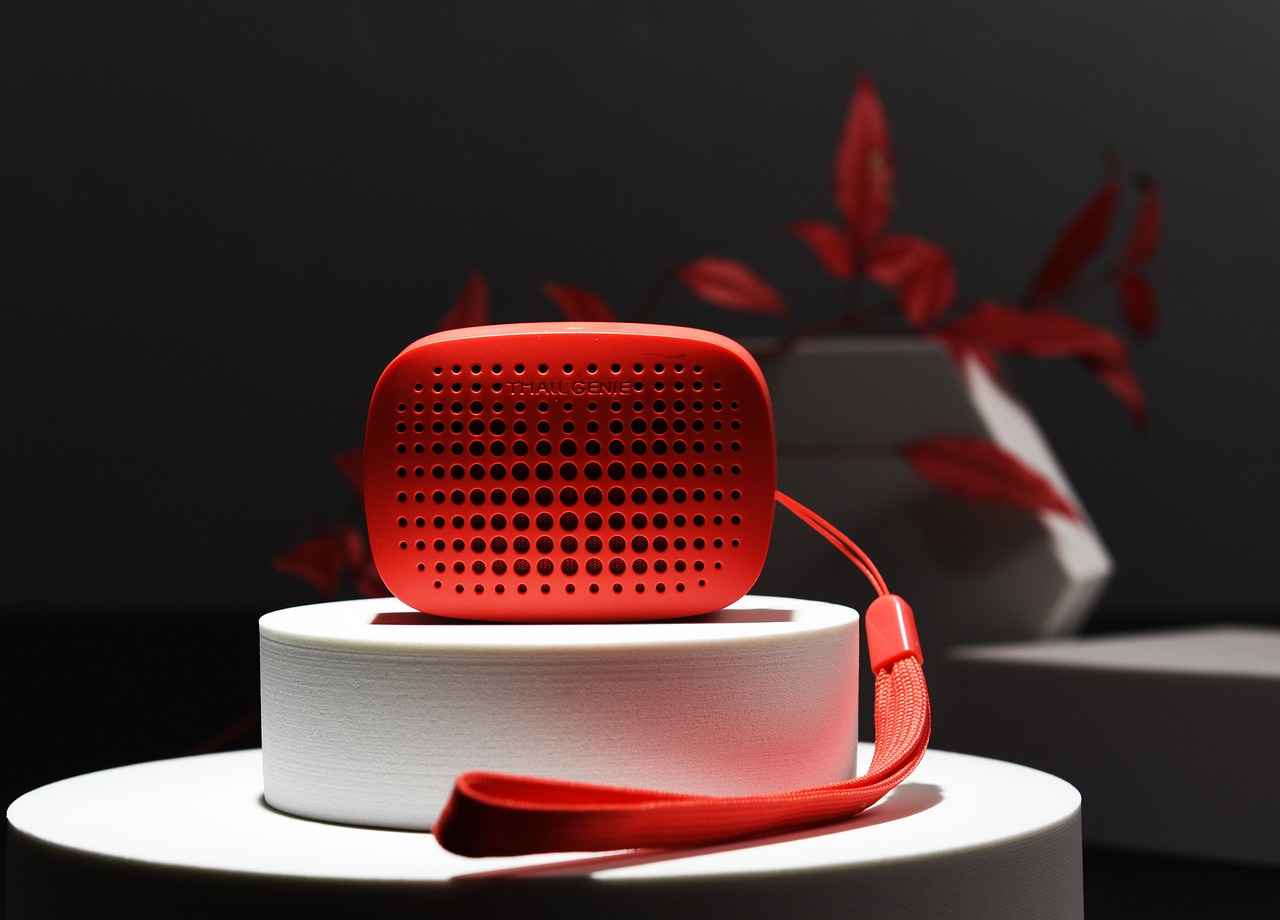
Smart speakers act as the central hub for managing various smart devices. With features like voice commands, music streaming, and real-time information access, they are essential for any tech-savvy home.
2. Smart Thermostats
These devices learn your daily routines and preferences, optimizing energy usage while ensuring comfort. Not only do they save money on energy bills, but they also contribute to a more sustainable lifestyle.
- Benefits: Remote access, energy reports, and geofencing.
- Energy Savings: Adjusting temperatures based on occupancy leads to significant savings.
- Popular Brands: Nest, Ecobee, and Honeywell.
3. Smart Security Cameras
Enhancing home security, smart cameras provide real-time monitoring and alerts, allowing homeowners to keep an eye on their property from anywhere.
- Features: Night vision, motion detection, and two-way audio.
- Top Brands: Ring, Arlo, and Blink.
4. Smart Lighting Solutions
Smart lighting allows users to customize their home ambiance with adjustable brightness and colors, enhancing both convenience and security.
- Advantages: Energy efficiency and enhanced security features.
- Recommended Brands: Philips Hue and LIFX.
5. Smart Plugs
Transform traditional appliances into smart devices with smart plugs, allowing for remote control and scheduling without the need for a complete overhaul.
- How They Work: Connect to Wi-Fi and can be controlled via mobile apps.
- Top Choices: TP-Link and Wemo.
Conclusion
Investing in smart home devices not only enhances your living experience but also contributes to a more efficient and secure home environment. Stay ahead of the curve by incorporating these essential technologies into your daily life.

1. Smart Speakers
Smart Speakers have revolutionized the way we interact with technology in our homes. Acting as the central hub for controlling a multitude of smart devices, these gadgets provide an unparalleled level of convenience and functionality. With just a simple voice command, users can manage everything from lighting and thermostats to security systems, making them an essential tool for any tech-savvy household.
One of the standout features of smart speakers is their ability to stream music effortlessly. Whether you’re hosting a party or enjoying a quiet evening, simply asking your speaker to play your favorite tunes can set the perfect ambiance. Moreover, smart speakers often come equipped with access to various streaming services, allowing you to enjoy a wide range of audio content without the need for additional devices.
In addition to entertainment, smart speakers serve as a valuable source of information. Users can ask questions, get news updates, check the weather, or even set reminders, all through voice commands. This hands-free convenience is particularly beneficial in busy households or for individuals multitasking throughout their day.
Furthermore, smart speakers integrate seamlessly with other smart home devices, enabling users to create customized automation routines. For instance, you can set your speaker to turn on the lights and adjust the thermostat when you arrive home, enhancing both comfort and energy efficiency.
As we move towards a more connected future, the role of smart speakers in our daily lives will continue to expand. They not only simplify our interactions with technology but also pave the way for a more efficient and enjoyable living experience. Investing in a smart speaker is a step towards embracing the smart home revolution.

2. Smart Thermostats
Smart Thermostats have revolutionized the way we manage our home heating and cooling systems. These innovative devices not only enhance comfort but also contribute to significant energy savings. By learning your daily routines and preferences, smart thermostats adjust the temperature automatically, ensuring your home is always at the ideal temperature when you need it.
- Energy Efficiency: Smart thermostats can reduce energy consumption by up to 30% by optimizing heating and cooling schedules based on occupancy and lifestyle patterns.
- Remote Access: With mobile applications, you can control your thermostat from anywhere, allowing you to adjust settings on the go.
- Energy Reports: Many smart thermostats provide detailed reports on energy usage, helping you understand your consumption patterns and identify areas for improvement.
- Geofencing: This feature allows the thermostat to adjust the temperature based on your location, ensuring comfort when you arrive home and energy savings when you leave.
These devices utilize sensors and algorithms to learn your habits over time. For instance, if you usually lower the temperature at night, the thermostat will start doing this automatically. Additionally, they can integrate with other smart home devices, creating a seamless and efficient home environment.
| Brand | Features | Price Range |
|---|---|---|
| Nest | Learning capabilities, remote access, energy reports | $129 – $249 |
| Ecobee | Room sensors, voice control, energy reports | $149 – $249 |
| Honeywell | Smart features, geofencing, compatibility with various systems | $99 – $199 |
Investing in a smart thermostat is a wise choice for homeowners looking to enhance comfort while reducing energy costs. With a variety of options available, you can find a model that fits your needs and lifestyle. As technology continues to advance, smart thermostats will play an increasingly vital role in creating energy-efficient homes.
2.1. Benefits of Smart Thermostats
Smart thermostats have revolutionized the way we manage our home heating and cooling systems. With their advanced features, they not only enhance comfort but also contribute significantly to energy efficiency and cost savings. Below, we explore the various benefits of smart thermostats that make them an essential component of modern smart homes.
- Remote Access: One of the most convenient features of smart thermostats is the ability to control your home’s temperature from anywhere using a smartphone app. Whether you’re at work or on vacation, you can adjust settings to ensure your home is always at the perfect temperature upon your return.
- Energy Reports: Many smart thermostats provide detailed energy usage reports. These reports help homeowners understand their consumption patterns and identify opportunities for further savings. By analyzing this data, users can make informed decisions to optimize their energy use.
- Geofencing: This innovative feature allows the thermostat to automatically adjust the temperature based on your location. When you leave your home, the thermostat can set back the temperature to save energy, and when you return, it can prepare your space for comfort without any manual input.
- Learning Capabilities: Some smart thermostats learn your schedule and preferences over time. They can automatically adjust the temperature based on when you are home or away, ensuring optimal comfort while minimizing energy waste.
- Integration with Other Smart Devices: Smart thermostats can seamlessly integrate with other smart home devices, such as smart speakers and security systems. This interconnectedness allows for enhanced automation, where your thermostat can work in tandem with other devices for a more efficient home environment.
In conclusion, the benefits of smart thermostats extend beyond mere convenience. They play a crucial role in promoting energy efficiency, reducing costs, and enhancing the overall user experience in smart homes. Investing in a smart thermostat is a step towards a more sustainable and comfortable living space.
2.1.1. Energy Savings
In today’s world, where energy conservation is becoming increasingly crucial, smart thermostats play a pivotal role in optimizing energy usage within homes. One of the most significant advantages they offer is the potential for substantial energy savings.
By intelligently adjusting temperatures based on occupancy, smart thermostats ensure that energy is not wasted when no one is home. For instance, if the house is empty during the day, the thermostat can lower the temperature in winter or raise it in summer, conserving energy and reducing costs. This capability is particularly beneficial for those who may forget to adjust their settings manually.
Moreover, many smart thermostats feature learning algorithms that analyze your daily routine. Over time, they adapt to your preferences and automatically adjust the temperature to ensure comfort when you are home while maximizing energy efficiency when you are away. This means that not only do you save on utility bills, but you also contribute to a reduced carbon footprint.
Additionally, the ability to access and control your thermostat remotely via mobile apps adds another layer of convenience. If you realize you forgot to adjust the thermostat before leaving for a trip, you can easily make changes from your smartphone, ensuring that your home remains energy-efficient even when you’re not there.
In summary, the energy savings provided by smart thermostats are significant. By adjusting temperatures based on occupancy and learning user habits, these devices not only make homes more comfortable but also promote a more sustainable lifestyle. Investing in a smart thermostat is not just a financial decision; it’s a step towards a greener future.
2.1.2. Remote Control
Remote Control functionality is one of the most significant advancements in smart home technology, particularly when it comes to smart thermostats. With the integration of mobile applications, users are now empowered to manage their home environments from virtually anywhere. This level of flexibility and convenience marks a substantial shift in how we interact with our living spaces.
Imagine being at work or on vacation and having the ability to adjust your home’s temperature with just a few taps on your smartphone. This feature not only ensures that your home remains comfortable upon your return but also allows for energy savings by adjusting the temperature when no one is home. Smart thermostats, such as those offered by brands like Nest and Ecobee, come equipped with user-friendly apps that provide a range of functionalities:
- Temperature Adjustment: Change the temperature settings remotely to avoid unnecessary energy consumption.
- Scheduling: Set specific times for heating or cooling, optimizing energy use based on your routine.
- Energy Reports: Receive detailed insights on your energy consumption, helping you make informed decisions.
- Geofencing: Automatically adjust settings based on your location, ensuring your home is always at the perfect temperature when you arrive.
Moreover, the remote control feature enhances the overall user experience by allowing for real-time adjustments. For instance, if an unexpected heatwave occurs, you can easily lower the thermostat while away to prevent your home from becoming excessively hot. This capability not only contributes to comfort but also serves to protect your home from potential damages caused by extreme temperatures.
In conclusion, the ability to control your smart thermostat remotely is a game-changer in home automation. It provides users with the peace of mind that comes with knowing they can manage their home environment at their convenience, ultimately promoting energy efficiency and comfort.
2.2. Popular Smart Thermostat Brands
Popular Smart Thermostat Brands
As the demand for energy-efficient home solutions grows, smart thermostats have emerged as a crucial component of modern smart homes. Leading brands in this space offer a variety of models, each equipped with unique features tailored to meet diverse user needs and preferences.
- Nest: Known for its sleek design and user-friendly interface, Nest thermostats learn from your habits to optimize heating and cooling schedules. With features like remote control through a mobile app and energy usage reports, Nest is a popular choice among eco-conscious homeowners.
- Ecobee: This brand stands out with its smart sensors that detect occupancy in different rooms, allowing for a more personalized climate control experience. The Ecobee thermostat also integrates seamlessly with various smart home systems, enhancing overall functionality.
- Honeywell: Offering a range of models from basic to advanced, Honeywell thermostats are versatile and reliable. Their Wi-Fi connectivity and compatibility with smart home ecosystems make them a solid choice for users looking for flexibility and control.
Each of these brands provides unique features that cater to different preferences:
| Brand | Key Features | Ideal For |
|---|---|---|
| Nest | Learning capabilities, energy reports, remote access | Users seeking an intuitive and sleek design |
| Ecobee | Smart sensors, room-specific control, voice integration | Families with varying temperature preferences |
| Honeywell | Multiple model options, Wi-Fi connectivity, user-friendly | Homeowners looking for reliable and adaptable solutions |
In conclusion, when choosing a smart thermostat, consider your specific needs, the features offered by each brand, and how they fit into your smart home ecosystem. With options like Nest, Ecobee, and Honeywell, you can find a thermostat that not only enhances comfort but also contributes to energy savings.

3. Smart Security Cameras
In today’s fast-paced world, ensuring the safety of your home has become more crucial than ever. Smart security cameras play a pivotal role in enhancing home security by providing real-time monitoring and instant alerts. These advanced devices not only offer peace of mind but also empower homeowners to keep an eye on their property from virtually anywhere, thanks to their mobile connectivity.
Modern smart security cameras come equipped with a variety of features that make them indispensable tools for home surveillance:
- High-definition video quality: Most smart cameras offer 1080p or even 4K resolution, ensuring clear images and videos.
- Night vision: This feature allows cameras to capture images in low-light conditions, ensuring 24/7 surveillance.
- Motion detection: Smart cameras can detect movement and send alerts to your smartphone, enabling immediate action if necessary.
- Two-way audio: This allows homeowners to communicate with visitors or deter intruders through the camera’s built-in speaker and microphone.
When choosing a smart security camera, consider the following popular options:
| Brand | Key Features | Price Range |
|---|---|---|
| Ring | HD video, motion alerts, two-way talk | $99 – $249 |
| Arlo | Wireless, night vision, smart alerts | $129 – $499 |
| Blink | Affordable, long battery life, easy setup | $79 – $139 |
In conclusion, investing in smart security cameras is a proactive step toward safeguarding your home. Their advanced features and real-time capabilities not only enhance security but also provide homeowners with invaluable peace of mind. With a plethora of options available, selecting the right camera can significantly elevate your home security strategy.
3.1. Features of Smart Security Cameras
Smart security cameras have revolutionized the way we approach home security. Equipped with cutting-edge technology, these devices offer a plethora of features that enhance surveillance and communication. Here are some key features that make them indispensable for modern households:
- Night Vision: Most smart cameras come with infrared night vision capabilities, allowing them to capture clear footage even in low-light conditions. This feature ensures that homeowners can monitor their property around the clock, providing peace of mind during nighttime hours.
- Motion Detection: Smart cameras utilize advanced motion detection technology to alert homeowners of any unusual activity. When motion is detected, users receive instant notifications on their smartphones, enabling them to respond quickly to potential threats.
- Two-Way Audio: This feature allows homeowners to communicate directly through the camera. Whether it’s greeting a visitor or warning off an intruder, two-way audio enhances interaction and provides an additional layer of security.
- Cloud Storage: Many smart cameras offer cloud storage options, allowing users to save and access recorded footage securely online. This ensures that important video evidence is not lost and can be easily retrieved when needed.
- Integration with Smart Home Systems: Smart security cameras can seamlessly integrate with other smart devices, such as door locks and alarms. This interconnectedness allows for automated responses, like locking doors when suspicious activity is detected.
- High-Definition Video Quality: Modern cameras often provide HD video quality, ensuring that every detail is captured clearly. This is crucial for identifying faces or license plates during an incident.
In conclusion, the combination of these features makes smart security cameras a vital component of any home security system. They not only provide enhanced surveillance but also facilitate communication and integration with other smart devices, creating a comprehensive security solution.
3.2. Best Smart Security Camera Options
When it comes to enhancing your home security, choosing the right smart security camera is crucial. Several brands offer a variety of features tailored to different needs and budgets. Below, we explore some of the most popular options available today, focusing on their unique benefits and functionalities.
- Ring
Known for its user-friendly interface and extensive ecosystem, Ring offers a range of cameras, including doorbell cameras and indoor/outdoor options. Their cameras feature HD video quality, two-way audio, and motion detection, allowing homeowners to monitor their property effectively.
- Arlo
Arlo is celebrated for its high-definition video capabilities and advanced features such as night vision and cloud storage. With options for both wired and wireless setups, Arlo cameras are versatile and can be placed in various locations around the home.
- Blink
Blink offers affordable yet effective security solutions, featuring long battery life and easy installation. Their cameras provide HD video and customizable motion detection alerts, making them a great choice for budget-conscious homeowners.
Each of these brands provides various features and price points to suit different security needs. Whether you prioritize advanced technology, affordability, or ease of use, there is a smart security camera that can meet your requirements. Investing in one of these systems not only enhances your home security but also gives you peace of mind, knowing you can monitor your property from anywhere.
In conclusion, selecting the right smart security camera is essential for effective home protection. With options like Ring, Arlo, and Blink, you can find a solution that fits your specific needs and budget, ensuring that your home remains safe and secure.
4. Smart Lighting Solutions
Smart Lighting Solutions have revolutionized the way we interact with our home environments, offering a blend of convenience, efficiency, and personalized ambiance. These innovative systems allow users to adjust brightness and color to create the perfect atmosphere for any occasion, from a cozy movie night to a vibrant gathering with friends.
One of the standout features of smart lighting is the ability to control lights remotely. Whether you’re at home or away, you can manage your lighting through mobile apps or voice commands, ensuring your home is well-lit when you need it and conserving energy when you don’t. This remote control capability is especially useful for those who travel frequently or want to enhance their home security.
Scheduling is another significant advantage of smart lighting systems. Users can set specific times for lights to turn on or off, mimicking occupancy patterns to deter potential intruders. This feature not only enhances security but also contributes to energy savings by ensuring lights are only used when necessary.
Moreover, smart lighting solutions can be integrated with other smart home devices, creating a seamless ecosystem. For instance, linking your lights with smart thermostats or security cameras can enhance your home’s overall efficiency and safety.
Here are some popular smart lighting brands that lead the market:
- Philips Hue: Known for its wide range of smart bulbs and fixtures that offer extensive customization options.
- LIFX: Offers vibrant colors and impressive brightness without the need for a hub.
- Wyze: Provides affordable smart lighting solutions with essential features.
In conclusion, smart lighting solutions not only enhance the aesthetic appeal of your home but also contribute to energy efficiency and security. As technology continues to evolve, these systems will likely become even more integrated and intelligent, making them a must-have for any modern home.
4.1. Advantages of Smart Lighting
Smart lighting has revolutionized the way we illuminate our homes, offering a myriad of benefits that cater to both practicality and aesthetics. This modern technology not only enhances the ambiance of any space but also contributes significantly to energy efficiency and security.
- Energy Efficiency: One of the most significant advantages of smart lighting is its ability to reduce energy consumption. Smart bulbs can adjust brightness based on the time of day or occupancy, ensuring that lights are only on when needed, which can lead to substantial savings on electricity bills.
- Enhanced Security: Smart lighting systems can be programmed to simulate your presence at home by automatically turning lights on and off. This feature can deter potential intruders, providing peace of mind when you are away.
- Mood Settings: With smart lighting, you can easily create different atmospheres for various occasions. Whether it’s a cozy dinner, a lively party, or a focused work session, you can adjust the color and brightness of your lights to suit your needs.
- Remote Control: Many smart lighting systems can be controlled via smartphone apps, allowing you to manage your home’s lighting from anywhere. This feature is particularly useful for those who want to ensure their home is well-lit before arriving.
- Integration with Other Smart Devices: Smart lighting can seamlessly integrate with other smart home devices, such as security systems and smart speakers. This interconnectedness allows for automation routines, enhancing overall convenience.
In conclusion, the advantages of smart lighting extend beyond mere convenience. By investing in smart lighting solutions, homeowners can enjoy improved energy efficiency, enhanced security, and customizable ambiance. As technology continues to evolve, these systems will become even more integral to creating efficient and secure living spaces.
4.2. Recommended Smart Lighting Brands
Recommended Smart Lighting Brands are essential for anyone looking to enhance their home with modern lighting solutions. These brands not only offer innovative products but also ensure seamless integration with your existing smart home ecosystem. In this section, we will explore some of the top brands available in the market, highlighting their unique features and offerings.
| Brand | Key Features | Product Range |
|---|---|---|
| Philips Hue |
|
|
| LIFX |
|
|
| Wyze |
|
|
These brands are leading the smart lighting market due to their commitment to quality, innovation, and user satisfaction. Philips Hue and LIFX are particularly noted for their extensive product ranges and advanced features, while Wyze provides budget-friendly options without sacrificing quality.
In conclusion, choosing the right smart lighting brand can significantly enhance your home automation experience. Consider factors such as compatibility, features, and budget when making your selection.

5. Smart Plugs
In the world of smart home technology, smart plugs have emerged as a game-changer. These innovative devices allow users to transform their traditional appliances into smart devices, providing a level of control and convenience that was previously unattainable. With the ability to control devices remotely, smart plugs are an affordable solution for enhancing home automation without the need to replace existing products.
5.1. How Smart Plugs Work
Smart plugs connect to your home Wi-Fi network, enabling them to be controlled via mobile applications. Users can easily schedule when devices turn on or off, monitor energy consumption, and even set timers for their appliances. This means you can have your coffee maker start brewing before you even get out of bed or ensure that your lamps are turned off after you’ve left the house.
5.2. Advantages of Using Smart Plugs
- Energy Efficiency: By allowing users to monitor and control their energy consumption, smart plugs can help reduce electricity bills.
- Convenience: The ability to control appliances from anywhere using a smartphone app adds a level of convenience that traditional plugs simply cannot offer.
- Automation: Smart plugs can be integrated into automation routines with other smart devices, enhancing the overall smart home experience.
5.3. Top Smart Plug Choices
When selecting a smart plug, it’s essential to consider compatibility with your smart home ecosystem. Popular options include:
- TP-Link Kasa Smart Plug: Known for its reliability and user-friendly app.
- Wemo Mini Smart Plug: Offers excellent integration with various smart home platforms.
- Amazon Smart Plug: Perfect for users already invested in the Amazon ecosystem.
In conclusion, smart plugs are a simple yet effective way to enhance your home automation experience. They provide flexibility, energy savings, and convenience, making them a must-have for any tech-savvy homeowner.
5.1. How Smart Plugs Work
Smart plugs are innovative devices that transform ordinary appliances into smart devices by connecting them to your home Wi-Fi network. With a smart plug, you can control the power supply to any plugged-in device through a mobile app, providing an array of functionalities that enhance convenience and energy efficiency.
How They Connect
- Smart plugs typically connect to your home Wi-Fi network, allowing for remote control and monitoring via a smartphone application.
- Most smart plugs are compatible with major smart home platforms, such as Amazon Alexa, Google Assistant, and Apple HomeKit.
Key Features
- Remote Control: Users can turn devices on or off from anywhere, ensuring that appliances are not left running unnecessarily.
- Scheduling: Smart plugs allow users to set schedules for when devices should be powered on or off, which can help in energy conservation.
- Energy Monitoring: Many smart plugs provide insights into energy usage, helping users identify which devices consume the most power.
Benefits of Using Smart Plugs
- They offer a cost-effective way to automate home appliances without the need to purchase new smart devices.
- Smart plugs enhance home security by allowing users to simulate presence by scheduling lights or other devices to turn on and off.
- They contribute to energy savings by allowing users to monitor and manage their energy consumption effectively.
In conclusion, smart plugs are a versatile addition to any smart home setup. Their ability to connect to Wi-Fi and be controlled via mobile apps allows users to set schedules, timers, and monitor energy usage for connected devices, making them an essential tool for modern living.
5.2. Top Smart Plug Choices
Smart plugs are an essential addition to any smart home setup, providing an effortless way to control traditional appliances remotely. Among the myriad of options available, two brands stand out for their reliability and performance: TP-Link and Wemo.
| Brand | Features | Compatibility | Price Range |
|---|---|---|---|
| TP-Link |
| Amazon Alexa, Google Assistant, IFTTT | $15 – $30 |
| Wemo |
| Amazon Alexa, Google Assistant, Apple HomeKit | $20 – $35 |
Both TP-Link and Wemo offer excellent compatibility with various smart home ecosystems, making them versatile choices for users looking to enhance their home automation experience. Additionally, these smart plugs are designed to be user-friendly, allowing for quick installation and setup.
When selecting a smart plug, consider factors such as energy monitoring, voice control, and automation capabilities. These features not only provide convenience but also contribute to energy efficiency by allowing users to track and manage their power consumption effectively.
In conclusion, investing in smart plugs from reputable brands like TP-Link and Wemo is a wise decision for anyone looking to upgrade their home automation setup. With their reliable performance and extensive compatibility, these smart plugs can significantly enhance the functionality of your existing devices.
6. Smart Door Locks
In today’s fast-paced world, smart door locks have become an essential component of modern home security systems. These innovative devices not only provide enhanced safety but also offer unparalleled convenience for homeowners. With features such as keyless entry and remote locking/unlocking, smart door locks are transforming the way we think about home access.
- Keyless Entry: Say goodbye to fumbling for keys! Smart door locks allow you to enter your home with a simple code or via a mobile app, eliminating the risk of losing your keys.
- Remote Access: Whether you’re at work or on vacation, you can lock or unlock your door from anywhere using your smartphone, providing peace of mind.
- Temporary Access Codes: Need to let a friend or service provider in while you’re away? Many smart locks allow you to create temporary access codes that expire after a set time.
- Activity Logs: Keep track of who enters and exits your home with detailed logs that can be accessed through your smartphone.
- Integration with Smart Home Systems: Smart door locks can seamlessly integrate with other smart home devices, allowing for automation and enhanced security.
When considering a smart door lock, it’s important to choose a reliable brand that meets your security needs. Some of the leading brands in the market include:
- August: Known for its easy installation and compatibility with existing deadbolts.
- Schlage: Offers a range of smart locks with robust security features and user-friendly designs.
- Yale: Renowned for its high-quality locks that combine traditional security with modern technology.
In conclusion, smart door locks represent a significant advancement in home security technology. By providing keyless entry, remote access, and integration with smart home systems, they not only enhance security but also offer homeowners the convenience they desire. Investing in a smart door lock is a step towards a safer, more connected home.
6.1. Key Features of Smart Door Locks
Smart door locks have revolutionized the way we secure our homes, offering a blend of convenience and advanced technology. These locks not only provide enhanced security but also integrate seamlessly with other smart home devices, making them a must-have for any tech-savvy homeowner.
One of the standout features of smart door locks is the ability to create temporary access codes. This means that homeowners can grant access to guests, service providers, or family members without needing to hand over a physical key. These codes can be set to expire after a certain period, ensuring that access is both flexible and secure.
Additionally, smart door locks come equipped with activity logs. This feature allows homeowners to monitor who enters and exits their home, providing peace of mind and an added layer of security. Users can check the logs via a mobile app, which can be particularly useful for tracking visitors or ensuring that children arrive home safely.
Integration with smart home systems is another critical feature of modern smart door locks. These locks can be connected to other devices, such as smart cameras or security systems, allowing for a comprehensive security setup. For instance, when the door is locked or unlocked, users can receive notifications on their smartphones, enhancing their ability to monitor their home remotely.
Furthermore, many smart locks offer the convenience of remote locking and unlocking, which is particularly beneficial in situations where homeowners may forget to lock the door or need to grant access while away from home. This feature can be easily managed through a smartphone app, making it simple to control your home’s security from anywhere.
In summary, smart door locks provide a range of features that enhance security, convenience, and integration with smart home systems. With temporary access codes, activity logs, and remote control capabilities, these locks are a significant upgrade from traditional locking mechanisms, offering peace of mind and flexibility for modern living.
6.2. Leading Smart Lock Brands
In today’s digital age, smart locks have become an essential component of home security systems. They offer convenience, enhanced security features, and the ability to manage access remotely. Among the myriad of options available, several brands stand out due to their innovative technology and user-friendly features.
- August: Renowned for its sleek design and easy installation, August smart locks allow users to retrofit their existing deadbolts. This brand offers features such as auto-unlock, which detects your presence and unlocks the door automatically. Additionally, August’s integration with various smart home systems makes it a popular choice among tech enthusiasts.
- Schlage: With a reputation for durability and security, Schlage smart locks come equipped with advanced encryption technology. Their keypad entry allows for keyless access, and users can create temporary codes for guests. Schlage products are designed to withstand the elements, making them ideal for outdoor use.
- Yale: Yale offers a wide range of smart locks that can be integrated with existing home security systems. Their locks feature Z-Wave technology, enabling seamless communication with other smart devices. Yale also provides options with traditional keyholes, catering to users who prefer a hybrid approach.
Each of these brands addresses different security needs and preferences, ensuring that homeowners can find a smart lock that fits their lifestyle. Whether you prioritize advanced features, ease of installation, or robust security, there is a smart lock solution available to enhance your home’s safety.
In conclusion, when choosing a smart lock, consider factors such as compatibility with your existing systems, ease of use, and the specific features that meet your security requirements. Brands like August, Schlage, and Yale continue to lead the market, providing innovative solutions that cater to a variety of consumer needs.

7. Smart Home Hubs
Smart home hubs are essential components of a modern connected home, acting as the central control unit for all your smart devices. These hubs facilitate seamless communication between various gadgets, ensuring that everything works in harmony. By integrating devices from different manufacturers, smart home hubs simplify management and enhance the overall user experience.
One of the main advantages of using a smart hub is the ability to centralize control. Instead of managing each device through its individual app, users can operate everything from a single interface. This not only saves time but also reduces the complexity often associated with managing multiple smart devices. For instance, you can create automated routines that trigger several actions with a single command, such as turning off the lights and locking the doors when you leave the house.
Moreover, smart home hubs often support various communication protocols, such as Zigbee, Z-Wave, and Wi-Fi, allowing them to connect with a wide range of devices. This compatibility ensures that you can expand your smart home ecosystem without worrying about device limitations. Popular hubs like Samsung SmartThings and Amazon Echo Plus exemplify this versatility, providing robust support for numerous smart devices.
In addition to convenience, smart home hubs can enhance security. Many hubs come equipped with features like real-time alerts and remote monitoring, allowing homeowners to keep an eye on their properties from anywhere. This level of control not only provides peace of mind but also enables proactive responses to security threats.
As the technology continues to evolve, smart home hubs are becoming increasingly sophisticated, incorporating AI and machine learning to learn user preferences and optimize automation. This advancement promises to make smart homes even more intuitive and responsive to individual needs.
In conclusion, investing in a smart home hub is a significant step towards creating a fully integrated smart home environment. With their ability to streamline device management, enhance security, and support a wide range of devices, smart hubs are undoubtedly a must-have for any tech enthusiast looking to elevate their living space.
7.1. Benefits of Using a Smart Hub
A smart hub is an essential component of any modern smart home, acting as the central command center for all connected devices. By integrating various smart products into one cohesive system, a smart hub significantly enhances the overall user experience. Below are some of the key benefits of utilizing a smart hub in your home:
- Streamlined Device Management: A smart hub allows you to control multiple devices from a single interface, reducing the hassle of managing each device separately. This centralization simplifies everyday tasks and enhances user convenience.
- Automation Routines: Smart hubs support automation routines that can trigger specific actions based on your preferences or schedules. For example, you can set your lights to turn on at sunset or have your thermostat adjust when you leave home, creating a seamless living environment.
- Enhanced Compatibility: One of the most significant advantages of a smart hub is its ability to ensure compatibility among various smart home products. This includes devices from different brands and ecosystems, allowing for a more integrated and functional smart home experience.
- Improved Security: Many smart hubs come with advanced security features that help protect your home network from unauthorized access. They can also send alerts if unusual activity is detected, providing an extra layer of safety.
- Voice Control Integration: Smart hubs often support voice assistants like Amazon Alexa or Google Assistant, enabling hands-free control of your smart devices. This feature enhances accessibility and convenience, making it easier to manage your home.
- Energy Efficiency: By automating devices and optimizing their usage, smart hubs can help reduce energy consumption. This not only lowers utility bills but also contributes to a more sustainable home environment.
In summary, investing in a smart hub can transform your living space into a well-coordinated and efficient smart home, making it a worthwhile addition for any tech enthusiast.
7.2. Popular Smart Home Hubs
Popular Smart Home Hubs play a crucial role in enhancing the functionality of smart homes. These hubs act as the central command center for various smart devices, allowing seamless communication and control. With the increasing number of smart devices available, having a reliable hub is essential for optimizing home automation.
Among the most renowned smart home hubs are Samsung SmartThings and Amazon Echo Plus. Both of these platforms offer extensive compatibility with a wide array of devices, ensuring that users can integrate different brands and functionalities into one cohesive system.
Samsung SmartThings stands out for its versatility. It supports a multitude of devices, including lights, locks, cameras, and thermostats. The SmartThings app provides an intuitive interface for users to manage their devices, set automation routines, and receive notifications. This hub is particularly favored for its ability to work with both Zigbee and Z-Wave devices, making it a flexible choice for diverse smart home setups.
On the other hand, the Amazon Echo Plus combines the capabilities of a smart speaker with a built-in smart hub. It not only allows users to control their smart devices through voice commands but also acts as a Zigbee hub, connecting directly with compatible devices without the need for additional hubs. This integration simplifies the user experience and enhances the overall functionality of the smart home ecosystem.
When choosing a smart home hub, consider factors such as compatibility, ease of use, and the range of devices you plan to integrate. Both Samsung SmartThings and Amazon Echo Plus offer robust support and features, making them excellent choices for anyone looking to enhance their home automation experience.
In conclusion, investing in a reliable smart home hub like Samsung SmartThings or Amazon Echo Plus is essential for maximizing the potential of your smart home. These hubs not only streamline device management but also enhance the overall convenience and efficiency of your connected living space.
8. Smart Appliances
Smart Appliances: Revolutionizing Everyday Living
In today’s fast-paced world, smart appliances are becoming essential tools that enhance our daily lives. These innovative devices, including refrigerators, ovens, and washing machines, are designed to provide convenience and efficiency through advanced technology. With features like remote monitoring and control, smart appliances allow homeowners to manage their tasks seamlessly, even when they are away from home.
8.1. Key Features of Smart Appliances
- Remote Control: Many smart appliances can be controlled via smartphone apps, enabling users to adjust settings from anywhere.
- Energy Efficiency: Smart appliances often come with energy-saving modes that help reduce electricity bills while minimizing environmental impact.
- Alerts and Notifications: Users receive alerts for maintenance needs, such as when a refrigerator door is left open or when a washing machine cycle is complete.
- Integration with Smart Home Systems: These appliances can be integrated with other smart home devices, allowing for automation and enhanced functionality.
8.2. Leading Smart Appliance Brands
Several brands are at the forefront of the smart appliance market, offering a wide range of products that cater to modern lifestyles:
- LG: Known for its innovative technology, LG offers smart refrigerators and ovens that come with features like touch screens and recipe suggestions.
- Samsung: With its SmartThings ecosystem, Samsung provides appliances that can be controlled and monitored remotely, enhancing user experience.
- Whirlpool: Whirlpool’s smart appliances focus on user-friendly designs and energy efficiency, making them popular among homeowners.
In conclusion, smart appliances are not just a trend; they are a significant step towards a more connected and efficient home. As technology continues to evolve, these devices will play an even more integral role in simplifying our daily routines and enhancing our quality of life.
8.1. Features of Smart Appliances
Smart appliances have revolutionized the way we manage our homes, offering a blend of convenience, efficiency, and advanced technology. These devices not only simplify daily tasks but also promote energy conservation and enhance overall home functionality.
- Energy-Efficient Settings: Many smart appliances come equipped with energy-saving modes that automatically adjust performance based on usage patterns. This feature helps in reducing electricity consumption, which can lead to significant savings on utility bills.
- Maintenance Alerts: Smart appliances often include built-in sensors that monitor their performance. They can send notifications to your smartphone when maintenance is required, ensuring that your appliances remain in optimal condition and reducing the risk of unexpected breakdowns.
- Integration with Smart Home Systems: These appliances can seamlessly connect with other smart devices in your home, such as thermostats, lights, and security systems. This integration allows for enhanced automation, enabling users to control multiple devices from a single platform.
- Remote Monitoring and Control: With mobile apps, homeowners can monitor and control their appliances from anywhere. Whether it’s preheating the oven while on the way home or checking the refrigerator’s contents, this feature adds a layer of convenience to daily routines.
- Voice Activation: Many smart appliances are compatible with voice assistants like Amazon Alexa or Google Assistant, allowing users to control them hands-free. This feature enhances accessibility, especially for individuals with mobility challenges.
Brands like LG, Samsung, and Whirlpool are at the forefront of smart appliance innovation. They offer a wide range of products, from smart refrigerators that track food inventory to ovens that can be programmed remotely.
Incorporating smart appliances into your home not only enhances convenience but also promotes energy efficiency and seamless integration within your smart home ecosystem. With their advanced features, these appliances are a worthwhile investment for modern households looking to simplify their daily tasks.
8.2. Notable Smart Appliance Brands
Notable Smart Appliance Brands are at the forefront of innovation, revolutionizing the way we interact with everyday household items. Companies like LG, Samsung, and Whirlpool are leading the charge, offering a range of smart appliances that cater to the demands of modern lifestyles.
These brands have integrated advanced technology into their products, allowing users to enjoy enhanced convenience, efficiency, and energy savings. For instance, smart refrigerators can help manage grocery lists and monitor food freshness, while smart ovens allow for remote cooking control via mobile apps.
- LG: Known for its innovative features, LG’s smart appliances often include voice activation and AI-driven insights, making them user-friendly and efficient.
- Samsung: With a focus on connectivity, Samsung appliances can integrate with other smart home systems, offering seamless control and automation.
- Whirlpool: Whirlpool emphasizes energy efficiency and sustainability, providing smart appliances that help reduce utility costs while maintaining top performance.
As consumers increasingly prioritize smart technology in their homes, these brands are continuously evolving their offerings. They are not only enhancing the functionality of appliances but also ensuring they align with the growing trend of eco-conscious living.
In conclusion, investing in smart appliances from reputable brands like LG, Samsung, and Whirlpool can significantly improve your home experience. These products not only simplify daily tasks but also contribute to a more efficient and connected lifestyle.
9. Smart Home Sensors
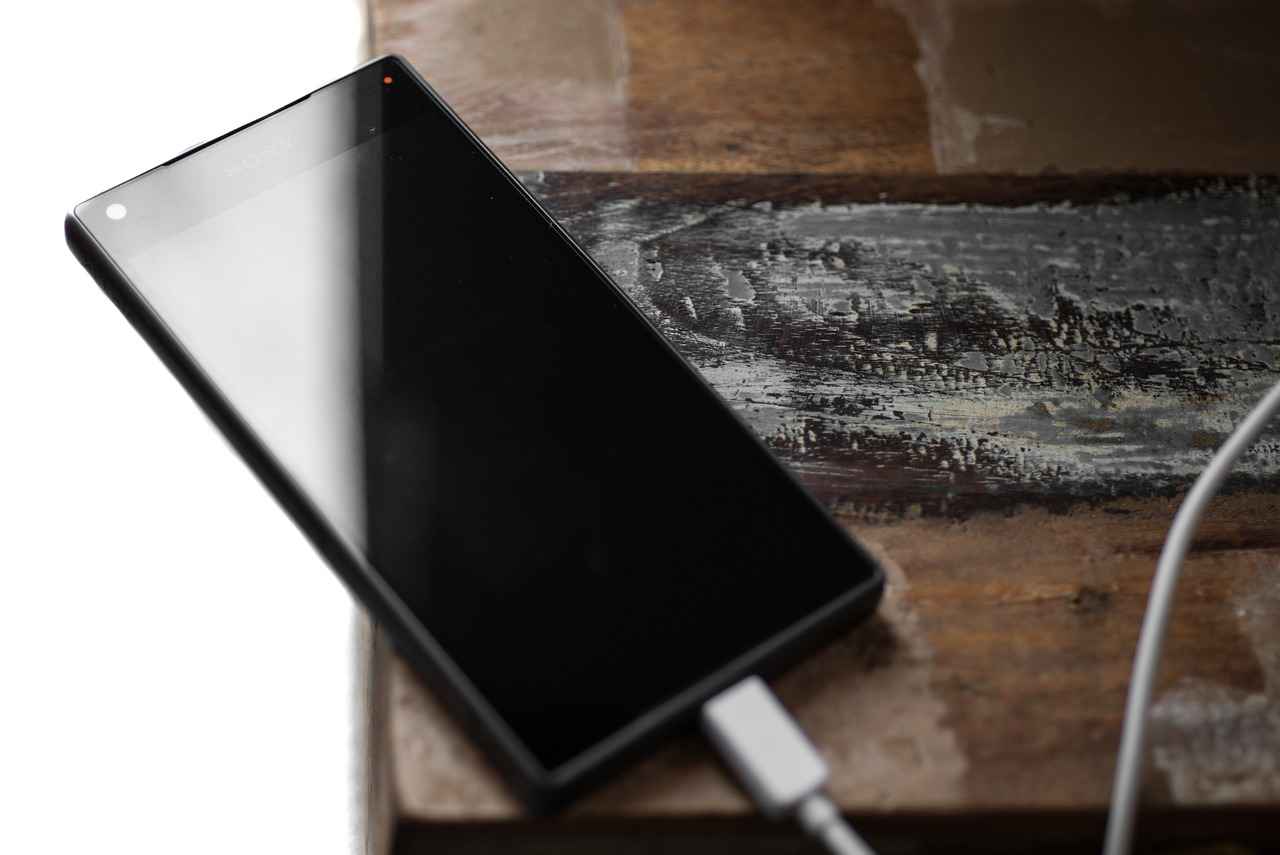
Smart Home Sensors play a crucial role in modern home automation, enhancing both security and convenience. These sensors, which include motion, door/window, and environmental sensors, provide homeowners with real-time data and alerts that help them stay informed about their living environment.
Smart home sensors are designed to monitor specific conditions and activities within your home. They communicate with other smart devices, creating a cohesive system that enhances your home’s functionality. Here are the main types of smart sensors:
- Motion Sensors: Detect movement within a designated area, triggering alerts or actions such as turning on lights or notifying homeowners of potential intruders.
- Door/Window Sensors: Monitor the status of doors and windows, alerting homeowners when they are opened or closed, thus enhancing security.
- Environmental Sensors: Measure factors such as temperature, humidity, and air quality, helping to maintain a comfortable and safe living environment.
Integrating smart sensors into your home offers numerous advantages:
- Enhanced Security: Real-time alerts from motion and door/window sensors can deter potential intruders and allow for quick responses.
- Energy Efficiency: Environmental sensors can help optimize heating and cooling systems, reducing energy consumption and costs.
- Convenience: Automation features allow homeowners to set schedules and routines, making daily life easier and more efficient.
Several brands are leading the market with reliable smart home sensors. Some of the top choices include:
- Aqara: Known for its versatile and affordable smart sensors.
- Philips: Offers high-quality environmental sensors that integrate seamlessly with other smart home devices.
- Ring: Famous for its security-focused products, including door/window sensors.
Smart home sensors are essential for anyone looking to enhance their home automation experience. By providing real-time data and alerts, these devices not only improve security but also contribute to energy efficiency and convenience. Investing in quality smart sensors can transform your living space into a truly connected home.
9.1. Types of Smart Sensors
Smart sensors are integral components of modern smart home systems, enhancing both security and automation. These devices provide real-time data, enabling homeowners to monitor their environments and respond swiftly to potential issues. Here, we explore various types of smart sensors and their functionalities:
- Motion Sensors: These sensors detect movement within a specified area, making them ideal for security applications. They can trigger alarms or send notifications when unexpected motion is detected, helping to protect your home.
- Temperature Sensors: Used to monitor indoor and outdoor temperatures, these sensors help maintain a comfortable living environment. They can be integrated with smart thermostats to optimize heating and cooling systems.
- Humidity Sensors: These sensors measure moisture levels in the air, which is essential for preventing mold growth and maintaining air quality. They are particularly useful in areas like basements or bathrooms.
- Door/Window Sensors: Typically used for security purposes, these sensors alert homeowners when doors or windows are opened or closed. They can be paired with security systems for enhanced protection.
- Smoke and Carbon Monoxide Detectors: Smart detectors can send alerts to your smartphone if smoke or carbon monoxide is detected, providing critical information that can save lives.
- Water Leak Sensors: These devices detect the presence of water where it shouldn’t be, alerting homeowners to potential leaks or flooding, which can prevent costly damage.
By integrating these smart sensors into your home, you can significantly enhance safety, efficiency, and convenience. Each type of sensor serves a unique purpose, contributing to a more connected and responsive living environment.
Conclusion: Understanding the different types of smart sensors available is crucial for optimizing your smart home setup. Whether it’s for security, comfort, or monitoring, these sensors play a vital role in creating a seamless and automated living experience.
9.2. Best Smart Sensor Options
In the rapidly evolving world of smart home technology, smart sensors play a crucial role in enhancing security, comfort, and energy efficiency. Among the myriad of options available, two brands stand out for their reliability and seamless integration with existing smart home systems: Aqara and Philips.
| Brand | Key Features | Integration |
|---|---|---|
| Aqara | Motion detection, temperature and humidity sensing, door/window sensors | Works with Apple HomeKit, Google Assistant, and Amazon Alexa |
| Philips | Light control, energy monitoring, customizable settings | Compatible with various smart home platforms including Zigbee and Wi-Fi |
Aqara offers a range of sensors that are not only effective but also user-friendly. Their devices, such as the motion sensor and door/window sensor, provide real-time alerts and can be easily integrated into existing smart home setups. The versatility of Aqara products allows for extensive customization, catering to individual user needs and preferences.
On the other hand, Philips has established itself as a leader in smart lighting solutions with its Hue line. The sensors from Philips not only manage lighting but also monitor energy usage, making them a dual-purpose solution for homeowners looking to enhance both convenience and efficiency.
Ultimately, the choice between Aqara and Philips depends on your specific requirements. If you’re looking for comprehensive environmental monitoring, Aqara may be the better choice. However, if you want to focus on smart lighting and energy management, Philips is an excellent option. Both brands offer reliable products that can significantly enhance your smart home experience.
10. Smart TVs and Entertainment Systems
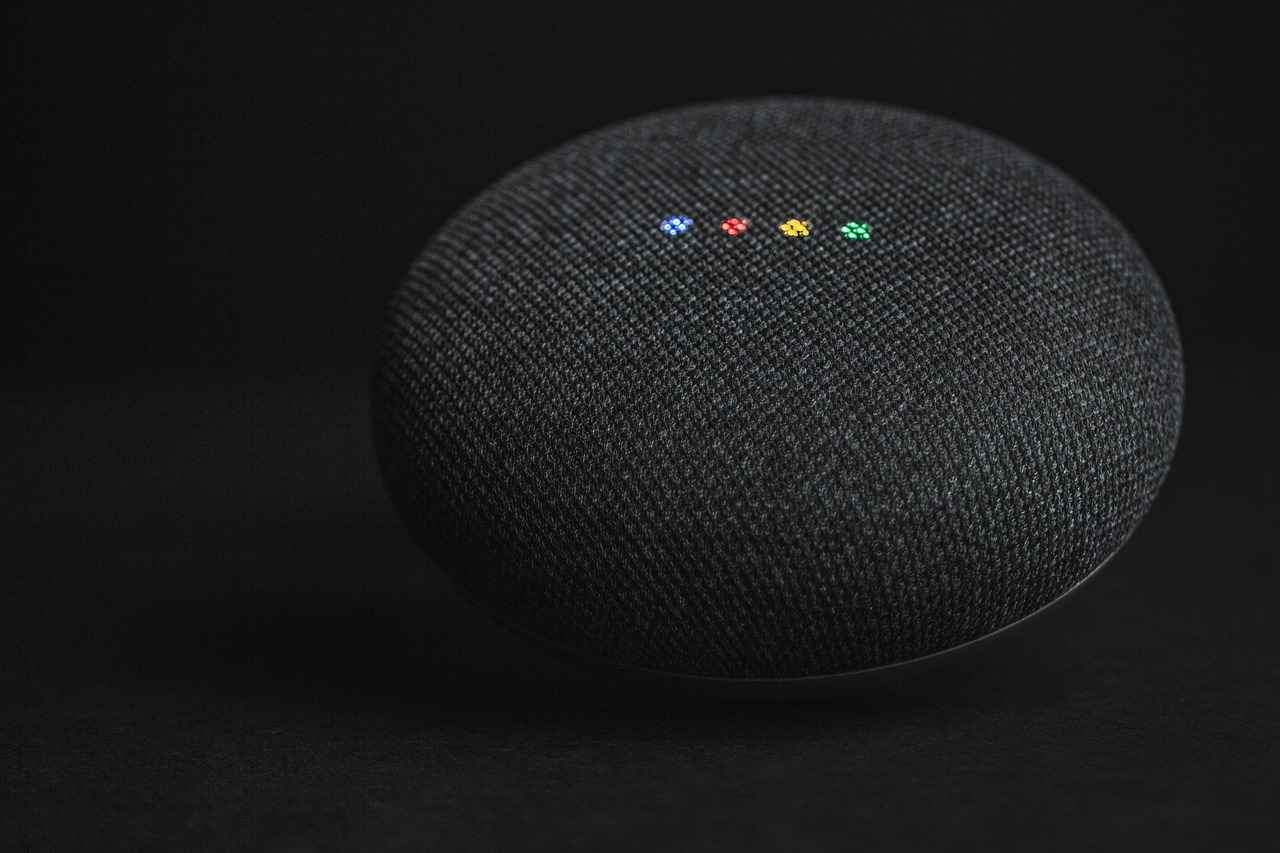
In today’s digital age, smart TVs and entertainment systems have transformed the way we consume media. They not only provide seamless access to various streaming services but also integrate with smart home devices, enhancing the overall home entertainment experience.
10.1. Features of Smart TVs
- Built-in Apps: Smart TVs come pre-loaded with popular streaming apps like Netflix, Hulu, and Amazon Prime Video, allowing users to watch their favorite shows and movies without needing additional devices.
- Voice Control: Many smart TVs support voice assistants such as Alexa or Google Assistant, enabling users to control their TV with simple voice commands.
- Smart Home Integration: These TVs can connect with other smart home devices, allowing users to control lighting, security cameras, and more directly from their TV interface.
10.2. Leading Smart TV Brands
Popular brands like Sony, Samsung, and LG offer a range of smart TVs equipped with cutting-edge technology, catering to diverse viewing preferences. Each brand provides unique features, such as OLED displays for stunning visuals or advanced sound systems for an immersive experience.
10.3. Enhancing Your Home Entertainment Experience
To fully leverage the capabilities of smart TVs, consider integrating them into a comprehensive entertainment system. This can include:
- Soundbars: Enhancing audio quality for a cinematic experience.
- Streaming Devices: Devices like Roku or Apple TV can expand your streaming options.
- Smart Remotes: Universal remotes can simplify control over multiple devices.
10.4. Conclusion
Smart TVs and entertainment systems are essential components of modern home entertainment. Their ability to connect with various streaming services and smart home technologies not only enhances viewing pleasure but also contributes to a more integrated lifestyle. As technology continues to evolve, investing in a smart TV can significantly elevate your home entertainment experience.
10.1. Features of Smart TVs
Smart TVs have revolutionized the way we consume entertainment, serving as a pivotal point in modern home technology. With their advanced features, these devices not only provide access to a myriad of streaming services but also integrate seamlessly with other smart home devices, creating a cohesive and interactive living environment.
One of the most notable features of Smart TVs is their built-in apps. These applications allow users to stream content from popular services like Netflix, Hulu, and Amazon Prime Video directly without the need for additional hardware. This convenience eliminates clutter and enhances the viewing experience.
Another key aspect is the voice control functionality. Many Smart TVs come equipped with voice assistants like Google Assistant or Amazon Alexa, enabling users to control their TV using simple voice commands. This feature not only improves accessibility but also allows for hands-free operation, making it easier to switch between channels or adjust the volume.
Moreover, Smart TVs are designed to be compatible with various smart home devices. This integration means that users can control their lighting, thermostat, and even security cameras directly from their TV. For instance, with a few clicks, you can dim the lights for a movie night or check your security feed without leaving the couch.
Additionally, many Smart TVs support screen mirroring and casting options, allowing users to display content from their smartphones or tablets directly on the TV screen. This feature is particularly useful for sharing photos, videos, or presentations during gatherings.
In conclusion, Smart TVs are more than just televisions; they are comprehensive entertainment systems that enhance our viewing experience through built-in apps, voice control, and smart home compatibility. As technology continues to evolve, these devices will undoubtedly become even more integral to our daily lives.
10.2. Leading Smart TV Brands
In today’s digital age, smart TVs have become a staple in modern households, revolutionizing the way we consume entertainment. Major brands like Sony, Samsung, and LG lead the market by offering a diverse range of smart TVs equipped with cutting-edge features tailored to meet various viewing preferences.
- Sony: Known for its stunning picture quality and innovative technologies, Sony’s smart TVs often incorporate OLED displays, providing vibrant colors and deep blacks. Their Bravia engine enhances image clarity, making it a favorite among movie enthusiasts.
- Samsung: A pioneer in the smart TV sector, Samsung offers a wide array of models featuring QLED technology. Their Tizen operating system provides seamless access to popular streaming services, while features like Ambient Mode allow the TV to blend into home decor.
- LG: Renowned for its impressive OLED technology, LG smart TVs deliver exceptional color accuracy and contrast. The webOS platform offers an intuitive user interface, making navigation easy for users of all ages.
These brands not only provide high-quality displays but also integrate smart features such as voice control, app compatibility, and home automation connectivity. This integration allows users to control their smart home devices directly from their TVs, enhancing the viewing experience.
When choosing a smart TV, consider factors like screen size, resolution (4K or 8K), and specific features that cater to your entertainment needs. Whether you are a casual viewer or a dedicated gamer, there is a smart TV model suited for everyone.
In conclusion, brands like Sony, Samsung, and LG continue to innovate, ensuring that consumers have access to the latest technology and features in the smart TV market. Investing in a smart TV from these reputable brands not only enhances your viewing experience but also integrates seamlessly into the modern smart home ecosystem.
11. Smart Irrigation Systems
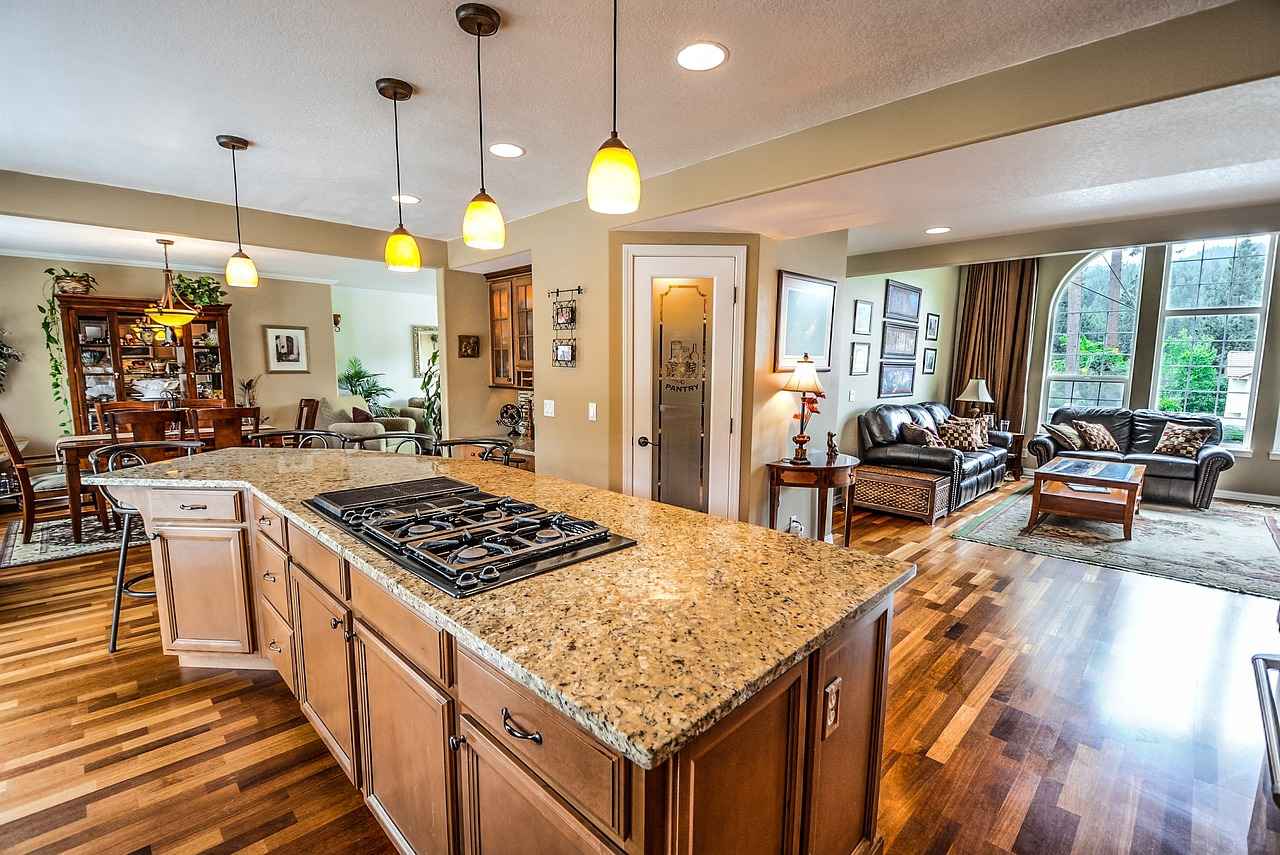
In today’s world, where water conservation is essential, smart irrigation systems have emerged as a revolutionary solution for homeowners and landscapers alike. These advanced systems optimize water usage by automatically adjusting watering schedules based on real-time weather conditions, soil moisture levels, and plant requirements. This not only promotes efficient landscaping and gardening but also significantly contributes to environmental sustainability.
11.1. Benefits of Smart Irrigation
- Water Conservation: By utilizing sensors and weather data, smart irrigation systems minimize water waste, ensuring that plants receive the right amount of moisture without overwatering.
- Cost Savings: Homeowners can expect reduced utility bills as these systems efficiently manage water usage, translating into lower costs over time.
- Healthy Plant Growth: Smart irrigation systems provide precise watering, promoting healthier plants and landscapes by preventing both drought stress and waterlogging.
11.2. Recommended Smart Irrigation Brands
Several brands stand out in the smart irrigation market, offering innovative solutions that integrate seamlessly with existing smart home ecosystems:
- Rachio: Known for its user-friendly interface and compatibility with various smart home platforms, Rachio allows users to customize watering schedules and monitor water usage via a mobile app.
- RainMachine: This brand offers high-tech features such as weather intelligence and the ability to control multiple zones, making it ideal for larger properties.
- Orbit: Orbit provides affordable and reliable smart irrigation options, making it accessible for homeowners looking to upgrade their traditional systems.
Conclusion
Incorporating a smart irrigation system into your home not only enhances the efficiency of your landscaping efforts but also supports sustainable practices in water management. As technology continues to evolve, these systems will play an increasingly vital role in promoting eco-friendly gardening and landscaping solutions.
11.1. Benefits of Smart Irrigation
Smart irrigation systems are revolutionizing the way we manage our gardens and landscapes, providing numerous benefits that contribute to both environmental conservation and economic savings. By automating the watering process, these systems ensure that plants receive the right amount of water at the right time, enhancing their growth while minimizing waste.
One of the most significant advantages of smart irrigation is its ability to conserve water. Traditional irrigation methods often lead to overwatering, which not only wastes this precious resource but can also harm plant health. Smart systems utilize weather data and soil moisture sensors to adjust watering schedules based on current conditions. This means that during rainy periods, the system can reduce or even skip watering sessions, effectively saving water.
In addition to water conservation, smart irrigation systems can lead to reduced utility bills. By optimizing water usage, homeowners can see a significant decrease in their water bills. Furthermore, many smart irrigation systems are designed to work efficiently with local water restrictions, ensuring compliance while still maintaining a lush garden.
Another key benefit is the promotion of healthy plant growth. With precise watering, plants receive the moisture they need without the risks associated with over or under-watering. This leads to stronger root systems and overall healthier plants, which are more resilient to pests and diseases.
Moreover, smart irrigation systems offer the convenience of remote management. Homeowners can monitor and control their irrigation systems from their smartphones, allowing for adjustments on-the-go. This feature is particularly beneficial for those who travel frequently or have busy schedules, ensuring that their gardens remain well-cared-for without constant oversight.
In conclusion, the benefits of smart irrigation systems extend far beyond mere convenience. They are essential tools for anyone looking to enhance their landscaping while being environmentally responsible and economically savvy. By conserving water, reducing utility costs, and promoting healthy plant growth, these systems represent a smart investment for the future.
11.2. Recommended Smart Irrigation Brands
In the realm of smart irrigation, Rachio and RainMachine stand out as leading brands that offer innovative solutions designed to optimize water usage and enhance gardening efficiency. These systems not only integrate seamlessly with existing smart home ecosystems but also provide users with the ability to manage their irrigation from anywhere.
- Rachio:
Rachio’s smart irrigation controllers utilize advanced weather data to adjust watering schedules automatically, ensuring that your garden receives the right amount of water at the right time. Users can easily control their systems via a mobile app, allowing for flexibility and convenience. Key features include:
- Weather Intelligence™ to prevent overwatering.
- Integration with smart home platforms like Amazon Alexa and Google Assistant.
- Customizable schedules based on plant types and local climate.
- RainMachine:
RainMachine offers a robust smart irrigation solution that also focuses on water conservation. Its unique selling point is the ability to function without an internet connection, making it reliable even during outages. Some notable features include:
- Real-time weather data integration for precise watering.
- Support for multiple zones, allowing tailored watering for different areas of your garden.
- Remote access and control via a user-friendly app.
Both Rachio and RainMachine exemplify how technology can enhance traditional gardening methods. By investing in these smart irrigation systems, homeowners can achieve a healthier landscape while conserving water and reducing utility costs.
As the demand for sustainable gardening practices grows, brands like Rachio and RainMachine are paving the way for smarter, more efficient irrigation solutions.

12. Future Trends in Smart Home Technology
The future of smart home technology is an exciting landscape filled with potential innovations that will redefine our living spaces. As advancements in artificial intelligence (AI) continue to evolve, we can expect smarter, more intuitive systems that cater to our daily needs.
One of the most significant trends is the integration of AI into smart home devices. This will enable systems to learn from user behavior, making them more responsive and efficient. For instance, smart thermostats will not only adjust temperatures based on your schedule but will also consider factors like weather forecasts and personal comfort levels. This level of personalization will enhance user experience and energy efficiency.
Another critical aspect of the future of smart homes is enhanced security features. As technology advances, security systems will become more sophisticated, incorporating features such as facial recognition and advanced motion detection. This will provide homeowners with real-time alerts and the ability to monitor their property from anywhere in the world, ensuring peace of mind.
Moreover, interoperability among devices is set to improve significantly. Currently, many smart devices operate on separate platforms, which can create compatibility issues. Future developments aim to create a unified ecosystem where devices from different manufacturers can communicate seamlessly. This will simplify management and enhance the overall smart home experience.
In conclusion, the future of smart home technology is poised for remarkable advancements. With AI integration, enhanced security, and improved interoperability, our homes will become more connected, efficient, and secure. As these technologies continue to develop, we will see a transformation in how we live and interact with our environments, making smart homes a staple in modern living.
12.1. Emerging Technologies
Emerging Technologies are transforming the landscape of smart homes, paving the way for a more integrated and user-friendly living environment. The advent of technologies such as 5G, machine learning, and Internet of Things (IoT) advancements is set to revolutionize how we interact with our homes, making them increasingly intuitive and responsive.
With the rollout of 5G networks, smart devices will benefit from faster data transfer speeds and reduced latency. This means that devices can communicate with each other in real time, enhancing the overall functionality of smart home systems. For instance, a smart thermostat can receive real-time weather updates and adjust heating or cooling settings accordingly, leading to improved energy efficiency and comfort.
Moreover, machine learning algorithms will allow smart home devices to learn from user behavior over time. This capability enables devices to anticipate needs and preferences, creating a more personalized experience. For example, a smart lighting system can learn when you typically arrive home and automatically adjust the lighting to your preferred settings.
| Technology | Impact on Smart Homes |
|---|---|
| 5G | Faster communication, real-time responsiveness |
| Machine Learning | Personalized experiences through predictive analysis |
| IoT Advancements | Seamless integration of devices, enhanced automation |
The integration of IoT advancements is also crucial. As more devices become interconnected, the potential for automation increases significantly. Homeowners can set up routines that allow devices to work together, such as having the coffee maker start brewing when the smart alarm clock goes off.
In conclusion, the combination of 5G, machine learning, and IoT advancements is not just enhancing the functionality of smart homes but is also setting the stage for a future where homes are more efficient, secure, and convenient than ever before. As these technologies continue to evolve, they will play a pivotal role in shaping our living spaces.
12.2. Predictions for Smart Home Growth
As we look towards the future, market analysts are increasingly optimistic about the trajectory of the smart home sector. The convergence of technology and consumer needs is driving a paradigm shift in how we interact with our living spaces. Here are some key factors fueling this growth:
- Consumer Demand for Convenience: Today’s consumers are seeking solutions that simplify their lives. Smart home devices offer unparalleled convenience through automation and remote control, allowing users to manage their homes effortlessly.
- Enhanced Security Features: With rising concerns about home security, smart devices like cameras and door locks provide real-time monitoring and remote access. This not only enhances safety but also gives homeowners peace of mind.
- Focus on Energy Efficiency: As environmental awareness grows, consumers are increasingly looking for ways to reduce their carbon footprint. Smart thermostats and energy-efficient appliances are leading the charge, helping households save on energy costs while being eco-friendly.
- Advancements in Technology: Innovations in artificial intelligence and the Internet of Things (IoT) are making smart devices more intuitive and responsive. This technological evolution is expected to further boost consumer adoption.
- Integration of Smart Devices: The ability of various smart home products to communicate and work together seamlessly is a significant draw for consumers. This interoperability enhances the overall user experience and encourages investment in multiple devices.
In conclusion, the smart home market is poised for significant growth as it aligns with consumer preferences for convenience, security, and sustainability. As technology continues to evolve, we can expect even more innovative solutions that will redefine modern living.
Frequently Asked Questions
- What are smart home devices?
Smart home devices are electronic gadgets that connect to the internet, allowing you to control them remotely through your smartphone or voice commands. They enhance convenience, security, and efficiency in your home.
- How do smart speakers work?
Smart speakers act as a central hub for your smart devices. You can use voice commands to control lights, thermostats, and more, while also enjoying music streaming and information access.
- Are smart thermostats worth the investment?
Absolutely! Smart thermostats learn your habits and preferences, optimizing your home’s temperature while saving on energy bills. They offer remote control and energy reports, making them a smart choice for eco-conscious homeowners.
- What features should I look for in smart security cameras?
Look for features like night vision, motion detection, and two-way audio. These capabilities enhance surveillance and allow you to communicate with visitors or pets while you’re away.
- Can I control traditional appliances with smart plugs?
Yes! Smart plugs allow you to turn any traditional appliance into a smart device, enabling remote control, scheduling, and energy monitoring, all without the need for replacement.
- What are the benefits of smart irrigation systems?
Smart irrigation systems optimize water usage by adjusting schedules based on weather conditions, helping conserve water and reduce utility bills while ensuring your plants thrive.