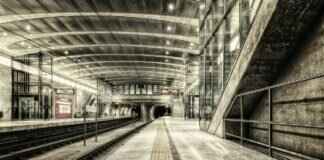
To ride any of the Queens Subway Lines Compared: 7, E, F, M, R Trains, a standard fare of $2.90 per trip applies, and travel time from Roosevelt Avenue to Manhattan ranges from 20 to 35 minutes depending on the line and time of day. As of November 2024, OMNY tap-and-go payment is fully implemented across all these trains, though MetroCard machines remain available. For the quickest commute to Midtown, the E and F run express, while the 7 offers frequent service but can get crowded during rush hour. Choosing the right line matters because service patterns can change abruptly—especially on weekends or late nights—so always check the MTA app before leaving. These distinctions make navigating Queens subways confusing for new arrivals, especially when transferring between local and express services. This guide breaks down each line’s route, speed, crowding, and transfer options, so you can confidently pick the best train for your needs, avoid common commuter pitfalls, and maximise your time as you settle into life in Queens.
Overview of Queens Subway Lines Compared in 2024
When it comes to navigating Queens in 2024, the 7, E, F, M, and R trains aren’t just subway lines—they’re lifelines linking neighbourhoods like Flushing, Jackson Heights, Forest Hills, and Long Island City to the rest of NYC. Each has its own quirks, transfer points, and peak hour headaches. The 7 train, for instance, slices through Roosevelt Avenue, carrying an endless tide of commuters from Main St–Flushing (right by 39th Ave) to Midtown Manhattan. Meanwhile, the E and F lines, both express darlings, breeze through Queens Plaza and Kew Gardens, making them the top pick for anyone desperate to shave minutes off their daily commute, especially with MetroCard fares holding steady at $2.90 in 2024. Folks moving to Queens or hustling between boroughs should know: not all subway lines are created equal.
- 7 Train: Local/Express, Flushing–Main St to 34th St–Hudson Yards. Key stops: Mets–Willets Point, Junction Blvd, 74th St–Broadway.
- E Train: Express, Jamaica Center to World Trade Center. Stops: Sutphin Blvd (AirTrain to JFK), Jackson Hts–Roosevelt Ave.
- F Train: Express, Jamaica–179th St to Coney Island. Notable: 21st St–Queensbridge, Forest Hills–71st Ave.
- M Train: Local, Forest Hills–71st Ave to Middle Village. Connects Ridgewood, Elmhurst, and Midtown.
- R Train: Local, Forest Hills–71st Ave to Bay Ridge. Serves Woodhaven Blvd, Steinway St, and Queens Plaza.
For recent arrivals or long-time locals, comparing these lines isn’t just about speed. It’s about which train will make you late for your shift at the deli or help you catch that 8:30 a.m. citizenship test at 26 Federal Plaza (ride the E to World Trade Center, then transfer). Service interruptions, weekend reroutes, and the never-ending “signal upgrades” all factor in. In 2024, the MTA’s real-time updates and new OMNY tap payment system are godsends, but the daily grind is still real—especially for Queens’ immigrant communities juggling multiple jobs and commutes across boroughs.
Route Details for 7, E, F, M, and R Trains
Let’s be honest—navigating the 7, E, F, M, and R trains is a rite of passage for anyone living in Queens, especially in 2024’s relentlessly changing NYC transit landscape. The 7 train, still dubbed the “International Express,” slices through neighborhoods like Flushing, Corona, and Jackson Heights before diving into Grand Central. Meanwhile, the E and F trains are lifelines for those commuting from Jamaica Center or Kew Gardens to Midtown Manhattan—think 53rd St. and 34th St.–Penn Station, just a MetroCard tap away (now $2.90 a ride; unlimited weekly $34). The local M and R cover Astoria, Forest Hills, and Rego Park, perfect if you’re schlepping groceries from the bodega to your rent-stabilised walkup.
- 7 Train: Flushing–Main St to 34th St.–Hudson Yards
- E Train: Jamaica Center to World Trade Center
- F Train: Jamaica–179th St to Coney Island–Stillwell Ave
- M Train: Forest Hills–71st Ave to Middle Village–Metropolitan Ave
- R Train: Forest Hills–71st Ave to Bay Ridge–95th St
Each line’s quirks can make or break your day. The 7 train’s rush-hour express skips local stops, so if you’re catching the Mets at Citi Field (Willets Point Blvd, 123-01 Roosevelt Ave), timing is everything. The E and F are both blessed and cursed by their express status; they blow past stations like 75th Ave and Elmhurst Ave, shaving minutes off the ride but leaving local riders waiting. And don’t get me started on weekend service changes—double-check on the MTA app before heading out, especially if you need to transfer at Roosevelt Ave or Queens Plaza.
Factors to Consider When Choosing a Line
Before you tap your MetroCard or scan your OMNY at Roosevelt Avenue or Queens Plaza, you need to weigh which line fits your daily grind. Choosing the right one among the 7, E, F, M, and R trains isn’t just about speed—it’s survival in Queens. The 7 train, for example, is the lifeblood for those in Flushing or Corona who need direct access to Midtown Manhattan, but come rush hour, it’s a sardine can. The E zips from Jamaica Center to World Trade Center with minimal Queens stops, making it a favorite for express-loving commuters, but don’t expect a seat after 71st-Continental.
- Jackson Heights–Roosevelt Ave: 74th St & Broadway – 7, E, F, M, R lines
- Queensboro Plaza: 27-01 Queens Plaza N – 7, N, W lines
- Forest Hills–71 Av: 71-11 Austin St – E, F, M, R lines
- Jamaica Center–Parsons/Archer: 159-02 Archer Ave – E line, $2.90 fare, open 24/7
Frequency and reliability count, too—especially if you’re juggling two jobs or picking up groceries at the Jackson Heights bodega after midnight. The F train, a staple through Kew Gardens and Jamaica, is notorious for weekend service changes in 2024, while the M and R crawl local through Astoria, Woodside, and Rego Park, often slower but less packed. Each train dances to its own schedule, so factor in late-night track work, weekday express runs, and the infamous “signal problems.”
Immigrants and newcomers, pay attention: proximity to English language classes (like those near 82nd St–Jackson Heights or Jamaica–Parsons), affordable groceries, and 24-hour pharmacies can hinge on your subway line. In 2024, monthly unlimited MetroCards are $132, but some lines mean fewer transfers—a big deal if you’re hustling between Sunnyside, LIC, and Midtown. Double-check if your nearest station has elevators or reliable late-night access, especially if you’re working odd hours or managing strollers and groceries.
- Check if your local station (e.g.
Tips for Navigating Queens Subway Efficiently
Let’s get real: navigating the Queens subway lines—especially the 7, E, F, M, and R trains—requires a mix of local wisdom and street smarts. The 7 train, snaking from Flushing–Main St to Hudson Yards, is the lifeblood for thousands of commuters and immigrant families living in Flushing, Corona, and Jackson Heights. In 2024, a single ride clocks in at $2.90 (MetroCard or OMNY), but delays and weekend work are practically a rite of passage. The E and F lines offer 24/7 express service between Queens and Manhattan, but don’t bet on express trains late at night—service switches to local after midnight, so always check the MTA app before heading to 74th St–Broadway or Forest Hills–71 Av.
For newcomers and old hands alike, keep your MetroCard topped up—refilling at Flushing–Main St is usually fastest before 9am, while Jackson Heights–Roosevelt Av gets slammed between 7-9am and 5-7pm. If you’re switching lines (say, from the M to the E at Queens Plaza), be ready to hustle up and down stairs—elevators exist but are notorious for being out of service. Trust me, Google Maps won’t tell you about the shortcut past the halal cart on Broadway and 74th, but it’ll save you five minutes when you’re late for work in Midtown.
- Always check real-time alerts on the MTA app for line changes or weekend outages.
- Buy or refill MetroCards at off-peak hours to avoid lines (pro tip: Forest Hills–71 Av at 1pm is a ghost town).
- If transferring at Queensboro Plaza, follow signs to the Manhattan-bound platform—tourists get tripped up here every day.
- Keep $2.90 in singles as backup; MetroCard vending machines break down more than we’d like to admit.
- Ask a station agent for directions—most speak multiple languages, especially at Jackson Heights–Roosevelt Av.
Common Challenges and How to Address Them
Comparing the 7, E, F, M, and R trains in Queens isn’t just a hobby for local transit nerds—it’s practical survival for anyone navigating Jackson Heights, Forest Hills, or hopping the 7 from Flushing–Main St to Times Square. The most common challenges? Delays (especially on weekends), confusing transfer points (Roosevelt Ave, anyone?), and the dreaded MetroCard refill scramble at 74th St–Broadway when you’re already five minutes late for work. In 2024, the MTA’s fare is still $2.90 a ride, but if you’re new to Queens or just off the plane at JFK, figuring out which line actually gets you to Midtown fastest (hint: it isn’t always the express) is half the battle.
| Subway Line | Frequent Issues | Solutions |
|---|---|---|
| 7 Train | Weekend service changes, platform crowding at Queensboro Plaza | Check MTA app before you leave; arrive early for rush hours |
| E Train | Delays between Jamaica Center and Sutphin Blvd–Archer Av | Alternative: LIRR from Jamaica if time-sensitive (from $5.00 off-peak) |
| F Train | Late-night local service, skipped stops in emergencies | Use Q60 or Q64 buses as backup; check @NYCTSubway Twitter |
| M Train | Limited late-night service past Forest Hills–71 Av | Plan alternate routes; look for nearby CitiBike docks |
| R Train | Frequent reroutes, slow speeds through Elmhurst | Switch to E/F at Jackson Heights–Roosevelt Av |
You now have a clear understanding of the differences between the 7, E, F, M, and R Queens subway lines, including their routes, travel times, and key considerations. This knowledge enables you to plan your journeys more efficiently, saving you time and reducing travel stress when navigating NYC’s subway system.
Your first step is to identify your typical travel routes and compare them against these lines to determine the most suitable options. Start by mapping your regular destinations and noting which lines serve those areas best, especially during peak hours or service changes.
Have any questions or need further clarification? Feel free to share your thoughts or experience with these subway lines in the comments. For more practical tips, check our detailed Queens Subway Guide on indonewyork.com.