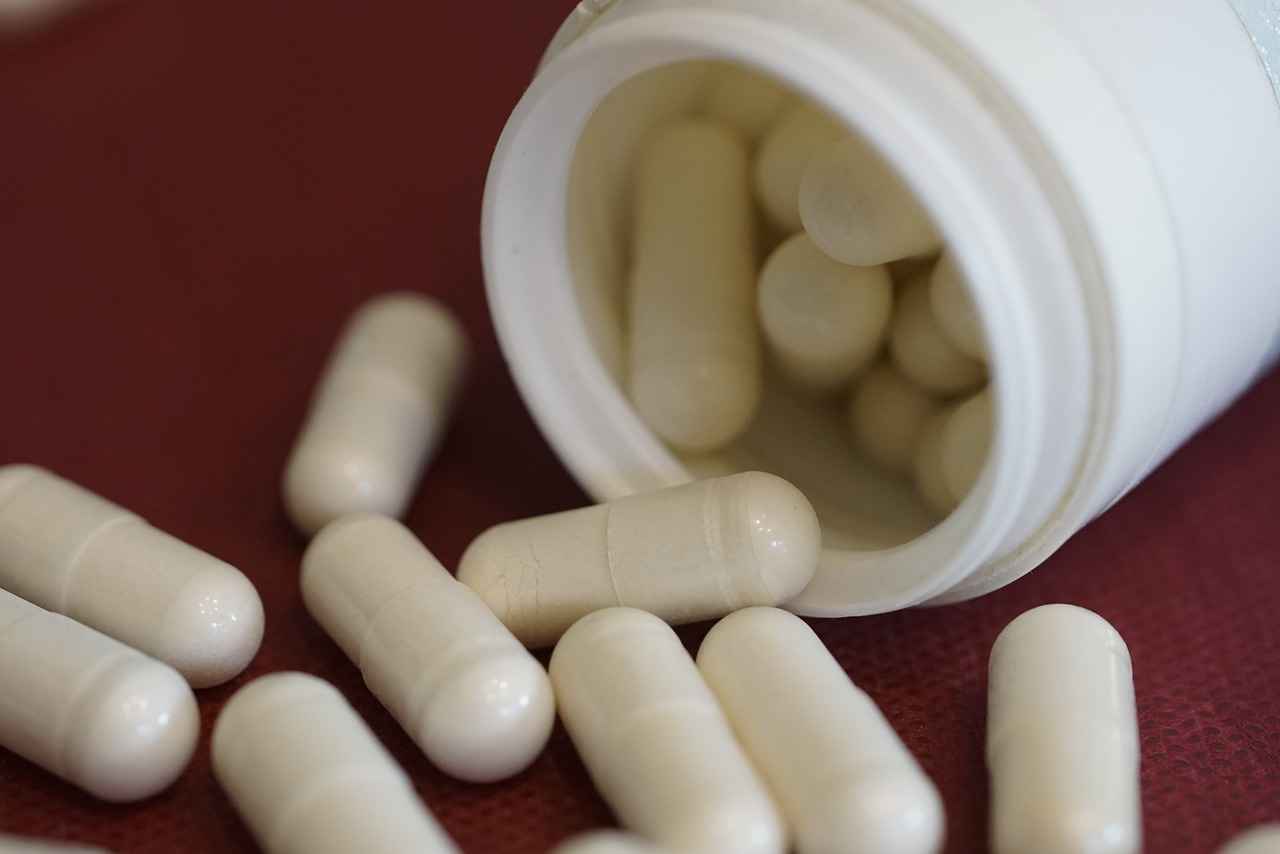
This article discusses the role of tryptophan supplements in enhancing relaxation and sleep. Tryptophan, an essential amino acid, is integral to the synthesis of serotonin and melatonin—two hormones that play a significant role in regulating sleep patterns. By understanding the benefits, sources, dosage, and potential side effects of these supplements, individuals can make informed decisions to improve their sleep quality.
The Role of Tryptophan in Sleep Regulation
Tryptophan is vital for the production of serotonin, which is then converted into melatonin, the hormone responsible for sleep regulation. This connection is crucial for anyone seeking to optimize their sleep quality and overall well-being.
Benefits of Tryptophan Supplements
- Improved Sleep Quality: Tryptophan supplements can enhance sleep quality by increasing melatonin levels, promoting deeper and more restorative sleep.
- Reduced Anxiety: These supplements may help alleviate anxiety, making it easier to unwind and prepare for sleep.
- Enhanced Mood: By influencing serotonin levels, tryptophan can positively affect mood, contributing to better emotional health.
Natural Sources of Tryptophan
Incorporating natural sources of tryptophan into your diet is a great way to support relaxation and sleep. Foods rich in tryptophan include:
- Turkey
- Chicken
- Fish
- Dairy Products
- Nuts and Seeds
Recommended Dosage of Tryptophan Supplements
The appropriate dosage of tryptophan supplements can vary based on individual needs. Typical dosages range from 500 mg to 2000 mg per day. It is advisable to consult with a healthcare professional to determine the best dosage for your specific situation.
Potential Side Effects of Tryptophan Supplements
While generally safe, some individuals may experience side effects such as:
- Gastrointestinal issues
- Drowsiness
- Headaches
Conclusion: The Future of Tryptophan in Sleep Support
Tryptophan supplements hold promise for promoting relaxation and enhancing sleep quality. As research continues, we may uncover even more benefits and applications for these supplements in supporting better sleep health.
The Role of Tryptophan in Sleep Regulation
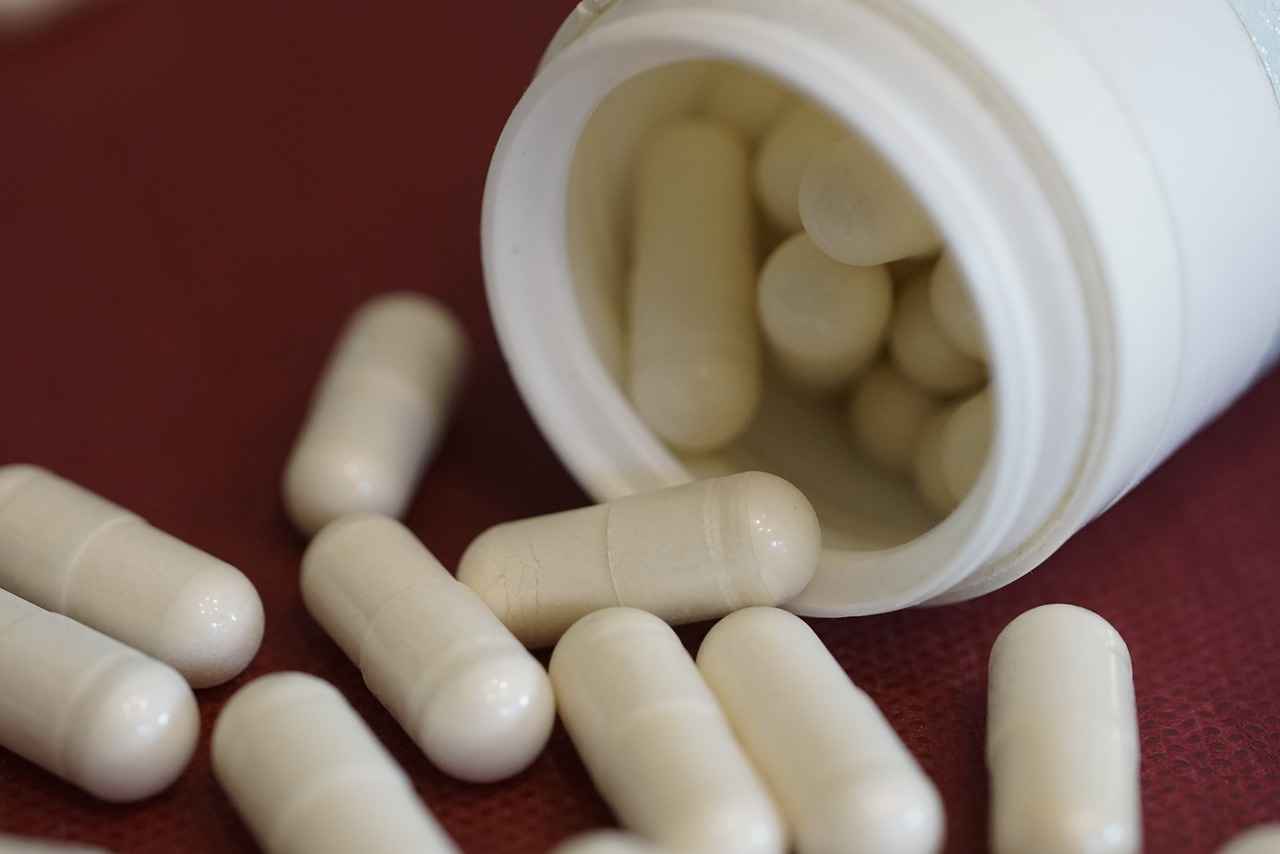
Tryptophan is an essential amino acid that plays a pivotal role in the body, especially in relation to sleep regulation. It serves as a precursor to two vital hormones: serotonin and melatonin. These hormones are crucial for maintaining healthy sleep patterns and overall well-being. Understanding the intricate connection between tryptophan and sleep can significantly enhance our approach to achieving better sleep quality.
The body converts tryptophan into serotonin, which is often referred to as the “feel-good” hormone. Serotonin is not only important for mood regulation but also plays a key role in the sleep-wake cycle. When the sun sets, serotonin is further converted into melatonin, the hormone responsible for signaling the body to prepare for sleep. This natural transition is essential for ensuring that we experience deep and restorative sleep.
Many people struggle with sleep-related issues, which can be linked to low levels of tryptophan in the diet. Incorporating tryptophan-rich foods can help boost serotonin and melatonin levels. Foods such as turkey, nuts, seeds, and dairy products are excellent sources of this amino acid. Furthermore, consuming carbohydrates alongside tryptophan-rich foods can enhance the absorption of tryptophan into the brain, further promoting relaxation and aiding in the onset of sleep.
In conclusion, the role of tryptophan in sleep regulation is invaluable. By understanding its function and incorporating appropriate dietary sources or supplements, individuals can optimize their sleep quality. This knowledge empowers us to make informed choices that can lead to improved sleep health and overall well-being.
Benefits of Tryptophan Supplements
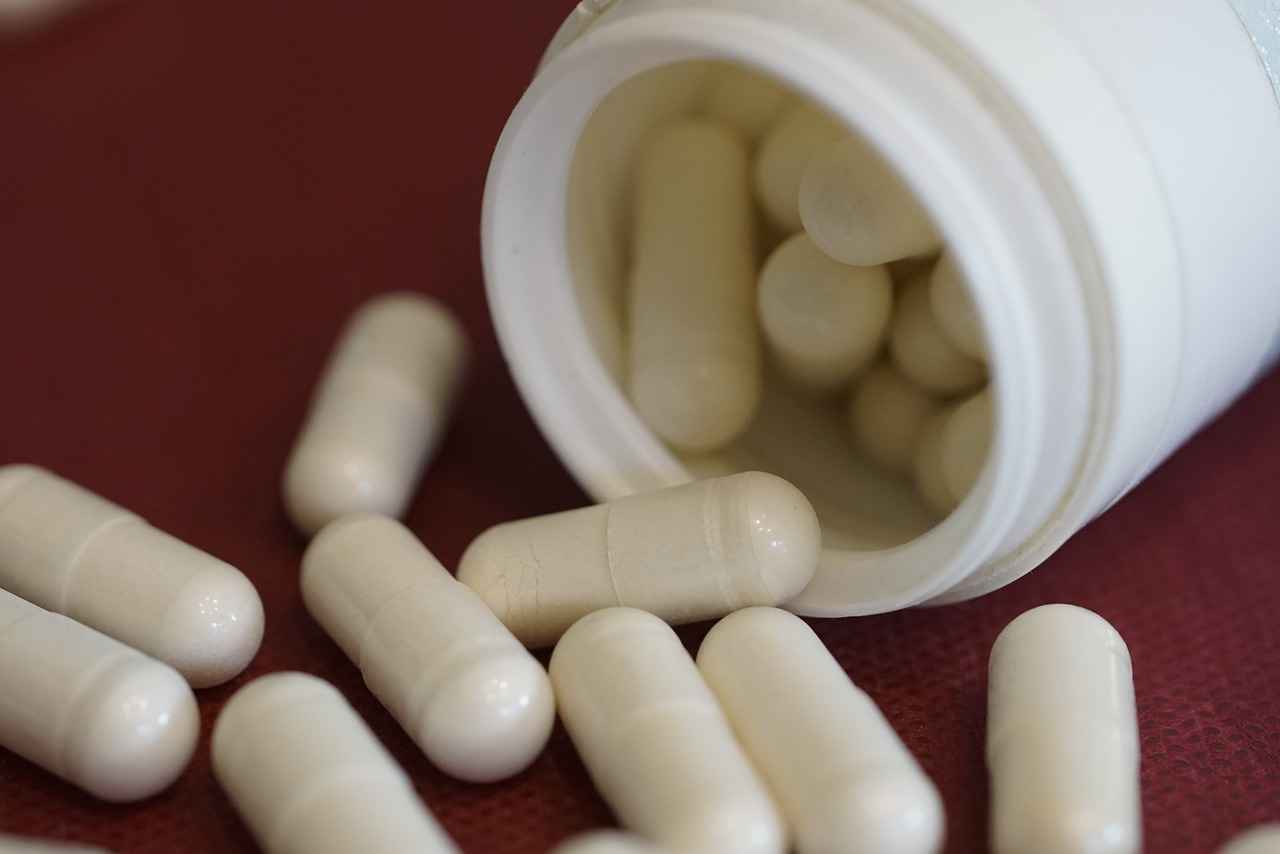
Tryptophan supplements have gained significant attention due to their numerous benefits for mental and physical well-being. This article will explore the various advantages of incorporating tryptophan supplements into your daily routine, particularly focusing on their impact on sleep quality, anxiety reduction, and mood enhancement.
Tryptophan is an essential amino acid that is not produced by the body and must be obtained through diet or supplements. It plays a vital role in the synthesis of serotonin and melatonin, two neurotransmitters critical for regulating mood and sleep. By understanding how tryptophan affects our body, we can appreciate its potential benefits.
- Melatonin Production: Tryptophan supplements can enhance melatonin levels, leading to better sleep quality and duration.
- Deeper Sleep Cycles: Users often report experiencing deeper and more restorative sleep, which is essential for overall health.
Many individuals struggle with anxiety, which can significantly affect daily functioning. Tryptophan supplements may help in the following ways:
- Calming Effect: By increasing serotonin levels, tryptophan can help promote relaxation and reduce feelings of stress.
- Improved Coping Mechanisms: Regular supplementation may enhance one’s ability to cope with stressful situations, leading to a more balanced mood.
The mood-enhancing properties of tryptophan are particularly noteworthy. Here are a couple of key points:
- Serotonin Boost: Higher serotonin levels are associated with improved mood and emotional well-being.
- Potential Anti-Depressive Effects: Some studies suggest that tryptophan supplementation may aid in alleviating symptoms of depression.
Incorporating tryptophan supplements into your health regimen can offer numerous benefits, from improved sleep quality to enhanced mood and reduced anxiety. However, it is essential to consult with a healthcare professional before starting any new supplement to ensure it aligns with your individual health needs.
Improving Sleep Quality
In today’s fast-paced world, achieving a good night’s sleep is more important than ever. Research has shown that tryptophan, an essential amino acid, plays a pivotal role in enhancing sleep quality. This compound is a precursor to serotonin, a neurotransmitter that helps regulate mood, and melatonin, a hormone that governs the sleep-wake cycle.
When consumed, tryptophan is converted into serotonin, which is then transformed into melatonin, particularly in the evening. This process is crucial for establishing a natural sleep rhythm, allowing individuals to experience deeper and more restorative sleep cycles. Studies indicate that higher levels of melatonin can lead to improved sleep onset and maintenance, making tryptophan a valuable ally for those struggling with sleep disturbances.
Furthermore, the sleep-enhancing effects of tryptophan are not limited to its ability to increase melatonin production. Tryptophan has also been linked to reduced levels of anxiety and stress, which can significantly impact sleep quality. By promoting relaxation, tryptophan helps individuals unwind after a long day, making it easier to fall asleep and stay asleep throughout the night.
For those looking to improve their sleep quality, incorporating tryptophan-rich foods into their diet can be an effective strategy. Foods such as turkey, chicken, fish, eggs, nuts, and dairy products are excellent sources of this amino acid. Additionally, pairing these foods with carbohydrates can enhance tryptophan absorption in the brain, further supporting its sleep-promoting effects.
In conclusion, tryptophan is a powerful nutrient that can significantly improve sleep quality by enhancing melatonin production and promoting relaxation. For those seeking better sleep, considering dietary sources or supplements may be a worthwhile approach.
Impact on Sleep Disorders
Tryptophan, an essential amino acid, has garnered attention for its potential benefits in managing sleep disorders, particularly insomnia. Individuals struggling with sleep issues often find it challenging to both fall asleep and maintain sleep throughout the night. Tryptophan plays a significant role in the body’s natural sleep-wake cycle by aiding in the production of serotonin and melatonin, hormones that are critical for regulating sleep.
Research suggests that supplementation with tryptophan can lead to a quicker onset of sleep, allowing individuals to drift off more easily after a long day. Furthermore, it may help extend the duration of sleep, resulting in a more restorative night. This is particularly beneficial for those who experience fragmented sleep patterns or frequent awakenings during the night.
Studies have indicated that tryptophan can enhance sleep quality by increasing the levels of melatonin, which in turn helps to establish a more regular sleep cycle. This is crucial for individuals whose sleep is often disrupted by stress or anxiety, as tryptophan’s calming effects can promote a sense of relaxation, making it easier to transition into sleep.
Incorporating tryptophan-rich foods into the diet or considering supplementation can be a natural approach to improving sleep quality. Foods such as turkey, nuts, and dairy products are excellent sources of tryptophan. For those considering supplements, it is advisable to consult a healthcare professional to determine the appropriate dosage and timing to maximize benefits.
In conclusion, tryptophan may hold promise for individuals with sleep disorders, offering a natural solution to enhance sleep onset and duration. By understanding its role in sleep regulation, individuals can make informed choices to improve their overall sleep health.
Supporting Circadian Rhythms
Tryptophan, an essential amino acid, is renowned for its significant influence on the regulation of circadian rhythms, which are the natural cycles that govern our sleep-wake patterns. By facilitating the production of melatonin, a hormone crucial for sleep, tryptophan plays a vital role in enhancing our overall sleep quality and daytime alertness.
When you consume tryptophan-rich foods or supplements, it converts into serotonin, which then transforms into melatonin, particularly in response to darkness. This process helps signal to the body that it is time to wind down and prepare for sleep. As a result, individuals who incorporate tryptophan into their diets may experience improved sleep onset and duration, leading to a more restful night.
Moreover, maintaining balanced melatonin levels through tryptophan can also support daytime alertness. Proper sleep contributes to cognitive function, mood regulation, and overall well-being. Disruptions in circadian rhythms can lead to various issues, including insomnia and daytime fatigue. Therefore, ensuring adequate tryptophan intake can be a natural way to promote a healthier sleep cycle.
In addition to its direct effects on sleep, tryptophan’s ability to stabilize mood and reduce anxiety can further enhance sleep quality. Individuals who struggle with stress or anxiety often find it challenging to relax at bedtime. By addressing these concerns, tryptophan helps create a more conducive environment for restful sleep.
Incorporating tryptophan sources into your diet, such as turkey, nuts, and dairy, can be beneficial. Additionally, consider combining these foods with carbohydrates to enhance tryptophan absorption, further supporting your circadian rhythms.
In conclusion, understanding the role of tryptophan in regulating circadian rhythms is essential for anyone looking to improve their sleep patterns and overall health. By embracing this amino acid, you can take significant steps towards achieving better sleep and enhanced daytime performance.
Reducing Anxiety and Stress
Tryptophan supplements have gained attention for their potential to reduce anxiety and stress levels, which is crucial for individuals seeking to unwind after a hectic day. By influencing the production of serotonin, a neurotransmitter associated with mood regulation, tryptophan can create a sense of calm and relaxation.
In today’s fast-paced world, many people experience heightened levels of stress and anxiety, making it difficult to transition into a restful state before sleep. Tryptophan supplements can serve as a natural alternative to help alleviate these feelings. Here are some key points to consider:
- Serotonin Production: Tryptophan is the precursor to serotonin, which plays a significant role in mood stabilization. Increased serotonin levels can lead to improved emotional well-being.
- Calming Effects: By promoting relaxation, tryptophan can help individuals manage their stress levels more effectively, making it easier to cope with daily challenges.
- Enhanced Sleep Quality: Reduced anxiety often leads to better sleep quality, allowing individuals to wake up feeling refreshed and rejuvenated.
Moreover, the timing of tryptophan supplementation can enhance its effectiveness. Taking these supplements in the evening, approximately 30-60 minutes before bedtime, can maximize their calming effects and prepare the body for a good night’s sleep.
While tryptophan is generally safe for most individuals, it is always advisable to consult with a healthcare professional before starting any new supplement regimen, especially for those on medication or with underlying health conditions.
In conclusion, tryptophan supplements can be a valuable tool for reducing anxiety and stress, helping individuals to relax and achieve restful sleep. By understanding how to incorporate these supplements into your routine, you can enhance your overall well-being and improve your quality of life.

Natural Sources of Tryptophan
Incorporating natural sources of tryptophan into your diet can significantly enhance your ability to relax and sleep better. Tryptophan is an essential amino acid that the body cannot produce on its own, making it crucial to obtain it through dietary sources. Below are some key foods rich in this important nutrient:
- Turkey: Often celebrated as a go-to source of tryptophan, turkey is not only delicious but also packed with this amino acid. A serving of turkey can help elevate serotonin levels, promoting a sense of calm.
- Nuts: Almonds, walnuts, and cashews are excellent sources of tryptophan. They also provide healthy fats, making them a perfect snack for relaxation.
- Seeds: Pumpkin seeds and sunflower seeds are particularly high in tryptophan. Incorporating these into your meals or snacks can help boost your overall intake.
- Dairy Products: Milk, cheese, and yogurt are not only rich in calcium but also contain significant amounts of tryptophan. A warm glass of milk before bedtime can be especially soothing.
- Fish: Salmon and tuna are not only rich in omega-3 fatty acids but also provide a good dose of tryptophan, making them ideal for a balanced diet.
- Eggs: Eggs are versatile and nutrient-dense, offering a substantial amount of tryptophan while also being a great source of protein.
To maximize the benefits of tryptophan, consider pairing these foods with carbohydrates. Consuming carbohydrates can enhance the absorption of tryptophan into the brain, further supporting relaxation and sleep. For example, combining turkey with whole-grain bread or yogurt with fruit can be an effective strategy.
In conclusion, integrating these into your diet can greatly assist in promoting relaxation and improving sleep quality. By making mindful dietary choices, you can harness the power of this vital amino acid for better health.
High-Tryptophan Foods
are essential for those looking to improve their sleep quality and overall well-being. Tryptophan is an amino acid that the body uses to produce serotonin and melatonin, both of which are crucial for regulating sleep. Incorporating foods rich in tryptophan into your diet can be a simple yet effective strategy to enhance relaxation and support restful sleep.
Some of the best dietary sources of tryptophan include:
- Turkey: Often touted as a sleep-inducing food, turkey is rich in tryptophan and can easily be included in various dishes, from sandwiches to salads.
- Chicken: Another poultry option, chicken provides a significant amount of tryptophan and can be prepared in numerous ways, making it a versatile addition to your meals.
- Fish: Fatty fish such as salmon and tuna not only offer tryptophan but are also packed with omega-3 fatty acids, which are beneficial for brain health.
- Eggs: A breakfast staple, eggs are not only a source of protein but also contain a good amount of tryptophan, making them ideal for any meal.
- Dairy Products: Milk, cheese, and yogurt are excellent sources of tryptophan and can be enjoyed as snacks or incorporated into various recipes.
- Nuts and Seeds: Almonds, walnuts, and pumpkin seeds are not only rich in tryptophan but also provide healthy fats and fiber, enhancing overall health.
To maximize the benefits of these foods, consider pairing them with carbohydrates. Consuming carbohydrates can help increase the availability of tryptophan in the brain, further promoting relaxation and sleepiness. For instance, a turkey sandwich on whole-grain bread or yogurt with granola can be effective combinations.
In summary, incorporating a variety of high-tryptophan foods into your diet can be a natural way to support better sleep and relaxation. By making conscious food choices, you can improve your overall sleep quality and well-being.
Combining Tryptophan with Carbohydrates
When it comes to enhancing relaxation and promoting better sleep, the combination of tryptophan-rich foods with carbohydrates plays a crucial role. Tryptophan, an essential amino acid, is a precursor to serotonin and melatonin, two hormones that significantly influence our sleep patterns. However, the absorption of tryptophan into the brain can be optimized when paired with carbohydrates.
Carbohydrates stimulate the release of insulin, which helps clear competing amino acids from the bloodstream. This process allows tryptophan to cross the blood-brain barrier more efficiently. As a result, consuming a meal that includes both tryptophan and carbohydrates can lead to increased levels of serotonin and melatonin, thus enhancing feelings of calmness and promoting sleepiness.
| Food Type | Example Foods | Benefits |
|---|---|---|
| Tryptophan Sources | Turkey, Chicken, Fish, Eggs | Promotes serotonin production |
| Carbohydrate Sources | Whole Grains, Fruits, Vegetables | Enhances tryptophan absorption |
For instance, a meal consisting of grilled chicken (rich in tryptophan) served with brown rice (a complex carbohydrate) can be an excellent choice for those looking to improve their sleep quality. Similarly, a banana, which contains both tryptophan and carbohydrates, can serve as a perfect bedtime snack.
In summary, combining tryptophan-rich foods with carbohydrates not only facilitates the absorption of tryptophan in the brain but also fosters a more relaxed state conducive to sleep. This dietary approach can be a simple yet effective strategy for anyone seeking to enhance their sleep quality naturally.
Recommended Dosage of Tryptophan Supplements
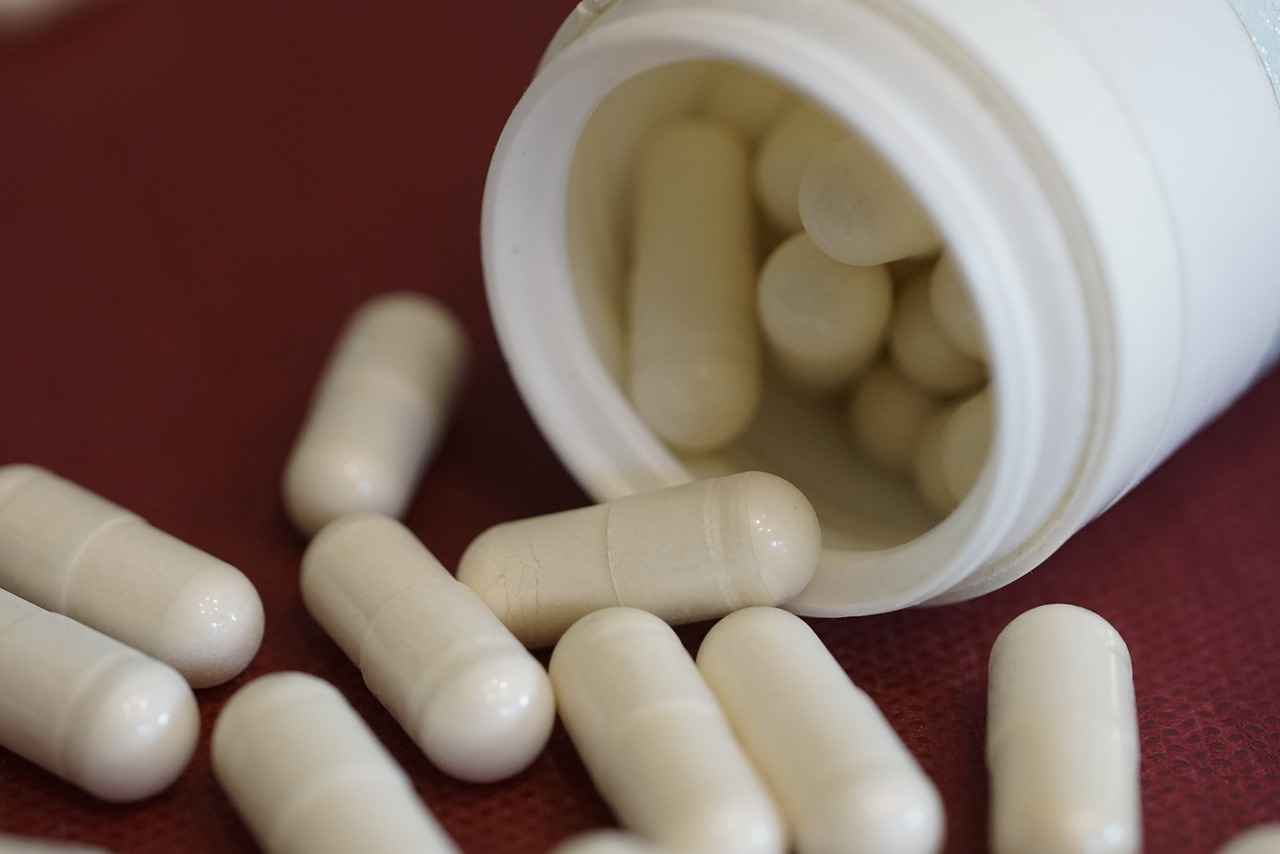
Determining the appropriate dosage of tryptophan supplements is essential for maximizing their benefits while minimizing potential side effects. Tryptophan is an amino acid that significantly influences serotonin and melatonin production, both of which are crucial for regulating sleep and mood. Therefore, understanding the correct dosage can help individuals achieve optimal results.
Before starting any supplementation, it is highly advisable to consult with a healthcare professional. This ensures that the dosage aligns with individual health needs and existing medical conditions.
| Dosage Range | Typical Use |
|---|---|
| 500 mg | For mild sleep issues |
| 1000 mg | Commonly used for anxiety and sleep improvement |
| 2000 mg | For severe cases or under medical supervision |
The timing of tryptophan intake is also crucial. Taking the supplement in the evening, approximately 30 to 60 minutes before bedtime, can enhance its effectiveness in promoting sleep. This timing allows the body to metabolize tryptophan and convert it into the necessary hormones for sleep regulation.
While tryptophan is generally safe, it is important to be aware of the potential side effects, which may include gastrointestinal discomfort, drowsiness, or headaches, particularly at higher dosages. Monitoring how your body reacts to the supplement can help in adjusting the dosage as needed.
In conclusion, the right dosage of tryptophan supplements can significantly impact their effectiveness in promoting relaxation and sleep. Always prioritize professional guidance to tailor the dosage to your individual health requirements.
General Guidelines for Dosage
When considering the use of tryptophan supplements, it is essential to understand the appropriate dosages that can help maximize their benefits while minimizing potential side effects. Tryptophan is an essential amino acid that the body cannot produce on its own, making supplementation a valuable option for those looking to improve their sleep and relaxation.
Typical dosages for tryptophan supplements generally range from 500 mg to 2000 mg per day. However, the exact dosage can vary based on individual needs, health conditions, and specific goals. Here are some important points to consider:
- Individual Needs: The right dosage may differ from person to person. Factors such as age, weight, and overall health can influence how much tryptophan one may need.
- Health Conditions: Individuals with certain health conditions, such as anxiety or sleep disorders, may benefit from higher dosages. However, this should always be done under the guidance of a healthcare professional.
- Consultation with a Healthcare Provider: Before starting any supplementation, it is advisable to consult with a healthcare provider to determine the appropriate dosage tailored to your specific circumstances.
Moreover, the timing of the supplement intake plays a crucial role in its effectiveness. Taking tryptophan supplements in the evening, approximately 30-60 minutes before bedtime, can enhance their ability to promote sleep and relaxation.
In summary, while the typical dosage for tryptophan supplements can range from 500 mg to 2000 mg per day, it is vital to consider personal health factors and consult with a healthcare professional to establish the best regimen for your needs.
Timing of Supplement Intake
When it comes to maximizing the benefits of tryptophan supplements, the timing of intake plays a crucial role. Research suggests that taking these supplements in the evening, ideally 30-60 minutes before bedtime, can significantly enhance their effectiveness in promoting restful sleep.
Why Evening Intake Matters
The body’s natural circadian rhythm influences how we sleep and wake. By consuming tryptophan supplements in the evening, you align their effects with the body’s natural production of melatonin, the hormone responsible for regulating sleep-wake cycles. This timing allows for optimal absorption and utilization of tryptophan as the body prepares for sleep.
- Promotes Relaxation: Taking tryptophan supplements before bed helps facilitate a state of relaxation, making it easier to unwind after a long day.
- Enhances Sleep Quality: With increased melatonin production, users often report deeper, more restorative sleep cycles.
- Reduces Sleep Onset Time: Many individuals find that evening supplementation helps them fall asleep faster, reducing the time spent tossing and turning.
Practical Tips for Supplementation
1. Choose a high-quality tryptophan supplement.2. Pair the supplement with a small carbohydrate-rich snack to enhance absorption.3. Maintain a consistent bedtime routine to further support sleep hygiene.
In conclusion, the timing of tryptophan supplement intake is essential for maximizing its sleep-promoting benefits. By taking these supplements in the evening, individuals can better align their supplementation with their body’s natural rhythms, ultimately leading to improved sleep quality and overall well-being.

Potential Side Effects of Tryptophan Supplements
While tryptophan supplements are generally regarded as safe, it is essential to be aware that they may lead to certain side effects in some individuals. Understanding these potential side effects can help users make informed decisions about their supplementation.
- Gastrointestinal Issues: Some individuals may experience mild gastrointestinal discomfort, which can include symptoms such as nausea, diarrhea, or stomach cramps. These effects are often dose-dependent and may be more pronounced at higher dosages.
- Drowsiness: As tryptophan is known for its role in promoting sleep, some users might feel excessively drowsy or lethargic during the day, especially if taken in larger amounts or at inappropriate times.
- Potential Drug Interactions: Tryptophan can interact with various medications, particularly antidepressants and other drugs that affect serotonin levels. This interaction may lead to a serious condition known as serotonin syndrome, which requires immediate medical attention.
- Allergic Reactions: Though rare, some individuals may experience allergic reactions to tryptophan supplements, which can manifest as skin rashes, itching, or swelling.
It is crucial for individuals considering tryptophan supplementation to consult with a healthcare professional before starting. This is especially important for those who are pregnant, nursing, or taking other medications.
In conclusion, while tryptophan supplements can offer various benefits, being aware of potential side effects is vital for ensuring a safe and effective supplementation experience. Always prioritize safety and consult with a healthcare provider to tailor the approach to your individual health needs.
Common Side Effects
While tryptophan supplements are widely regarded as safe for most individuals, it is important to be aware of potential side effects that can arise, particularly when taken at higher dosages. Some users may experience mild symptoms that could affect their overall comfort and well-being.
Among the most frequently reported side effects are:
- Nausea: Some individuals may feel queasy, especially if they consume tryptophan on an empty stomach or exceed the recommended dosage.
- Diarrhea: Gastrointestinal disturbances, including diarrhea, can occur as the body adjusts to the supplement.
- Headaches: A small percentage of users report experiencing headaches, which may be linked to changes in serotonin levels.
These side effects are generally mild and temporary. However, they can be bothersome for some individuals. It’s crucial to start with a lower dose and gradually increase it to assess personal tolerance. Consulting with a healthcare professional before beginning any supplementation regimen is advisable, especially for those with pre-existing health conditions or those taking other medications.
Additionally, it is essential to consider the timing of tryptophan intake. Taking the supplement in the evening, approximately 30-60 minutes before bedtime, may help minimize side effects and enhance its efficacy in promoting relaxation and sleep.
In summary, while many people can benefit from tryptophan supplements, being aware of potential side effects and taking preventive measures can lead to a more positive experience. Always prioritize safety and consult a healthcare provider for personalized advice.
Interactions with Medications
Tryptophan, an essential amino acid, is known for its role in promoting relaxation and sleep. However, it is important to recognize that tryptophan can interact with certain medications, particularly antidepressants. This interaction can lead to increased levels of serotonin in the brain, which, while beneficial in some cases, may also pose risks such as serotonin syndrome, a potentially life-threatening condition.
When considering tryptophan supplementation, it is crucial to consult with a healthcare provider, especially if you are currently taking any medications. This consultation can help ensure that any potential interactions are managed effectively and safely. Here are some key points to consider:
- Types of Medications Affected: Tryptophan may interact with various classes of medications, including selective serotonin reuptake inhibitors (SSRIs), monoamine oxidase inhibitors (MAOIs), and other antidepressants. Combining these with tryptophan can amplify the effects of serotonin, leading to unwanted side effects.
- Signs of Interaction: Symptoms of serotonin syndrome can include confusion, rapid heart rate, high blood pressure, dilated pupils, and muscle rigidity. If you experience any of these symptoms while taking tryptophan and antidepressants, seek medical attention immediately.
- Safe Supplementation Practices: To minimize risks, always discuss the use of tryptophan supplements with your healthcare provider. They can provide guidance on appropriate dosages and timing, as well as monitor for any adverse effects.
Moreover, it is essential to consider that not all individuals will experience negative interactions. Some may find that tryptophan enhances their mood and sleep quality without complications. However, individual responses can vary greatly, making professional guidance invaluable.
In conclusion, while tryptophan supplements can offer numerous benefits for relaxation and sleep, understanding their potential interactions with medications is crucial. Always prioritize safety by discussing any supplementation plans with a qualified healthcare provider.
Conclusion: The Future of Tryptophan in Sleep Support
Tryptophan supplements have garnered significant attention for their potential to enhance relaxation and improve sleep quality. As an essential amino acid, tryptophan is a precursor to serotonin and melatonin, hormones that are crucial for regulating sleep-wake cycles. This connection underscores the importance of tryptophan in promoting better sleep health.
Ongoing research continues to explore the benefits of tryptophan supplements. Studies suggest that they may not only help individuals fall asleep faster but also improve the overall quality of sleep. This is particularly beneficial for those struggling with sleep disorders like insomnia or those experiencing high levels of stress and anxiety.
Furthermore, the impact of tryptophan on circadian rhythms cannot be overlooked. By influencing melatonin production, tryptophan helps regulate our internal body clock, leading to improved sleep patterns and increased daytime alertness. This regulation is vital for maintaining a healthy lifestyle and enhancing overall well-being.
Incorporating natural sources of tryptophan into the diet, such as turkey, nuts, and dairy, alongside supplements, can maximize its benefits. However, it’s essential to consult with a healthcare professional to determine the appropriate dosage and timing for supplementation, ensuring safety and effectiveness.
Despite the promising nature of tryptophan supplements, potential side effects, such as gastrointestinal issues or interactions with certain medications, warrant caution. It is crucial for users to be aware of these factors and engage in informed discussions with healthcare providers.
In conclusion, while tryptophan supplements show great promise in supporting relaxation and sleep, ongoing research is essential to fully understand their potential applications. As we continue to uncover the benefits of this amino acid, it may play a pivotal role in enhancing sleep health for many individuals.