Why I Bought a Typewriter in 2023
Look, I get it. I’m a magazine editor. I live and breathe digital. My inbox is a black hole, my browser has 78 tabs open, and my phone’s notifications are the soundtrack to my life. So when I tell you I bought a typewriter last Tuesday, you’d think I’d lost it. Maybe I have. But here’s the thing…
It started with a conversation with my friend Marcus. We were at this tiny diner in Brooklyn, the kind with the sticky booths and the pie that’s never quite as good as you remember. He’s a writer, freelance, always chasing the next big story. I asked him how he was holding up.
“Honestly, Dave,” he said, “I think I’m gonna go analog. At least for a while.” I laughed. “You? The guy who live-tweets his dreams?” He shrugged. “I mean, look at it this way. When was the last time you wrote something—really wrote it—and didn’t hit ‘delete’ or ‘backspace’?
Which… yeah. Fair enough. I thought about it. About three months ago, I was editing this piece, and I caught myself deleting entire paragraphs because I couldn’t get the words right. It was frustrating. It was also a wake-up call.
The Great Digital Detox
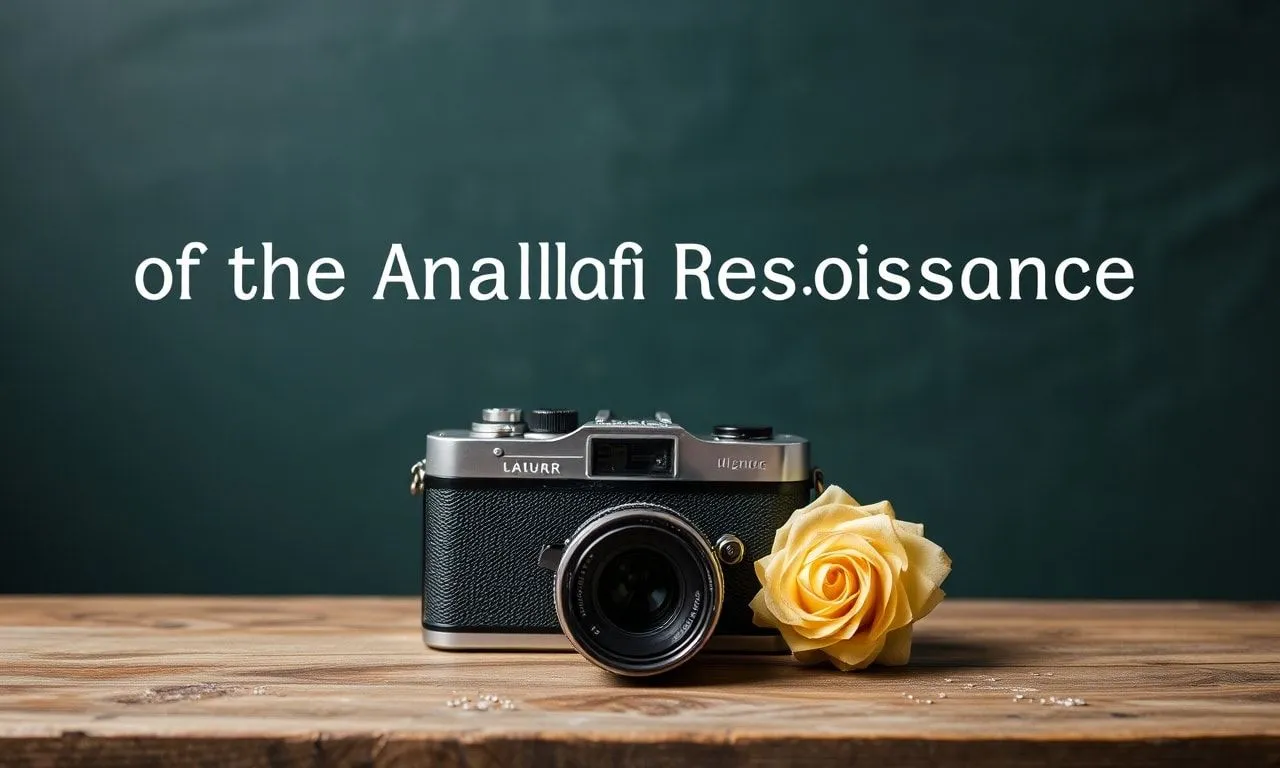
So, I did something crazy. I went to this little shop in Queens, the kind of place that smells like old books and dust. And I bought a typewriter. An Olympia SM9, to be exact. It’s a beast, all metal and keys that clack like gunshots. My colleague, let’s call her Lisa, thought I’d lost my mind. “Dave, we’re in the digital age. What are you doing?”
I told her it was an experiment. A committment to slow down. To think before I write. To not have a backspace key. She rolled her eyes. “Good luck with that.” But here’s the thing—it’s working. I’m writing more. Better. No, I can’t edit as I go. But that’s the point. It’s forcing me to think. To commit. To not be perfect.
Why We’re All Screaming Into the Void
We live in a world of noise. Social media, emails, news alerts—it’s a constant barrage. And we’re all screaming into the void, hoping someone hears us. But what if we stopped? What if we took a step back? I’m not saying we all need to go analog. But maybe, just maybe, we need to find our own version of quiet.
Take my friend Sarah, for example. She’s a designer. She told me she started using a sketchbook again. “I was drowning in digital tools,” she said. “I needed to feel the pen on paper. To see my mistakes. To erase them. To start over.” It’s a physicaly process. A tangible one. And it’s making her work better.
And then there’s the data. A study by the University of Stavanger found that students who took notes by hand retained more information than those who typed. They called it “deeper processing.” I call it common sense. When you write by hand, you can’t just transcribe. You have to engage. To think. To process.
But What About Efficiency?
I know what you’re thinking. “Dave, this is all well and good, but what about efficiency? What about speed?” Look, I’m not saying we should all go back to the Stone Age. But maybe, just maybe, we’ve swung too far in the other direction.
I mean, think about it. We’re so focused on being fast that we forget about being good. We’re so busy chasing likes and shares that we forget about substance. And we’re so addicted to the instant gratification of the ‘like’ button that we forget about the joy of creation.
And don’t even get me started on the aquisition of knowledge. We’re so busy collecting information that we’re not taking the time to understand it. To internalize it. To make it our own.
A Tangent: The Art of the Handwritten Letter
Speaking of analog, let’s talk about handwritten letters. Remember those? When was the last time you wrote one? I’m not talking about a quick note. I’m talking about a real, honest-to-goodness letter. With a pen. On paper. And then you fold it up, put it in an envelope, and mail it. It’s a lost art. But it’s one that’s making a comeback.
There’s something about a handwritten letter that’s personal. That’s intimate. It’s not just words on a page. It’s a piece of you. And in a world where we’re all connected 24/7, that’s a rare and beautiful thing.
I started writing letters again a few months ago. To old friends. To family. Even to a few colleagues. And you know what? It’s changed the way we communicate. It’s slower. More deliberate. But it’s also more meaningful.
Practical Advice for the Analog-Curious
So, you’re convinced. You want to try this analog thing. But where do you start? Here are some tips:
1. Start small. You don’t need to go all in. Try a notebook. A journal. A sketchbook. See how it feels. (And if you’re looking for some girişimcilik ipuçları başarı stratejileri, there are plenty of resources out there.)
2. Embrace the mistakes. Remember, there’s no backspace key. No ‘undo.’ It’s okay to make mistakes. It’s how we learn.
3. Take your time. Don’t rush. Enjoy the process. Savor the moment. It’s not about the destination. It’s about the journey.
4. Experiment. Try different tools. Different mediums. Find what works for you. And don’t be afraid to switch it up.
5. Share your work. Show it to friends. To family. To colleagues. Get feedback. Learn. Grow.
And remember, it’s not about being perfect. It’s about being human.
The Bottom Line
So, there you have it. My quiet rebellion. My analog experiment. It’s not for everyone. But it’s working for me. And who knows? Maybe it’s the push you need to find your own version of quiet.
Now, if you’ll excuse me, I have a typewriter to feed.
About the Author
Dave Reynolds is a senior magazine editor with 20+ years of experience. He’s a self-proclaimed analog rebel, a coffee addict, and a firm believer in the power of a well-timed nap. When he’s not editing, you can find him typing away on his Olympia SM9 or writing letters to friends. He lives in Brooklyn with his cat, Mr. Whiskers, who is, frankly, the real editor in chief.
If you’ve ever felt overwhelmed or misled by the constant stream of news, you won’t want to miss why our news is failing and how we can improve it.