The Evolution of Healthcare Technology
The healthcare industry has undergone a profound transformation over the past few decades, largely driven by technological advancements. From electronic health records (EHRs) to telemedicine, technology has revolutionized the way healthcare is delivered and managed. These innovations have not only improved patient outcomes but have also made healthcare more accessible and efficient.
The Role of Telemedicine in Modern Healthcare
Telemedicine, the practice of caring for patients remotely using telecommunications technology, has become increasingly prevalent. This approach allows healthcare providers to reach patients in remote or underserved areas, providing timely medical advice and treatment. The COVID-19 pandemic accelerated the adoption of telemedicine, demonstrating its critical role in maintaining healthcare services during public health crises.
Benefits of Telemedicine
The benefits of telemedicine are manifold. It reduces the need for in-person visits, which can be particularly beneficial for patients with mobility issues or those living in rural areas. Additionally, telemedicine can lower healthcare costs by reducing the burden on hospitals and clinics. Patients can receive consultations from the comfort of their homes, minimizing travel time and expenses.
Innovations in Medical Devices
Medical devices have also seen significant advancements, with innovations ranging from wearable health monitors to sophisticated imaging equipment. These devices enable early detection and continuous monitoring of various health conditions, leading to better management and treatment outcomes. For instance, wearable devices can track vital signs such as heart rate, blood pressure, and blood glucose levels, providing real-time data to both patients and healthcare providers.
Impact on Patient Care
The integration of advanced medical devices into healthcare practices has had a profound impact on patient care. By providing continuous monitoring and data collection, these devices enable healthcare providers to make more informed decisions. This proactive approach can prevent complications and improve overall patient outcomes. Furthermore, the data collected can be used for research purposes, contributing to the development of new treatments and therapies.
Artificial Intelligence in Healthcare
Artificial Intelligence (AI) is another groundbreaking technology making waves in the healthcare sector. AI algorithms can analyze vast amounts of medical data to identify patterns and predict outcomes, aiding in diagnosis and treatment planning. AI-powered tools can also assist in drug discovery, accelerating the development of new medications and therapies. The potential of AI in healthcare is immense, with applications ranging from personalized medicine to robotic surgery.
Ethical Considerations
While AI offers numerous benefits, it also raises ethical considerations. Issues such as data privacy, algorithmic bias, and the potential for AI to replace human judgment are areas of concern. It is crucial for healthcare providers and policymakers to address these ethical considerations to ensure that AI is used responsibly and ethically in the healthcare sector.
Global Healthcare Innovations
Innovations in healthcare are not limited to any one region. Countries around the world are making significant strides in improving healthcare delivery and outcomes. For example, the birmingham healthcare innovations news highlights the cutting-edge research and development taking place in the UK. These innovations are not only benefiting local populations but are also setting a global standard for healthcare excellence.
Collaboration and Knowledge Sharing
Collaboration and knowledge sharing are essential for advancing healthcare innovations globally. International partnerships and initiatives facilitate the exchange of ideas and best practices, accelerating the development and implementation of new technologies. By working together, healthcare providers, researchers, and policymakers can address global health challenges more effectively.
Conclusion
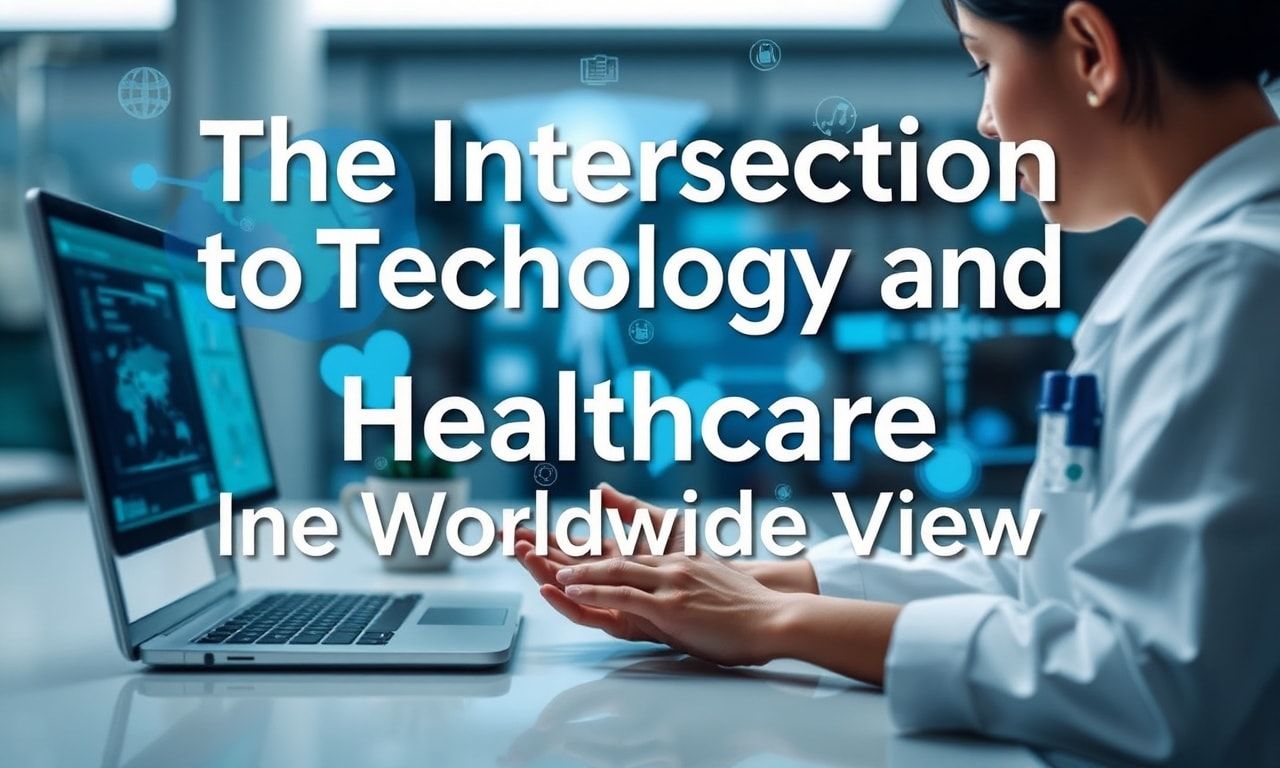
The intersection of technology and healthcare is transforming the way we approach medical care. From telemedicine to AI, these innovations are improving patient outcomes, reducing costs, and making healthcare more accessible. As we continue to explore the potential of these technologies, it is crucial to address ethical considerations and foster global collaboration to ensure that the benefits of healthcare innovations are realized worldwide.
If you’re curious about emerging investment opportunities, consider exploring Qatar’s promising economic landscape and its potential for growth.
Readers interested in this subject may also want to explore Kiina ja sen vaikutus globaaliin talouteen for additional perspectives.