The Evolution of Health and Technology
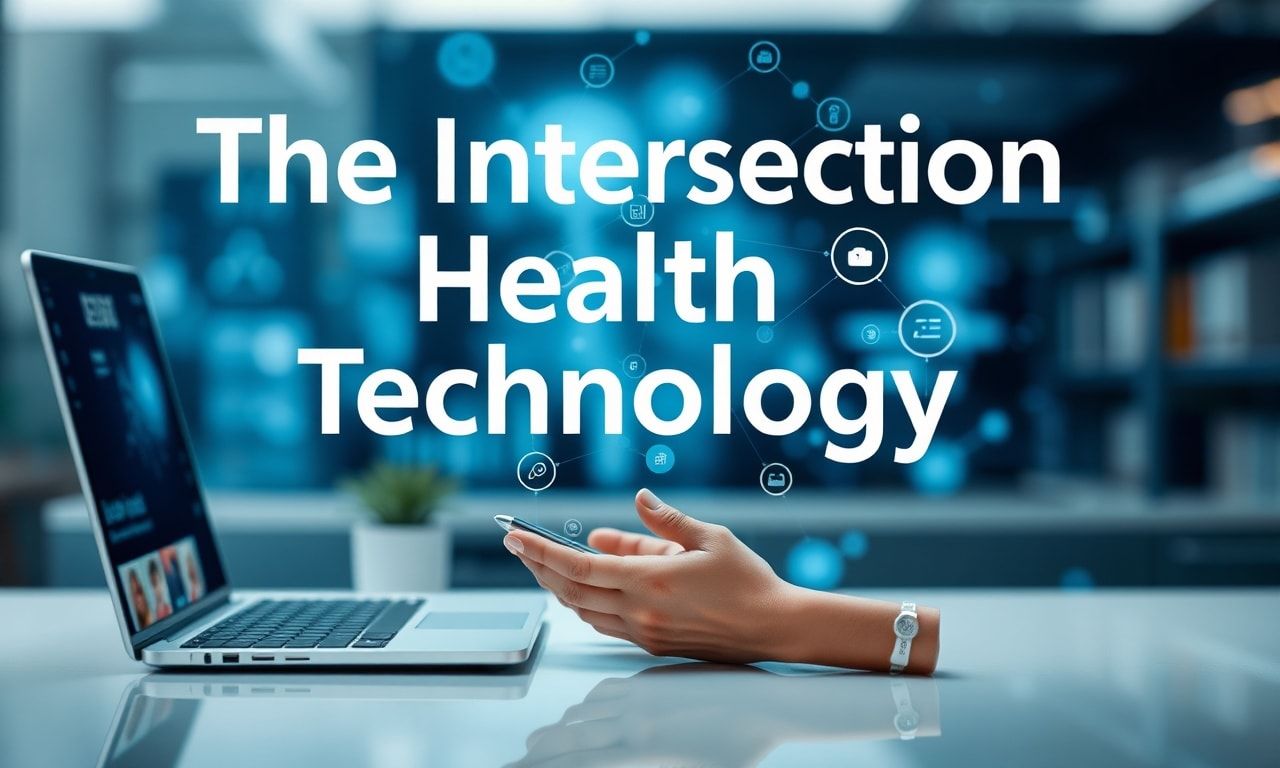
The landscape of health and wellness is undergoing a profound transformation, driven by rapid advancements in technology. From wearable devices that monitor vital signs to sophisticated algorithms that predict health risks, technology is revolutionizing the way we approach well-being. This intersection of health and technology is not just about convenience; it’s about empowering individuals to take control of their health in ways that were previously unimaginable.
The Role of Wearable Technology
Wearable technology has become a cornerstone of modern health management. Devices like smartwatches and fitness trackers are equipped with sensors that can monitor heart rate, sleep patterns, and physical activity. These devices provide real-time data that can help users make informed decisions about their health. For instance, a smartwatch can alert a user to irregular heart rhythms, prompting them to seek medical attention before a serious condition develops. The integration of such technology into daily life is making preventive healthcare more accessible and personalized.
Telemedicine: Bridging the Gap in Healthcare Access
Telemedicine has emerged as a game-changer in the healthcare industry, particularly in remote and underserved areas. Through video consultations, patients can now receive medical advice and treatment from healthcare professionals without the need for physical travel. This not only saves time and resources but also ensures that individuals in remote locations have access to quality healthcare. The COVID-19 pandemic has further accelerated the adoption of telemedicine, highlighting its potential to bridge the gap in healthcare access.
Artificial Intelligence in Health Diagnostics
Artificial Intelligence (AI) is playing an increasingly significant role in health diagnostics. AI algorithms can analyze vast amounts of medical data to identify patterns and predict health risks with remarkable accuracy. For example, AI can be used to detect early signs of diseases like cancer, diabetes, and cardiovascular conditions. This early detection can lead to timely interventions, improving patient outcomes and saving lives. The integration of AI in healthcare is not just about improving diagnostics; it’s about creating a more proactive and preventive approach to health management.
The Importance of Data Privacy
As technology continues to advance, the importance of data privacy cannot be overstated. Health data is highly sensitive and must be protected to ensure patient confidentiality. Healthcare providers and technology companies must implement robust security measures to safeguard patient data from cyber threats. Additionally, regulations like the Health Insurance Portability and Accountability Act (HIPAA) in the United States provide a framework for protecting patient information. Ensuring data privacy is crucial for maintaining trust between patients and healthcare providers.
New Health News on Best Vitamins for Seniors
For seniors, maintaining optimal health is paramount. A balanced diet rich in essential vitamins can significantly improve quality of life. According to new health news on best vitamins for seniors, vitamins D, B12, and calcium are particularly beneficial. Vitamin D helps in bone health and immune function, while B12 supports nerve function and red blood cell production. Calcium is crucial for maintaining bone density and preventing osteoporosis. Incorporating these vitamins into a senior’s diet can lead to better overall health and well-being.
The Future of Health Technology
The future of health technology is bright and full of possibilities. Emerging technologies like nanotechnology, robotics, and virtual reality are set to revolutionize healthcare in ways we can only begin to imagine. Nanotechnology, for instance, could enable targeted drug delivery, reducing side effects and improving treatment efficacy. Robotics can assist in complex surgeries, enhancing precision and reducing recovery times. Virtual reality can be used for therapeutic purposes, such as pain management and mental health treatment. The potential applications are vast, and the future of health technology is limited only by our imagination.
Conclusion
The intersection of health and technology is ushering in a new era of wellness. From wearable devices to AI-driven diagnostics, technology is empowering individuals to take control of their health like never before. As we continue to innovate and integrate technology into healthcare, the potential for improving health outcomes and quality of life is immense. Embracing these advancements is not just about staying ahead of the curve; it’s about creating a healthier, happier future for all.
Curious about the latest dietary trends? Discover the effects of the keto diet with modern health insights in our detailed article.
Discover the future of fashion with our latest feature on wearable tech trends this year, where style meets cutting-edge innovation.
Delve into the rich cultural heritage of Mexico by exploring traditional medicine’s fascinating history, a practice that has been intertwined with the country’s identity for centuries.