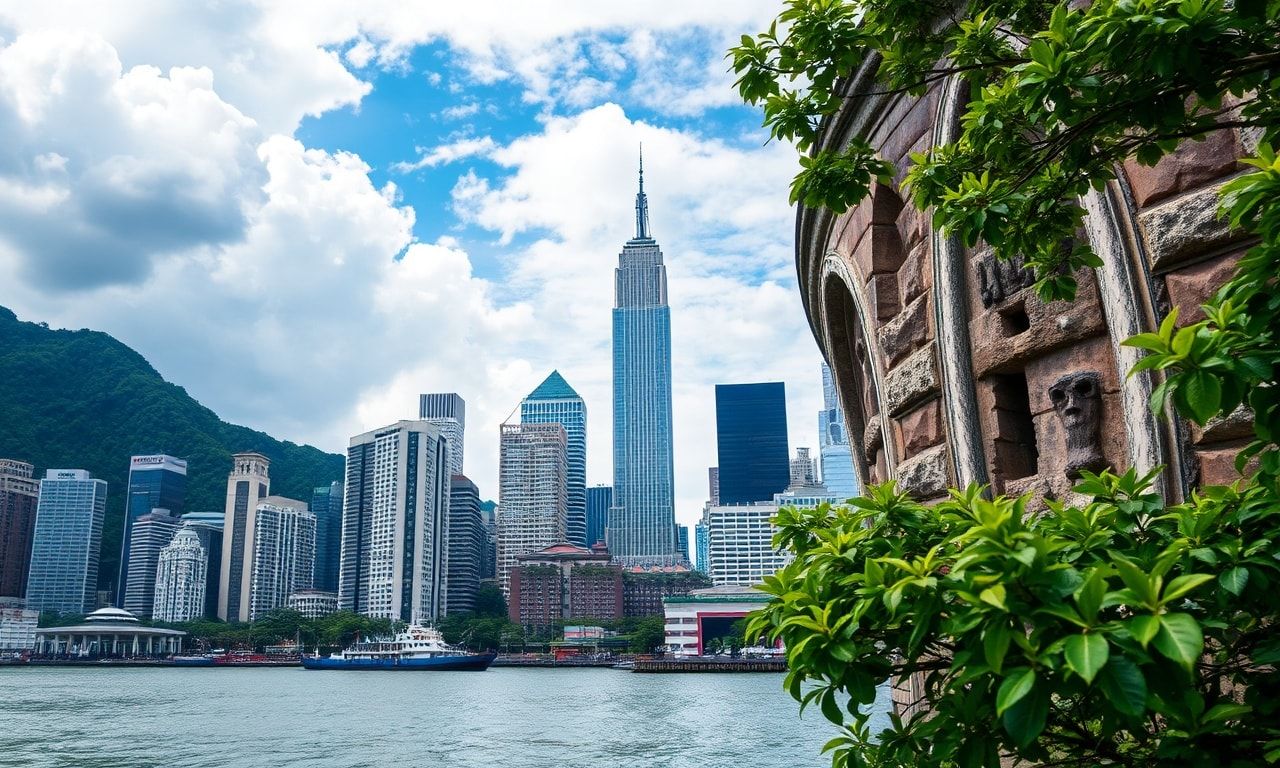
The Melting Pot of Cultures
Indonesia and New York, though worlds apart geographically, share a common thread: they are both vibrant melting pots of cultures. Indonesia, an archipelago of over 17,000 islands, is home to more than 300 ethnic groups, each with its own language, traditions, and customs. Similarly, New York City, a bustling metropolis, is a hub for immigrants from all corners of the globe, contributing to its diverse cultural landscape. This fusion of cultures is evident in the cuisine, arts, and festivals that define these regions.
Geographical Wonders
Indonesia’s geographical diversity is staggering. From the lush rainforests of Sumatra to the volcanic peaks of Java and the pristine beaches of Bali, the country offers a myriad of natural wonders. New York, on the other hand, boasts a different kind of geographical diversity. The state encompasses the towering skyscrapers of Manhattan, the rolling hills of the Hudson Valley, and the serene landscapes of the Adirondack Mountains. Both regions offer unique experiences for travelers seeking to explore the great outdoors.
Culinary Delights
Food is a universal language that brings people together, and both Indonesia and New York have rich culinary traditions. Indonesian cuisine is known for its bold flavors and aromatic spices, with dishes like nasi goreng (fried rice) and rendang (spicy meat curry) being popular favorites. New York, meanwhile, is a food lover’s paradise, offering everything from classic pizza and bagels to high-end dining experiences. The city’s diverse population has also led to a thriving street food scene, where you can find everything from halal carts to tacos and dumplings.
Exploring Unique Flavors
One of the most exciting aspects of exploring Indonesian cuisine is the variety of regional specialties. For instance, Padang cuisine from West Sumatra is known for its rich, spicy flavors, while Javanese cuisine tends to be milder and sweeter. In New York, each borough has its own culinary identity. Brooklyn is famous for its artisanal pizza, while Queens is known for its diverse array of international cuisines. Whether you’re a foodie or just someone who enjoys trying new things, both Indonesia and New York offer a culinary adventure like no other.
Historical Significance
Both Indonesia and New York have played significant roles in shaping world history. Indonesia, with its rich history dating back to ancient kingdoms like Majapahit, has been a crossroads for trade and cultural exchange for centuries. New York, as one of the original 13 colonies, has been a key player in American history, from the Revolutionary War to the present day. Understanding the historical context of these regions can provide a deeper appreciation for their cultural and geographical diversity.
Historical Landmarks
Indonesia is home to numerous historical landmarks, including the ancient Borobudur Temple in Central Java and the majestic Prambanan Temple in Yogyakarta. These sites offer a glimpse into the country’s rich cultural heritage and architectural prowess. New York, meanwhile, boasts iconic landmarks like the Statue of Liberty, Ellis Island, and the Empire State Building. Each of these sites tells a story of immigration, innovation, and resilience, making them must-visit destinations for history buffs.
Interesting Facts and Knowledge
For those interested in delving deeper into the fascinating aspects of Indonesia and New York, there are numerous resources available. For instance, the interesting facts knowledge guide provides a wealth of information on various topics, including geography, history, and culture. Whether you’re planning a trip or simply looking to expand your knowledge, these resources can be invaluable. Additionally, exploring local museums, libraries, and cultural centers can offer a more immersive learning experience.
Conclusion
The intersection of culture and geography in Indonesia and New York offers a rich tapestry of experiences for travelers and enthusiasts alike. From the diverse culinary scenes to the historical landmarks and natural wonders, these regions provide a unique blend of traditions and innovations. By exploring these areas, one can gain a deeper understanding of the world’s cultural and geographical diversity, fostering a greater appreciation for the interconnectedness of our global community.
To understand the vital role of healthcare on a global scale, delve into healthcare’s worldwide significance and its impact on societies.