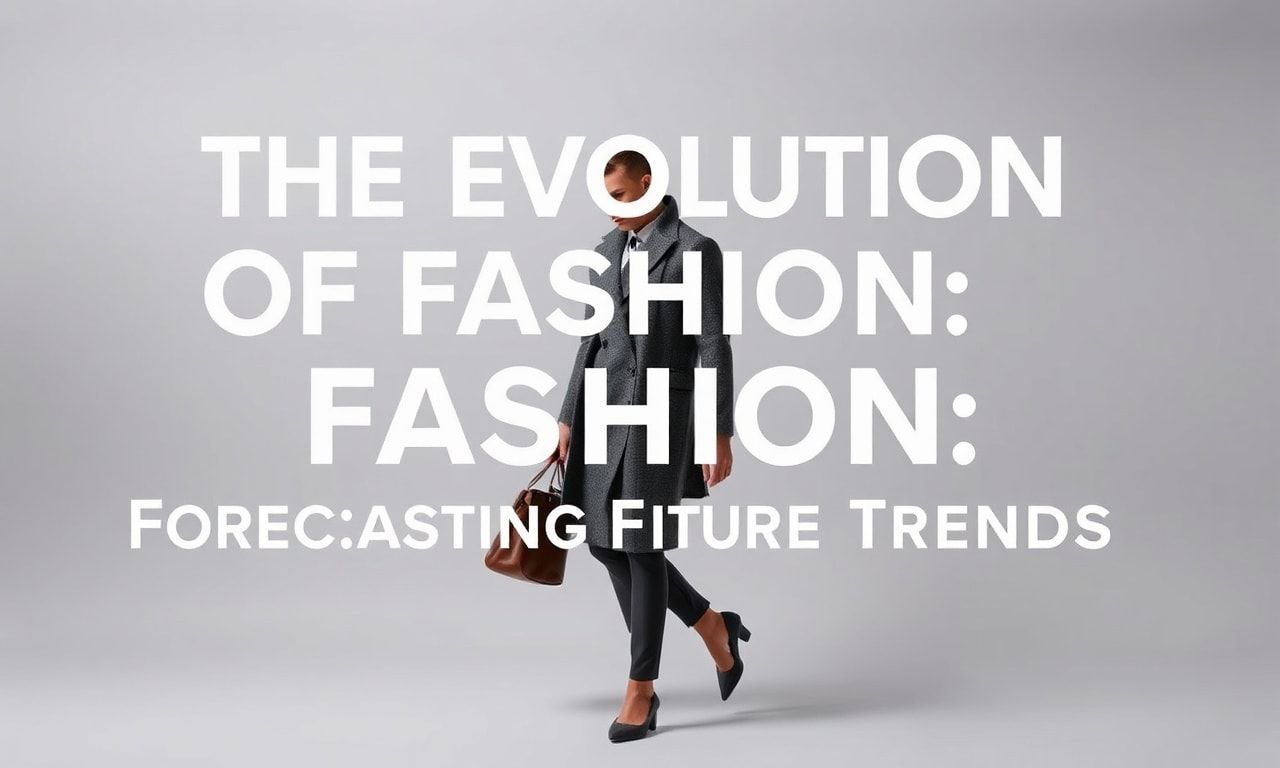
The Ever-Changing Landscape of Fashion
The fashion industry is a dynamic and ever-evolving landscape, constantly influenced by cultural shifts, technological advancements, and societal trends. As we look towards the future, it’s fascinating to speculate on what the next big trends will be. Fashion is not just about clothing; it’s a form of self-expression, a reflection of our times, and a significant economic driver. Understanding the trends that will shape the industry in the coming years can provide valuable insights for designers, retailers, and consumers alike.
Sustainability: A Lasting Trend
One trend that is expected to continue gaining momentum is sustainability. As consumers become more environmentally conscious, there is a growing demand for eco-friendly and ethically produced fashion. This shift is not just a passing fad but a fundamental change in how the industry operates. Brands are increasingly adopting sustainable practices, from using recycled materials to implementing zero-waste production methods. The future of fashion will likely see a greater emphasis on transparency and accountability, with consumers expecting brands to be more open about their supply chains and environmental impact.
Technology and Innovation
Technology is playing an increasingly significant role in the fashion industry. From virtual fashion shows to AI-driven design, the integration of technology is revolutionizing how we create, consume, and experience fashion. Virtual reality (VR) and augmented reality (AR) are enabling consumers to try on clothes virtually, providing a more interactive and personalized shopping experience. Additionally, 3D printing technology is allowing designers to create intricate and unique pieces that would be impossible to produce using traditional methods. As technology continues to advance, we can expect to see even more innovative applications in the fashion world.
The Rise of Digital Fashion
Digital fashion is another exciting development that is gaining traction. With the rise of social media and virtual platforms, digital fashion allows consumers to express their style in the digital realm. Virtual clothing and accessories can be purchased and worn in online environments, such as video games and virtual reality spaces. This trend is particularly popular among younger generations who are more comfortable navigating digital landscapes. As the line between the physical and digital worlds continues to blur, digital fashion is poised to become a significant segment of the industry.
Cultural Influences and Diversity
Fashion has always been influenced by cultural trends, and this is expected to continue in the future. As the world becomes more interconnected, there is a greater appreciation for diverse cultural expressions. Designers are increasingly drawing inspiration from various cultures, resulting in a more inclusive and diverse fashion landscape. This trend is not only enriching the industry but also promoting cultural understanding and appreciation. Consumers are also seeking out brands that celebrate diversity and represent a wide range of identities. In the future, we can expect to see more collaborations between designers from different cultural backgrounds, leading to a richer and more vibrant fashion scene.
2026 Summer Fashion Trends
Looking ahead to the summer of 2026, there are several exciting trends on the horizon. According to 2026 yaz giysileri trendleri incelemesi, we can expect to see a resurgence of bold colors and vibrant patterns, reflecting a sense of optimism and joy. Lightweight and breathable fabrics will be popular, as consumers prioritize comfort and functionality in their summer wardrobes. Additionally, there will be a focus on versatile pieces that can be easily mixed and matched, allowing for greater flexibility in styling. Accessories will also play a significant role, with statement pieces adding a touch of individuality to outfits.
The Future of Fashion Retail
The retail landscape is also undergoing significant changes, driven by the rise of e-commerce and the need for more sustainable practices. Physical stores are evolving to provide more immersive and interactive experiences, while online retailers are leveraging technology to enhance the shopping experience. Personalization is key, with consumers expecting tailored recommendations and customized products. The future of fashion retail will likely see a greater emphasis on omnichannel strategies, seamlessly integrating online and offline shopping experiences. Additionally, there will be a focus on creating more sustainable and circular business models, such as rental services and resale platforms.
Conclusion
The fashion industry is on the cusp of an exciting transformation, driven by sustainability, technology, and cultural influences. As we look towards the future, it’s clear that the trends shaping the industry will be diverse and dynamic. From digital fashion to innovative retail strategies, the next decade promises to be a thrilling time for fashion. By staying informed and adaptable, designers, retailers, and consumers can navigate this ever-changing landscape and contribute to a more sustainable and inclusive fashion future.
Curious about what’s next in fashion? Our latest feature, future fashion trends revealed, offers a fascinating glimpse into the style predictions for 2026.
If you’re a dog owner or simply curious about the legal aspects of dog bites, our latest article explains dog bite laws in detail, helping you understand your rights and responsibilities.
Curious about recent advancements in energy? Discover the latest developments in Azerbaijan’s energy sector through our detailed article, Azerbaijan’s energy sector innovations.