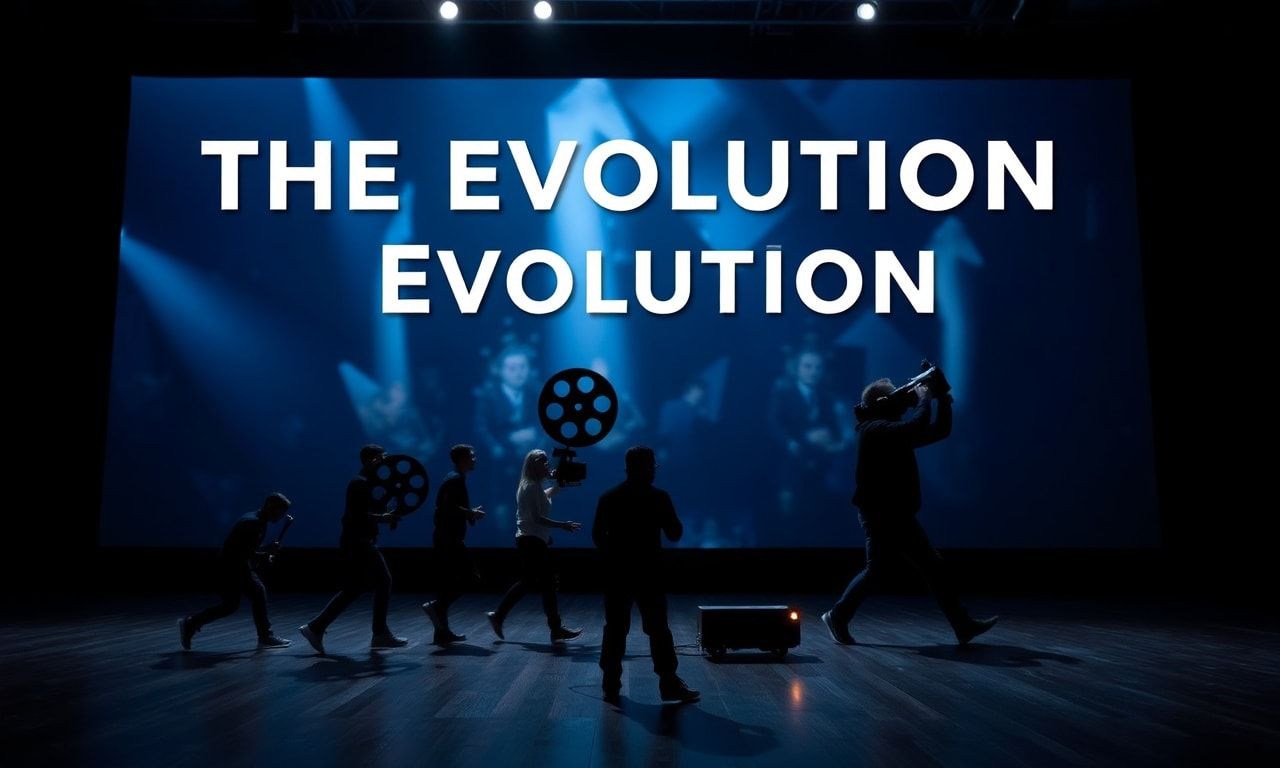
The Golden Age of Cinema
The cinema industry has undergone a remarkable transformation since its inception in the late 19th century. The golden age of cinema, spanning from the 1920s to the 1960s, was a period of significant innovation and artistic achievement. This era saw the introduction of synchronized sound, color, and widescreen formats, which revolutionized the moviegoing experience. Iconic films like “Gone with the Wind” and “Casablanca” emerged during this time, leaving an indelible mark on the industry.
The golden age also witnessed the rise of Hollywood as the epicenter of film production. Studios like MGM, Warner Bros., and Paramount dominated the market, producing a steady stream of films that captivated audiences worldwide. The star system flourished, with actors like Marilyn Monroe, Humphrey Bogart, and Audrey Hepburn becoming household names. The glamour and allure of Hollywood during this period continue to captivate film enthusiasts and historians alike.
The Digital Revolution
The advent of digital technology in the late 20th century marked another pivotal moment in the evolution of cinema. The transition from film to digital formats offered filmmakers new creative possibilities and streamlined the production process. Digital cameras, editing software, and visual effects tools enabled filmmakers to push the boundaries of storytelling and visual artistry.
One of the most significant advancements in digital cinema was the introduction of computer-generated imagery (CGI). CGI allowed filmmakers to create stunning visual effects that were previously unimaginable. Blockbuster films like “Jurassic Park” and “Avatar” showcased the potential of CGI, setting new standards for visual spectacle. The digital revolution also democratized filmmaking, making it more accessible to independent filmmakers and aspiring artists.
The Impact of Streaming Services
The rise of streaming services in the 21st century has further transformed the cinema landscape. Platforms like Netflix, Amazon Prime, and Disney+ have changed the way audiences consume content, offering a vast library of films and television shows at the click of a button. This shift has led to a decline in traditional theatrical releases, as more viewers opt for the convenience of streaming from home.
However, the cinema experience remains a cherished tradition for many film enthusiasts. The communal aspect of watching a film in a theater, complete with a large screen and surround sound, offers an immersive experience that streaming cannot replicate. To stay competitive, theaters have introduced premium formats like IMAX, 4DX, and Dolby Cinema, which enhance the viewing experience with advanced technology and immersive effects.
The Future of Cinema
The future of cinema is poised for even more innovation, with emerging technologies like virtual reality (VR) and augmented reality (AR) set to revolutionize the way we experience films. VR technology allows viewers to step into the world of a film, offering an interactive and immersive experience. AR, on the other hand, enhances the real world with digital elements, creating a blended reality that can be applied to film marketing and promotional activities.
As we look ahead to the next decade, it is essential to consider the potential impact of these technologies on the cinema industry. The cost of sinema biletleri fiyatları 2026 may be influenced by the adoption of VR and AR, as theaters invest in new equipment and infrastructure to support these technologies. Additionally, the rise of virtual cinemas and online film festivals may change the way we engage with cinema, offering new opportunities for global collaboration and cultural exchange.
The Role of Artificial Intelligence
Artificial intelligence (AI) is another technology that is set to transform the cinema industry. AI can be used to analyze audience preferences and tailor content to individual viewers, creating a more personalized viewing experience. AI-powered algorithms can also assist in the filmmaking process, from scriptwriting to post-production, streamlining workflows and enhancing creativity.
As AI continues to evolve, it will be interesting to see how it shapes the future of cinema. The potential for AI to revolutionize the industry is vast, and its impact will be felt across all aspects of film production and distribution. However, it is essential to strike a balance between the use of technology and the preservation of the human touch that makes cinema such a powerful and emotive art form.
Conclusion
The evolution of cinema is a testament to the industry’s ability to adapt and innovate in response to changing technologies and audience preferences. From the golden age of Hollywood to the digital revolution and the rise of streaming services, cinema has continually evolved to meet the needs of its audiences. As we look to the future, emerging technologies like VR, AR, and AI promise to transform the cinema experience once again, offering new possibilities for storytelling and engagement.
The cinema industry’s resilience and creativity have ensured its continued relevance in an ever-changing world. As we embrace the opportunities and challenges that lie ahead, it is essential to preserve the magic of cinema and the unique experience it offers. Whether in a traditional theater or a virtual reality setting, the power of cinema to captivate, inspire, and connect us remains as strong as ever.
Intrigued by the evolving landscape of entertainment? Discover how technology is reshaping our leisure time in tech’s impact on entertainment.
In our increasingly digital world, understanding the role of computers is more important than ever; discover why with computers in our digital lives.
If you’re curious about the magic behind cinema, don’t miss our latest piece how films tell stories that delves into the art of filmmaking and its impact on our imagination.