The Timeless Appeal of Sculpture
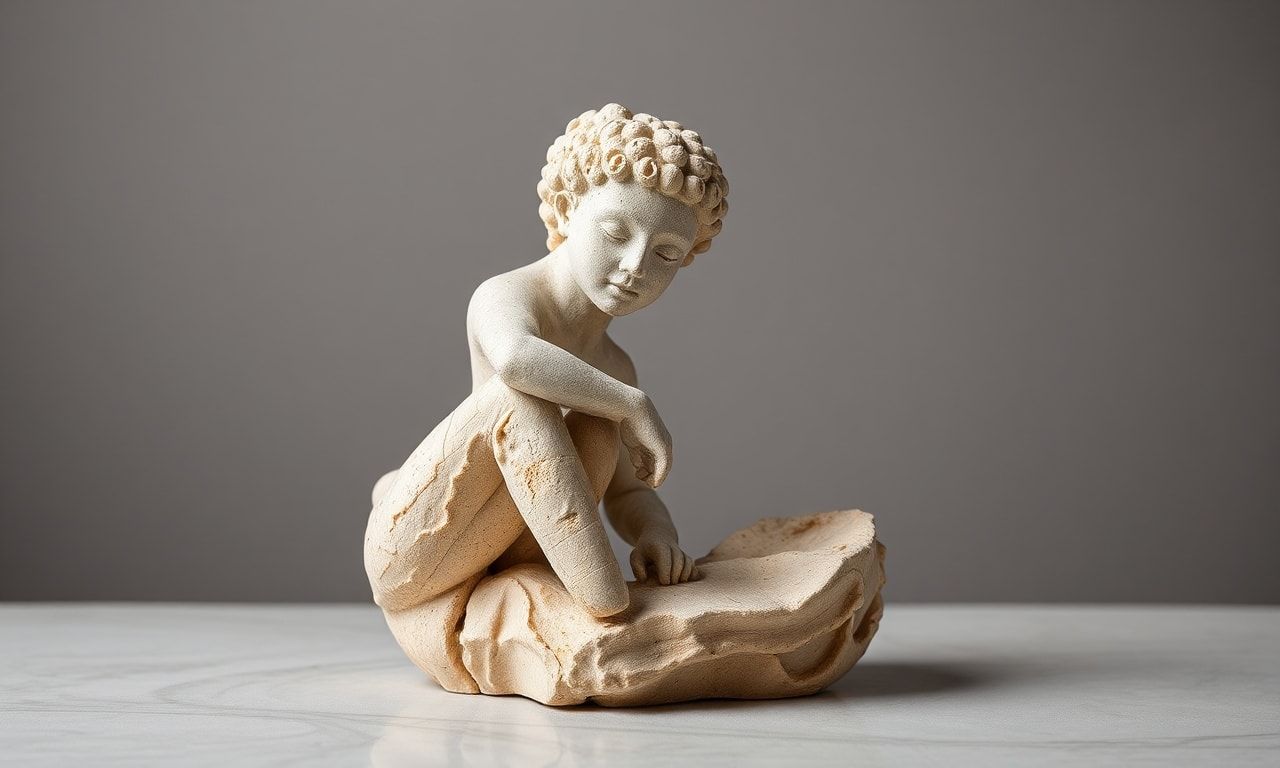
Sculpture, one of the oldest forms of artistic expression, has captivated humanity for millennia. From the ancient civilizations of Egypt and Greece to the modern art scenes of today, sculpture has evolved and adapted, reflecting the cultural and technological advancements of each era. This article delves into the world of sculpture, exploring various techniques, materials, and the creative processes that bring three-dimensional art to life.
Understanding Sculpture Techniques
Sculpture techniques can be broadly categorized into several methods, each offering unique advantages and challenges. The choice of technique often depends on the artist’s vision, the materials at hand, and the desired outcome. Here are some of the most common techniques:
Carving
Carving involves removing material from a solid block to reveal the final form. This technique is often used with materials like stone, wood, and ivory. Artists use tools such as chisels, mallets, and rotary tools to meticulously shape the material. The process requires patience and precision, as any mistake can be difficult to rectify.
Modeling
Modeling involves adding material to create a form, typically using malleable materials like clay or wax. This technique allows for more flexibility and experimentation, as the artist can easily adjust and refine the shape. Once the desired form is achieved, the model can be cast in more durable materials like bronze or plaster.
Assembly
Assembly, also known as construction or constructional sculpture, involves putting together separate pieces to create a whole. This technique is often used with materials like metal, wood, and found objects. Artists may use welding, soldering, or adhesive to join the components. Assembly allows for a high degree of creativity and innovation, as artists can combine disparate elements to create something entirely new.
Casting
Casting involves pouring a liquid material into a mold and allowing it to harden. This technique is commonly used with materials like bronze, plaster, and resin. The process begins with creating a model, which is then used to make a mold. Once the mold is ready, the liquid material is poured in and allowed to set. Casting is particularly useful for creating multiple copies of a sculpture.
Exploring Sculpture Materials
The choice of material can significantly impact the final outcome of a sculpture. Different materials offer unique textures, durability, and aesthetic qualities. Here are some of the most commonly used materials in sculpture:
Stone
Stone has been a favored material for sculptors throughout history. Its durability and natural beauty make it an ideal choice for monumental and outdoor sculptures. Common types of stone used in sculpture include marble, limestone, and granite. Each type of stone has its own characteristics, requiring different tools and techniques for carving.
Wood
Wood is a versatile and accessible material for sculptors. It can be carved, carved, or assembled to create a wide range of forms. Different types of wood offer varying textures and grain patterns, adding to the uniqueness of each piece. Wood is also relatively lightweight, making it easier to handle and transport compared to stone.
Metal
Metal is a durable and malleable material that can be used to create intricate and large-scale sculptures. Common metals used in sculpture include bronze, iron, and aluminum. Metal can be cast, welded, or assembled to achieve the desired form. Its strength and longevity make it a popular choice for outdoor and public art installations.
Clay
Clay is a popular material for modeling and is often used to create initial models for casting. It is malleable and easy to work with, allowing artists to experiment with different forms and textures. Once the desired shape is achieved, the clay model can be cast in more durable materials. Clay is also used for creating ceramic sculptures, which are fired in a kiln to achieve their final form.
Plaster
Plaster is a versatile material that can be used for both modeling and casting. It is easy to work with and can be carved, molded, or cast to create a variety of forms. Plaster is often used for creating molds and for making initial models that will later be cast in other materials. Its relatively low cost and accessibility make it a popular choice for artists and students.
The Creative Process of Sculpting
Creating a sculpture involves a series of steps, from conceptualization to the final touches. Understanding this process can provide insight into the artist’s creative journey and the challenges they face. Here are the key stages of the sculpting process:
Conceptualization
The first step in creating a sculpture is conceptualization. The artist begins with an idea or inspiration, which they develop into a detailed plan. This may involve sketching, research, and experimentation with different materials and techniques. The artist considers the purpose of the sculpture, its intended audience, and the message they wish to convey.
Modeling
Once the concept is finalized, the artist creates a model or maquette. This is a small-scale version of the final sculpture, allowing the artist to refine the design and work out any issues before committing to the final piece. The model can be made from a variety of materials, including clay, wax, or plaster.
Choosing Materials and Techniques
Based on the concept and the model, the artist selects the appropriate materials and techniques for the final sculpture. This decision is influenced by factors such as the size and complexity of the sculpture, the desired aesthetic, and the intended location. For example, a sculpture intended for outdoor display may require more durable materials like stone or metal.
Execution
The execution phase involves bringing the model to life using the chosen materials and techniques. This can be a time-consuming and labor-intensive process, requiring skill, patience, and attention to detail. The artist works meticulously, making adjustments and refinements as needed to achieve the desired outcome.
Finishing Touches
Once the sculpture is complete, the artist applies the finishing touches. This may involve smoothing surfaces, adding texture, or applying a protective coating. The artist also considers the presentation of the sculpture, including the base or pedestal and the overall display. For sculptures intended for outdoor display, the artist may need to consider factors such as weather resistance and durability.
Resources for Aspiring Sculptors
For those interested in exploring the art of sculpture, there are numerous resources available to help develop skills and techniques. Whether you are a beginner or an experienced artist looking to expand your knowledge, these resources can provide valuable guidance and inspiration.
Books and Guides
Books and guides offer a wealth of information on sculpture techniques, materials, and history. They can provide step-by-step instructions, tips, and insights from experienced artists. One such resource is the sculpture techniques materials guide, which offers comprehensive information on various techniques and materials used in sculpture. Other notable books include “The Complete Sculptor” by Harold O’Connor and “Sculpture: From the Classical to the Contemporary” by Paul Goldberger.
Workshops and Classes
Workshops and classes provide hands-on experience and personalized instruction from experienced artists. They offer a supportive environment for learning and experimenting with different techniques and materials. Many art schools, community centers, and cultural institutions offer sculpture classes for all skill levels. Online platforms like Skillshare and Udemy also offer virtual classes and tutorials.
Online Communities and Forums
Online communities and forums provide a platform for artists to share their work, exchange ideas, and seek advice. They offer a supportive and collaborative environment for learning and growth. Some popular online communities for sculptors include the Sculpture Forum, the Sculpture Society, and various Facebook groups dedicated to sculpture.
Museums and Galleries
Museums and galleries offer a wealth of inspiration and knowledge for aspiring sculptors. They showcase a wide range of sculptures from different eras and styles, providing insight into the creative process and the evolution of sculpture. Visiting museums and galleries can be a valuable learning experience, offering opportunities to study techniques, materials, and artistic approaches.
Conclusion
Sculpture is a timeless art form that continues to captivate and inspire. From ancient civilizations to modern art scenes, sculpture has evolved and adapted, reflecting the cultural and technological advancements of each era. Understanding the techniques, materials, and creative processes involved in sculpture can provide a deeper appreciation for this art form. Whether you are an aspiring sculptor or simply an admirer of art, exploring the world of sculpture can be a rewarding and enriching experience.
Delve into the rich heritage of a fascinating nation by exploring Bangladesh’s cultural tapestry and traditions, a topic that offers a captivating glimpse into its history and customs.
Dive into the world of entertainment with our latest feature on cinema, music, and games, where we explore the trends and highlights that are shaping the industry today.