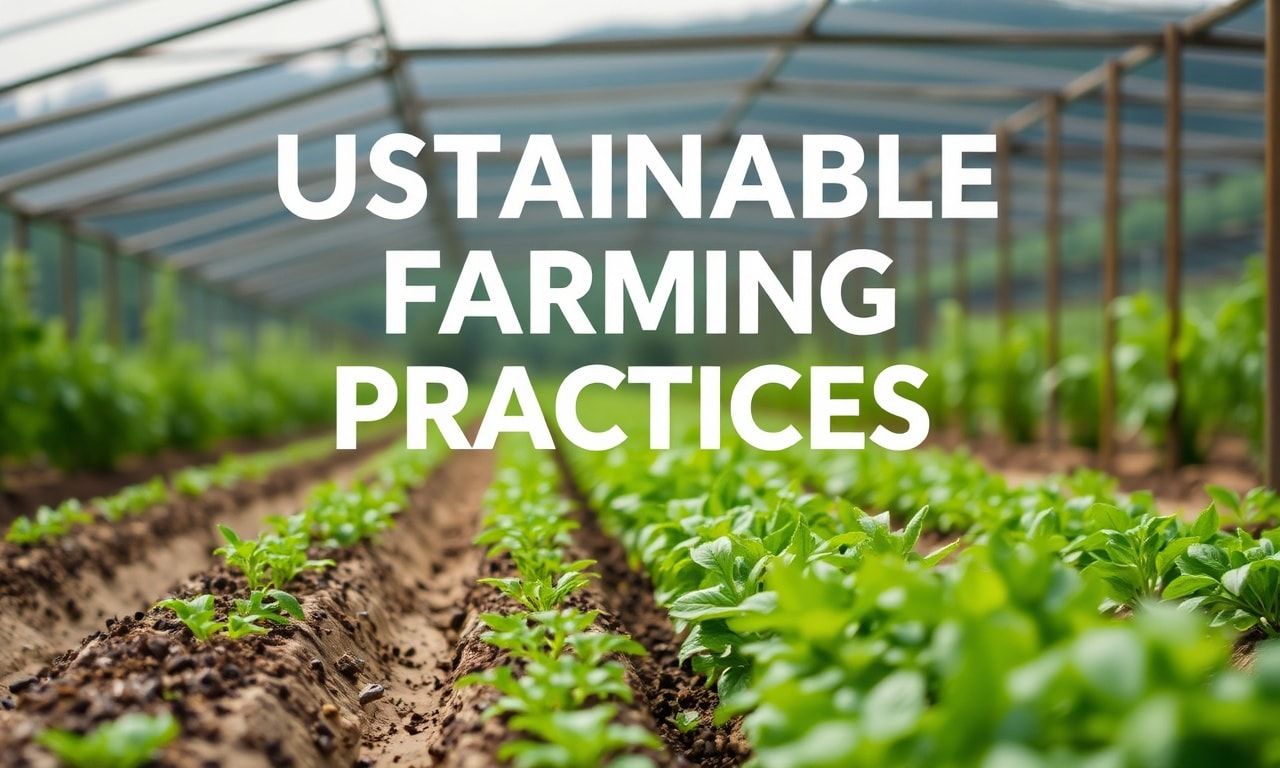
The Importance of Sustainable Farming
In an era where climate change and environmental degradation are at the forefront of global concerns, sustainable farming practices have become more crucial than ever. These practices not only help in preserving the environment but also ensure food security and economic stability for future generations. Sustainable farming encompasses a wide range of techniques and methods that aim to minimize the negative impact on the environment while maximizing productivity.
Understanding Sustainable Farming
Sustainable farming is an approach that focuses on producing food, fiber, and other plant or animal products using farming techniques that protect the environment, public health, human communities, and animal welfare. This approach involves a holistic perspective that considers the long-term effects of agricultural practices on the ecosystem. Key principles of sustainable farming include:
- Soil Health: Maintaining and improving soil fertility through practices like crop rotation, cover cropping, and reduced tillage.
- Water Management: Efficient use of water resources, including rainwater harvesting and drip irrigation.
- Biodiversity: Promoting biodiversity by creating habitats for beneficial insects, birds, and other wildlife.
- Energy Efficiency: Reducing energy consumption through the use of renewable energy sources and energy-efficient machinery.
- Waste Reduction: Minimizing waste through composting, recycling, and integrated pest management.
Challenges in Sustainable Farming
Despite its numerous benefits, sustainable farming faces several challenges. One of the primary obstacles is the initial cost and investment required to transition from conventional farming methods to sustainable practices. Farmers often need to invest in new equipment, training, and infrastructure, which can be a significant financial burden. Additionally, there is a lack of awareness and understanding among some farmers about the long-term benefits of sustainable practices.
Another challenge is the need for policy support and incentives from governments and agricultural organizations. Policies that promote sustainable farming practices, such as subsidies, tax incentives, and research funding, can encourage more farmers to adopt these methods. Furthermore, market demand and consumer education play a crucial role in driving the adoption of sustainable farming. Consumers need to be aware of the benefits of sustainably produced food and be willing to pay a premium for these products.
Innovative Practices in Sustainable Farming
Innovative practices are continually being developed to enhance the sustainability of farming. One such practice is chia seed farming for flood irrigation, which utilizes flood irrigation to grow chia seeds, a highly nutritious crop. This method not only conserves water but also improves soil health and reduces the need for chemical fertilizers. Other innovative practices include:
- Aquaponics: A system that combines aquaculture (raising fish) with hydroponics (growing plants in water) in a symbiotic environment.
- Agroforestry: Integrating trees with crops and livestock to create a more diverse and resilient farming system.
- Precision Agriculture: Using technology such as GPS, sensors, and drones to optimize crop yields and reduce resource waste.
- Regenerative Agriculture: Focuses on rebuilding soil organic matter and restoring degraded soil biodiversity, resulting in both carbon drawdown and improving the water cycle.
Benefits of Sustainable Farming
The benefits of sustainable farming are manifold. For the environment, sustainable practices help in reducing greenhouse gas emissions, conserving water, and protecting biodiversity. They also contribute to mitigating climate change by sequestering carbon in the soil. For farmers, sustainable farming can lead to increased productivity, reduced input costs, and improved resilience to climate change. Additionally, it can enhance the quality of life for farming communities by promoting healthier living conditions and economic stability.
For consumers, sustainably produced food is often of higher quality and nutritional value. It is also free from harmful chemicals and pesticides, making it a healthier choice. Supporting sustainable farming practices can also contribute to a more equitable and just food system, ensuring that farmers receive fair prices for their produce and that consumers have access to affordable, nutritious food.
The Future of Sustainable Farming
The future of sustainable farming looks promising, with increasing awareness and support from governments, organizations, and consumers. Advances in technology and research are continually providing new tools and methods to enhance the sustainability of farming practices. As the world grapples with the challenges of climate change and environmental degradation, sustainable farming offers a beacon of hope for a greener, more sustainable future.
In conclusion, sustainable farming practices are essential for ensuring the long-term health of our planet and its inhabitants. By adopting these practices, we can create a more resilient and sustainable food system that benefits farmers, consumers, and the environment. It is a collective effort that requires the participation and support of everyone, from policymakers to consumers, to ensure a sustainable future for generations to come.
If you enjoyed this article, we recommend checking out Uusi Suomi: Kestävän elämäntavan hyvät puolet for further reading.