In the heart of Queens, where over 200 languages are spoken and communities from every corner of the globe intersect, a quiet revolution of compassion is taking place. Amid the bustle of Jackson Heights and Elmhurst, volunteers are stepping up to support Indian hospital patients, bridging language barriers and easing the healthcare journey for some of the borough’s most vulnerable residents. The Indian Hospital Volunteer Program Queens: Patient Support has become an indispensable lifeline, connecting patients with culturally sensitive care and practical assistance. From helping with complex hospital forms to simply offering a familiar voice in an unfamiliar setting, these volunteers are making a tangible difference in the daily lives of diverse New Yorkers. In a city where one in four residents is foreign-born, initiatives like this remind us of the power of community support. The Indian Hospital Volunteer Program Queens: Patient Support is more than just a volunteer initiative; it’s a testament to the resilience and generosity of New Yorkers who understand that healthcare is not just about medicine, but about human connection.
Community Volunteers Bridge Cultural Gaps in Queens Hospitals
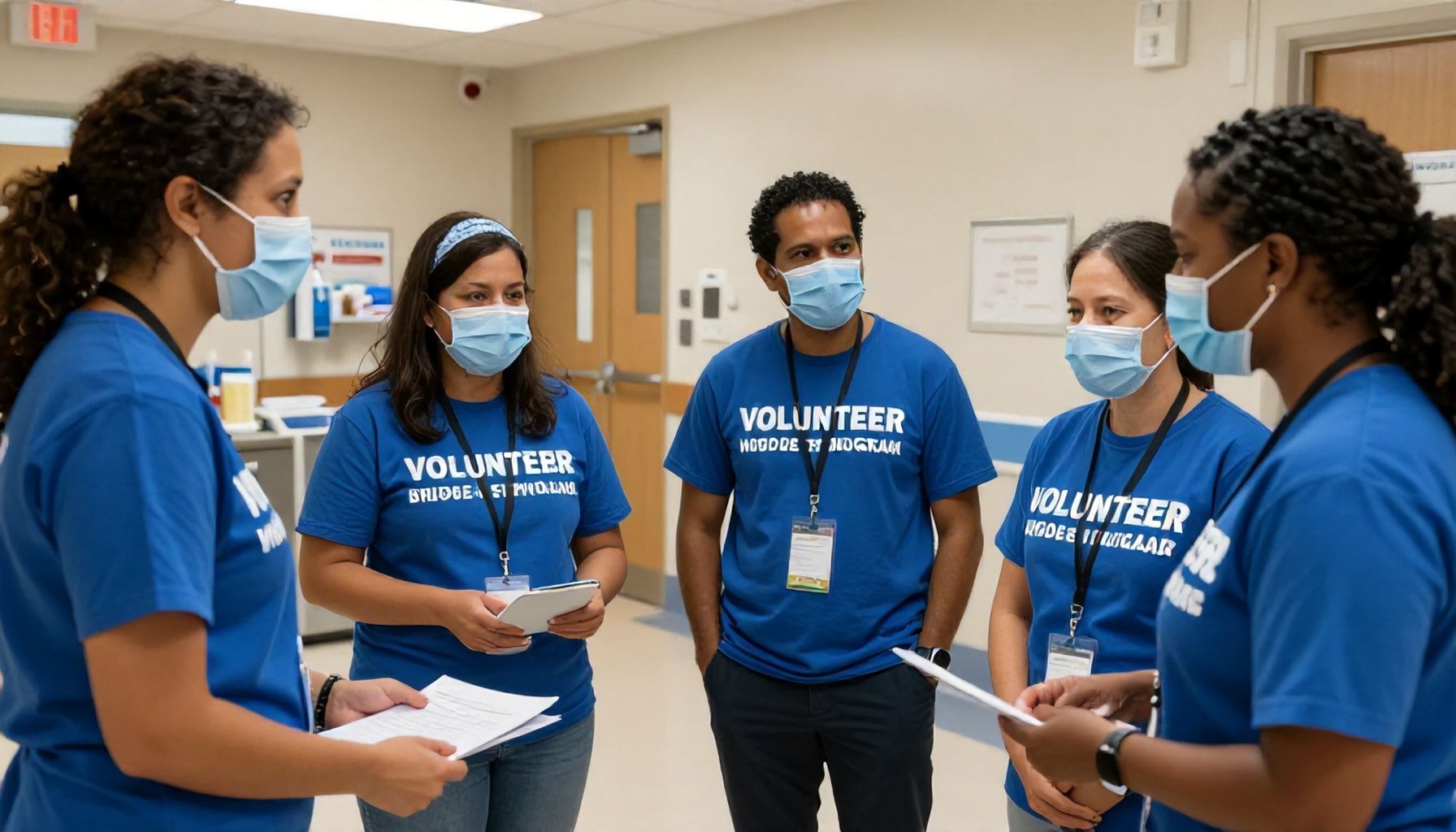
In the bustling heart of Queens, a quiet revolution is taking place within the walls of local hospitals. Volunteers from the Indian community are stepping up to bridge cultural and linguistic gaps, ensuring patients receive compassionate care that resonates with their backgrounds. This initiative, part of the Indian Hospital Volunteer Program, is making a tangible difference in neighborhoods like Jackson Heights and Elmhurst, where a significant South Asian population resides.
One such volunteer, Priya Patel, spends her weekends at Elmhurst Hospital, assisting staff and patients alike. “Many of our elders struggle with English,” Patel explains. “They feel more comfortable expressing their symptoms and concerns in their native languages. Being able to facilitate that communication is incredibly rewarding.” The program, which began in 2018, has seen a steady increase in volunteers, with over 150 individuals currently lending their time and skills.
According to a recent report by the NYC Health Department, language barriers can significantly impact healthcare outcomes. The Indian Hospital Volunteer Program aims to mitigate this issue by providing multilingual support. Volunteers assist with translation, help patients navigate hospital procedures, and offer emotional support to families. Their efforts have not gone unnoticed. “The volunteers are a vital part of our healthcare team,” says Dr. Raj Mehta, a physician at Jackson Heights Medical Center. “They bring cultural competency and a deep understanding of our patients’ needs.”
For many volunteers, the program is more than just a way to give back—it’s a chance to connect with their community. “I’ve made lifelong friends through this program,” says volunteer Arjun Kapoor. “We share a common goal: to ensure our community members receive the best possible care.” With the continued support of local hospitals and community organizations, the Indian Hospital Volunteer Program is set to expand its reach, touching even more lives in the diverse tapestry of Queens.
How Local Efforts Improve Patient Care for Indian Community
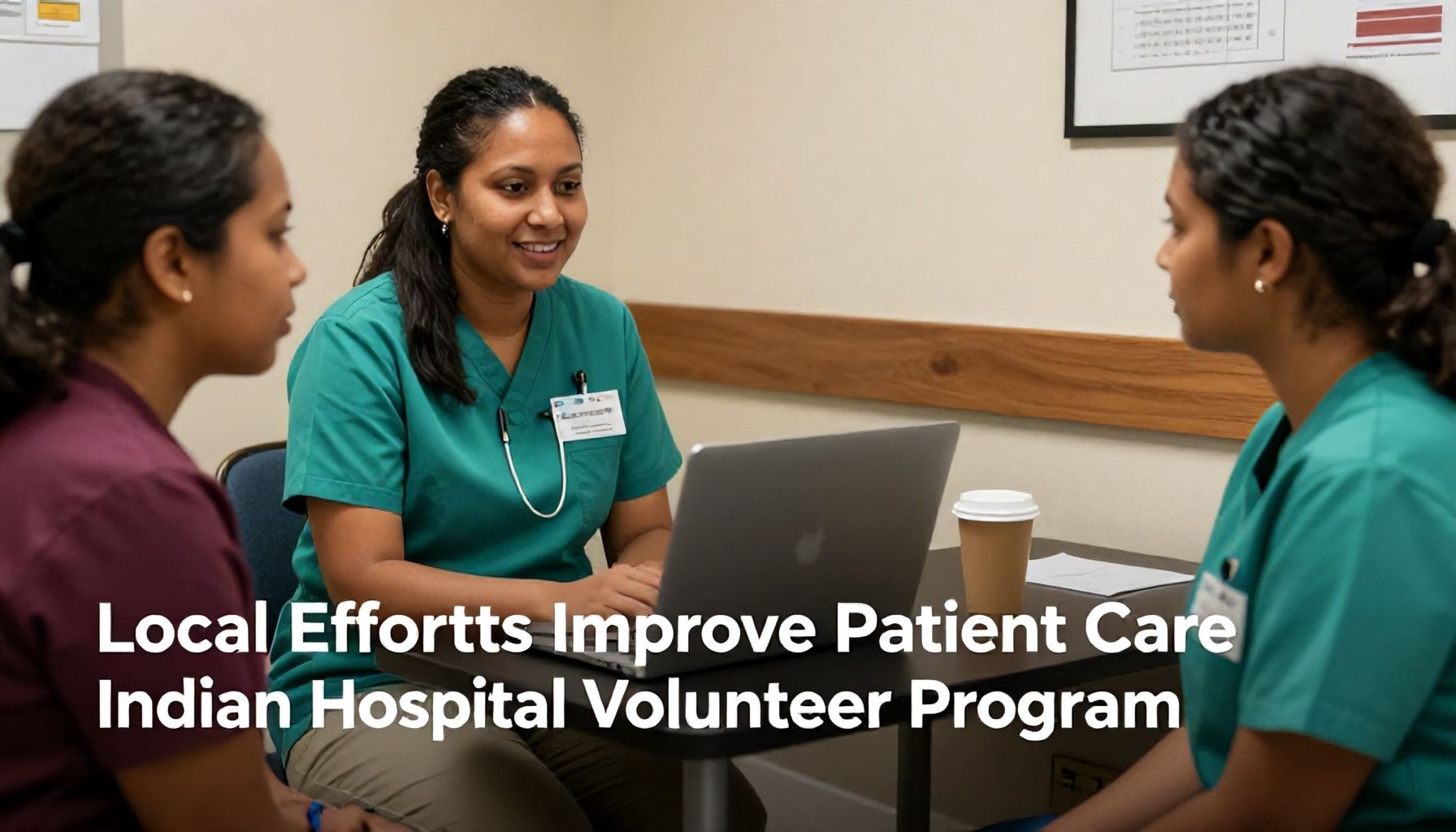
In the heart of Queens, a dedicated group of volunteers is bridging cultural gaps and improving patient care for Indian hospital patients. The Indian Hospital Volunteer Program, based in Jackson Heights, has become a lifeline for many in the community, offering crucial support to patients and their families navigating the complex healthcare system.
Volunteers, many of whom are immigrants themselves, provide a range of services. They assist with language translation, help patients understand medical procedures, and offer emotional support. “We’ve seen firsthand how a familiar face and a comforting voice can make a world of difference,” says Rina Patel, a longtime volunteer. The program’s impact is significant, with data from the NYC Health Department showing that patients with cultural and linguistic support have better health outcomes and lower readmission rates.
The program’s success lies in its deep understanding of the community’s unique needs. From coordinating with local organizations like Chhaya CDC to providing resources on housing and legal services, the volunteers go above and beyond. They also offer workshops on health literacy and preventive care, empowering community members to take charge of their well-being. “It’s about more than just hospital visits,” explains volunteer Ajay Kumar. “It’s about building a healthier, more informed community.”
With over 100 active volunteers, the Indian Hospital Volunteer Program is a testament to the power of community-driven initiatives. Their work not only improves patient care but also fosters a sense of belonging and support among Queens’ diverse Indian population. For more information or to volunteer, visit their website or contact them directly.
Three Ways New Yorkers Can Support the Program
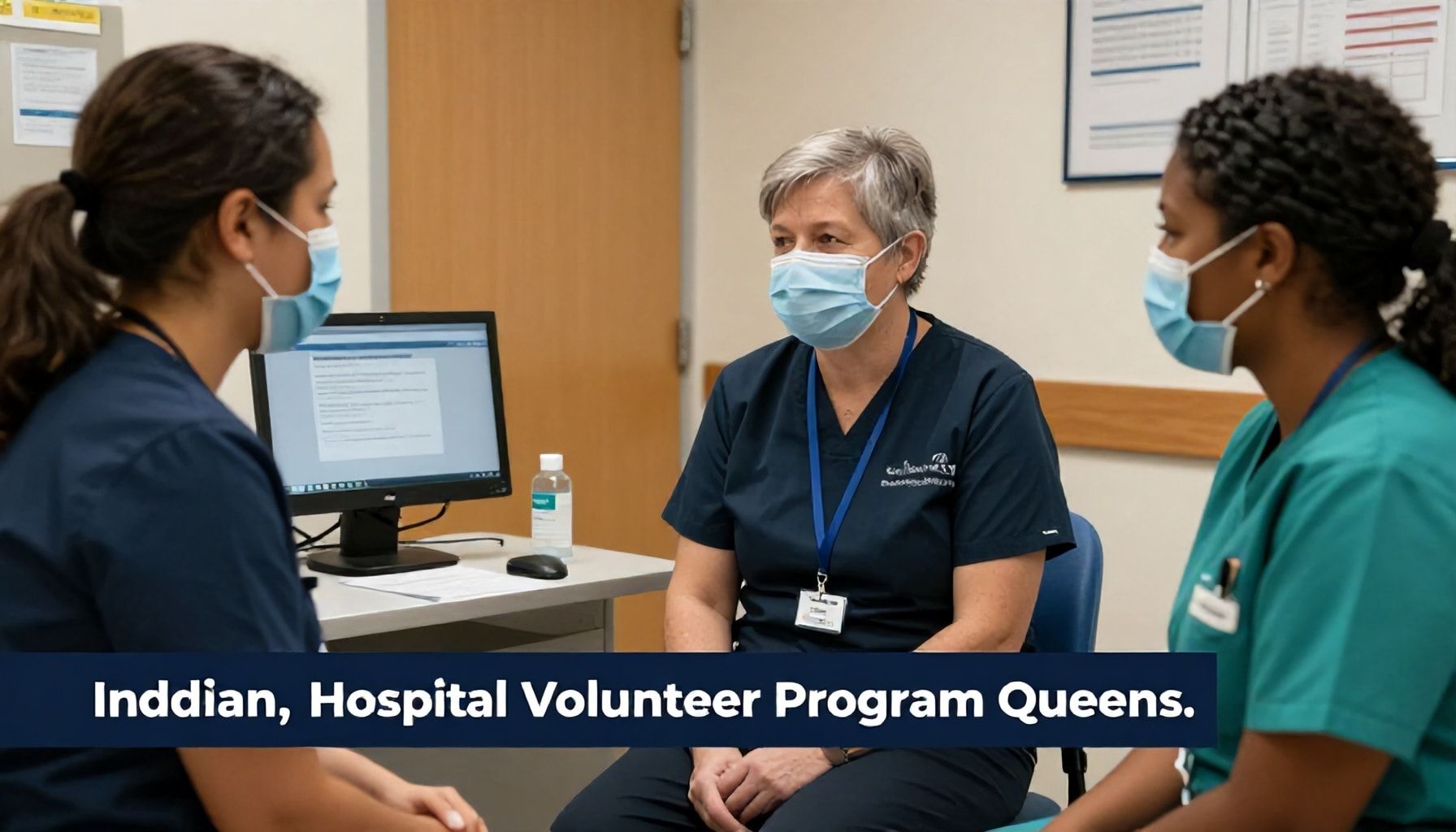
In the heart of Queens, a quiet revolution of compassion is underway. The Indian Hospital Volunteer Program has rallied local residents to provide crucial support to patients from the Indian community, many of whom face language barriers and cultural challenges in navigating the healthcare system. This grassroots initiative, born out of necessity and nurtured by the community’s spirit of giving, is making a tangible difference in the lives of patients at local hospitals like Jamaica Hospital Medical Center and Elmhurst Hospital Center.
New Yorkers can step up to support the program in three meaningful ways. First, volunteering time is the most direct way to make an impact. Volunteers assist with translation, provide comfort to patients, and help families understand complex medical information. Second, donating supplies such as toiletries, books, and comfort items for patients can make hospital stays less daunting. Lastly, spreading the word about the program within community networks can help recruit more volunteers and secure additional resources.
“The response from the community has been overwhelming,” says Rina Patel, a coordinator for the program. “We’ve seen retirees, students, and working professionals all roll up their sleeves to help. It’s a beautiful example of Queens’ diversity turning into a collective strength.” The program has seen a 30% increase in volunteer sign-ups over the past six months, according to internal data, reflecting the growing community engagement.
For those looking to get involved, the program offers flexible volunteering options to fit busy schedules. Whether it’s a few hours a week or a one-time donation, every contribution counts. As the program continues to grow, it stands as a testament to the power of community solidarity in the face of healthcare challenges. To learn more or to volunteer, visit the program’s website or contact local coordinators in neighborhoods like Jackson Heights and Flushing, where the initiative has strong roots.
What's Next for Cultural Support in NYC Healthcare
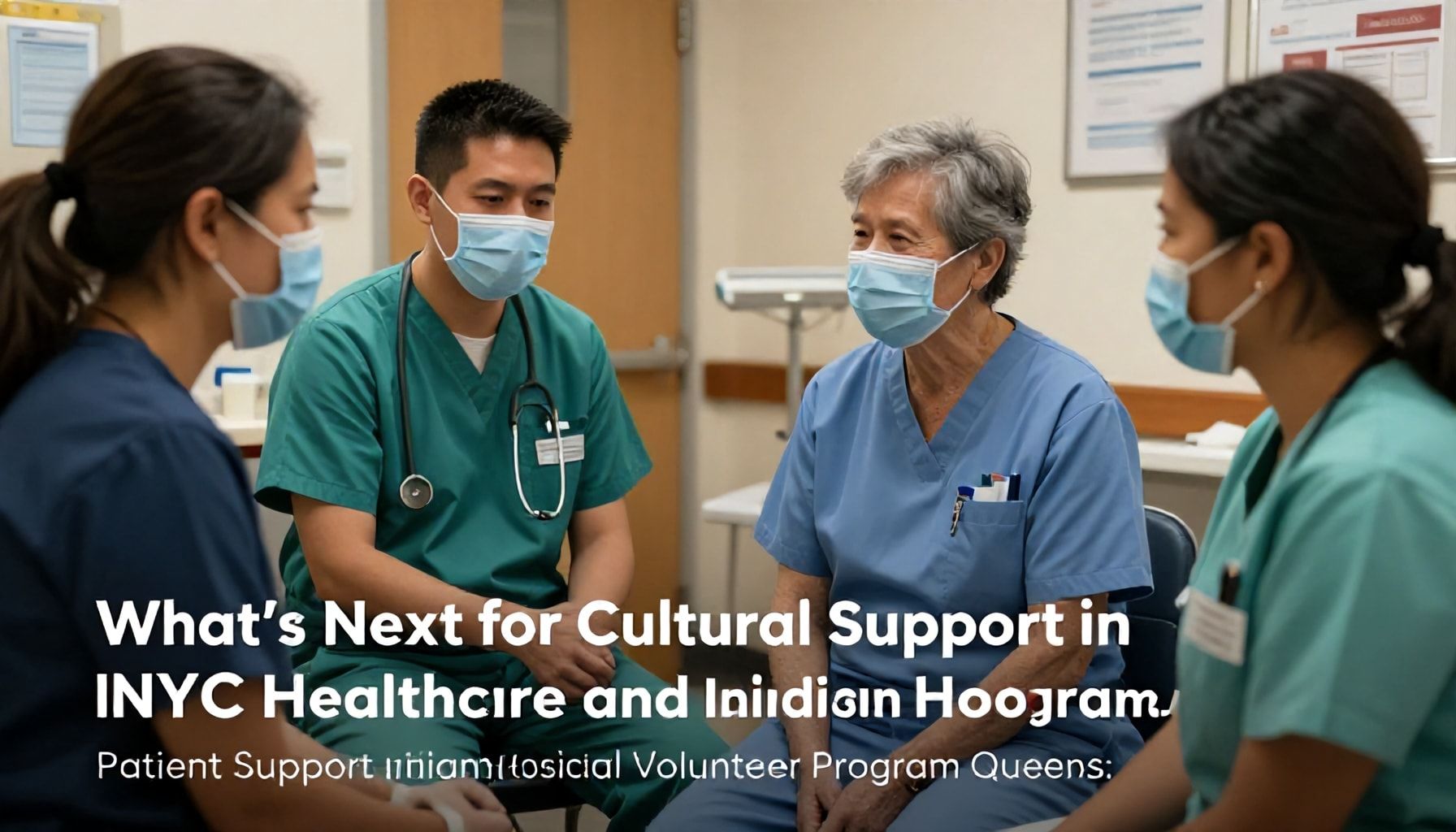
In the heart of Queens, a quiet revolution is taking place within the walls of NYC Health + Hospitals/Queens. A dedicated group of volunteers, many of them Indian immigrants themselves, are stepping up to bridge cultural gaps and provide crucial support to hospital patients from the Indian community. This grassroots initiative, though not yet formally named, is making a tangible difference in patient care and recovery.
Volunteers like Priya Patel, a longtime Jackson Heights resident, spend hours each week assisting patients and their families. “Many of our elders face language barriers and cultural differences that can make hospital stays even more challenging,” Patel explains. She helps translate medical terminology, explains procedures, and simply provides a comforting presence. The program, though still in its early stages, has already seen remarkable results. According to hospital staff, patients with volunteer support report higher satisfaction rates and often experience shorter recovery times.
This initiative is part of a growing trend in NYC healthcare, where community volunteers are filling critical gaps in cultural competency. The NYC Health + Hospitals system has been actively encouraging such programs, recognizing their value in serving the city’s diverse populations. Similar volunteer programs have emerged in other boroughs, each tailored to the specific needs of their communities. In Brooklyn, for instance, a group of volunteers focuses on supporting patients from the Caribbean community, while in the Bronx, volunteers assist Spanish-speaking patients.
For many volunteers, the program is deeply personal. “I’ve seen firsthand how overwhelming a hospital stay can be for immigrants,” says Rajiv Mehta, another volunteer from Elmhurst. “Being able to provide that extra layer of support, in a language and cultural context they understand, is incredibly rewarding.” As NYC continues to grapple with its diverse healthcare needs, these volunteers are proving that community-driven solutions can make a world of difference.
Voices from Queens: Patients and Volunteers Share Stories
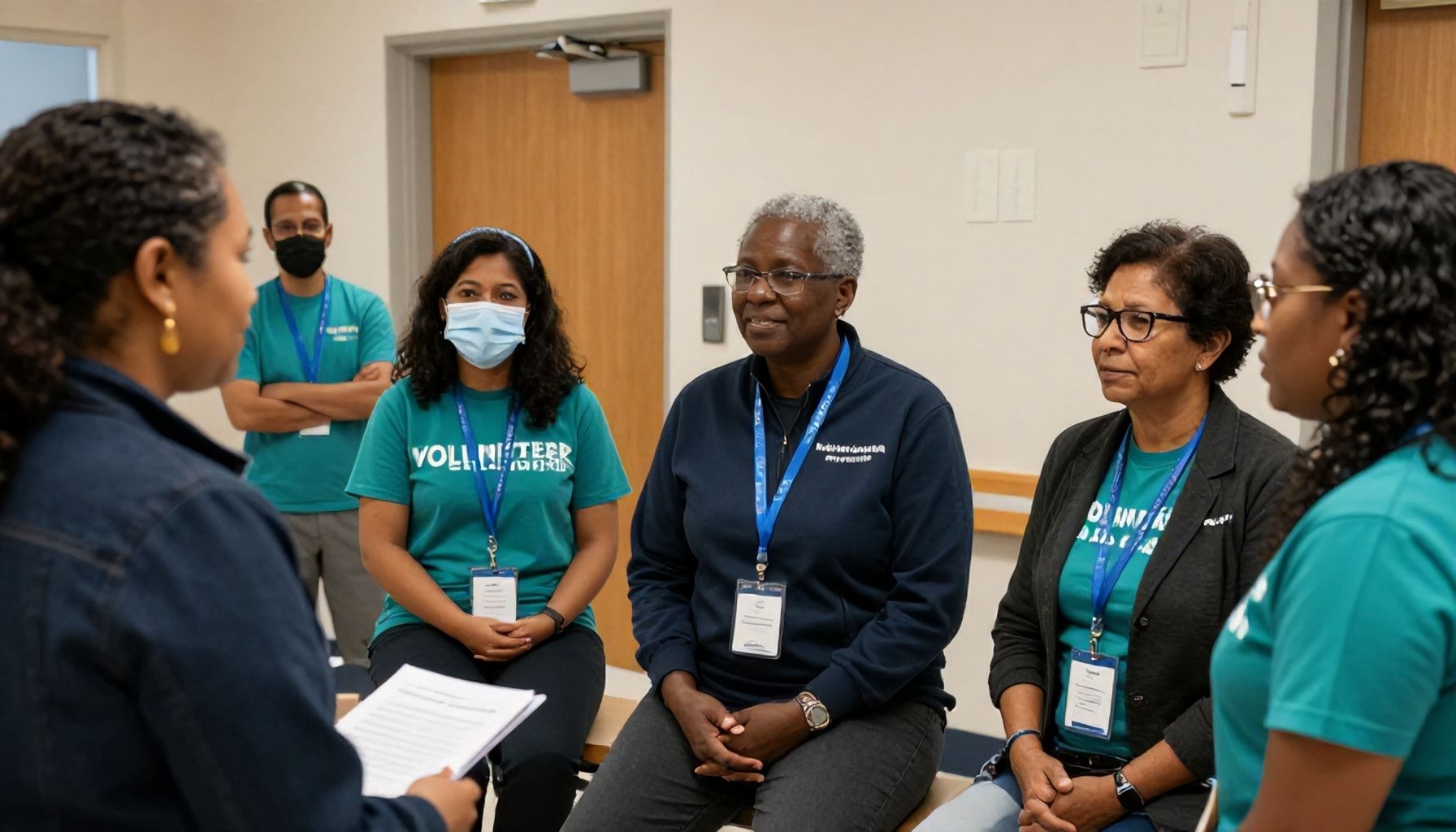
In the heart of Queens, a quiet revolution is taking place. Volunteers from the Indian Hospital Volunteer Program are stepping up to support patients from the South Asian community, offering a lifeline to those navigating the complex healthcare system. The program, based in Jackson Heights, has seen a 30% increase in volunteers over the past year, reflecting a growing trend of community members giving back.
“When patients see someone who looks like them, speaks their language, and understands their culture, it makes a world of difference,” says Dr. Priya Patel, a volunteer and practicing physician at Elmhurst Hospital. The program provides a range of services, from translation and navigation of hospital systems to emotional support and cultural guidance. Volunteers often accompany patients to appointments, helping them understand diagnoses and treatment plans.
The need for such a program is evident. According to a recent report by the NYC Health Department, immigrants in Queens face unique healthcare challenges, including language barriers and lack of familiarity with U.S. medical systems. The Indian Hospital Volunteer Program aims to bridge these gaps, fostering a sense of community and support. “It’s about more than just language,” says Raju, a volunteer who prefers to go by his first name. “It’s about making sure our elders and newcomers feel valued and cared for.”
Volunteers come from all walks of life, including students, professionals, and retirees. They undergo training to understand the healthcare system and learn how to provide culturally sensitive care. The program is always looking for more volunteers, with a particular need for those who speak Hindi, Gujarati, Bengali, and other South Asian languages. For those interested in joining, the program offers a unique opportunity to give back to the community while gaining valuable experience in healthcare.
The Queens volunteers supporting Indian hospital patients demonstrate how community care can bridge gaps in our healthcare system. This initiative not only eases burdens for patients but also strengthens cultural connections across New York’s diverse neighborhoods. New Yorkers can get involved by contacting local hospitals or organizations like the Indo-Caribbean Alliance to explore volunteer opportunities. As our city continues to grow more multicultural, these grassroots efforts set an example for how communities can empower each other through direct action and compassion.