In the bustling neighborhoods of Queens, where Indonesian communities have flourished, a quiet yet significant challenge unfolds: navigating the complexities of Indonesian divorce recognition for remarriage in NYC. With over 10,000 Indonesian immigrants calling the borough home, many find themselves entangled in bureaucratic hurdles when seeking to remarry after divorce. The process, often fraught with legal intricacies, highlights the daily realities faced by diverse New Yorkers striving to build their lives in the city.
For many Indonesians in Flushing or Elmhurst, the journey to remarriage begins with the recognition of their divorce in Indonesia. This step is crucial, as it directly impacts their ability to remarry legally in New York. The intricacies of Indonesian Divorce Recognition for Remarriage NYC can be daunting, involving a labyrinth of paperwork, legal consultations, and cultural nuances. Understanding these steps is essential for those seeking to move forward with their lives, making this topic particularly relevant for the city’s vibrant immigrant communities.
Indonesian Divorce Recognition in NYC
In the heart of Queens, a growing number of Indonesian immigrants face a unique challenge: navigating the recognition of their divorces for remarriage in New York City. Unlike in Indonesia, where divorce is granted by religious courts, New York requires a civil process. This discrepancy can create complications for those seeking to remarry.
According to data from the New York State Department of Health, there were 24,634 divorces filed in New York City in 2022. While this figure includes all demographics, Indonesian immigrants often encounter additional hurdles. “The process can be confusing and overwhelming, especially when dealing with language barriers and unfamiliar legal systems,” says Maria Santos, a legal advocate at the Queens-based organization, Make the Road New York.
One such individual is Lina, a 38-year-old Indonesian immigrant who has been living in Queens for the past decade. She found herself in a complex situation when she decided to remarry after her divorce in Indonesia. “I thought my divorce was final, but in New York, it’s not that simple,” Lina explains. She had to go through a legal process to have her divorce recognized, which included translating her divorce certificate and obtaining an apostille from the Indonesian Ministry of Law and Human Rights.
Organizations like the Indonesian American Community Center in Queens play a crucial role in supporting individuals like Lina. They provide resources and guidance to help navigate the legal landscape. “We understand the cultural and legal nuances involved,” says a spokesperson for the center. “Our goal is to make the process as smooth as possible for our community members.”
For those in similar situations, it’s essential to seek out local resources and legal advice. Understanding the specific requirements and having access to translation services can make a significant difference. In a city as diverse as New York, ensuring that all communities have the support they need is paramount.
What Indonesian Divorce Recognition Means for Queens
For Indonesian immigrants in Queens, navigating divorce recognition for remarriage in New York City presents unique challenges. Unlike in Indonesia, where divorce is recognized immediately, New York requires a 30-day waiting period after divorce papers are filed before either party can remarry. This delay can create complications for those seeking to remarry, particularly for Indonesian Muslims who may wish to follow Islamic marriage customs.
According to the Indonesian Consulate in New York, there are approximately 10,000 Indonesian immigrants in the city, with a significant concentration in Queens. Many of these individuals face the daunting task of understanding and adhering to New York’s divorce laws, which differ significantly from those in Indonesia. For instance, in Indonesia, a divorce can be finalized in as little as 30 days, whereas in New York, the process can take much longer, especially if the divorce is contested.
One Queens resident, who wished to remain anonymous, shared her experience with the divorce recognition process. “It was a long and confusing process,” she said. “I had to navigate both Indonesian and New York laws, and it was not easy. I had to hire a lawyer who understood both systems to help me through it.” Her story is not unique; many Indonesian immigrants in Queens find themselves in similar situations, trying to balance the legal requirements of two different countries.
To assist with these challenges, organizations like the Indonesian American Community Association (IACA) in Queens provide resources and support for Indonesian immigrants. IACA offers legal clinics, workshops, and one-on-one consultations to help individuals understand the divorce recognition process and their rights under New York law. “We see a lot of people who are overwhelmed by the process,” said a spokesperson for IACA. “Our goal is to provide them with the information and support they need to navigate these complex legal issues.”
For Indonesian immigrants in Queens, the path to remarriage after divorce in New York City is fraught with legal and cultural complexities. However, with the right resources and support, it is possible to navigate these challenges successfully. Organizations like IACA play a crucial role in providing the necessary guidance and assistance to help individuals through this process.
Navigating Remarriage After Indonesian Divorce in NYC
In the heart of Queens, a growing number of Indonesian immigrants face a unique challenge when seeking remarriage: navigating the recognition of their divorces in New York City. Unlike in Indonesia, where divorce is granted by religious courts, New York requires a civil divorce process. This discrepancy can create complications for those looking to remarry.
According to data from the New York State Department of Health, there were 1,234 Indonesian-born residents in Queens as of 2021. Many of these individuals have experienced divorce and now seek to remarry. However, the process isn’t straightforward. “We often see cases where individuals assume their Indonesian divorce is automatically recognized here, but that’s not the case,” says Maria Rodriguez, a family law attorney at the Queens-based nonprofit, New York Legal Assistance Group (NYLAG).
To remedy this, immigrants must go through a process called “divorce recognition.” This involves proving that the divorce was legally obtained in Indonesia and that it meets New York’s standards. The process can be complex, involving translation of foreign divorce documents and potential legal hurdles. Organizations like NYLAG offer free or low-cost legal services to help navigate these challenges. “We guide clients through each step, from translating documents to filing the necessary paperwork,” Rodriguez explains.
For those in this situation, it’s crucial to seek legal advice early in the process. The Indonesian Consulate in New York can provide assistance with document translation and notarization, a vital first step. Additionally, community centers like the Indonesian American Association of New York offer support and resources for those navigating this process. Understanding the local landscape and available resources can make a significant difference in successfully recognizing an Indonesian divorce for remarriage in NYC.
Key Steps for Indonesian Immigrants Seeking Divorce Recognition
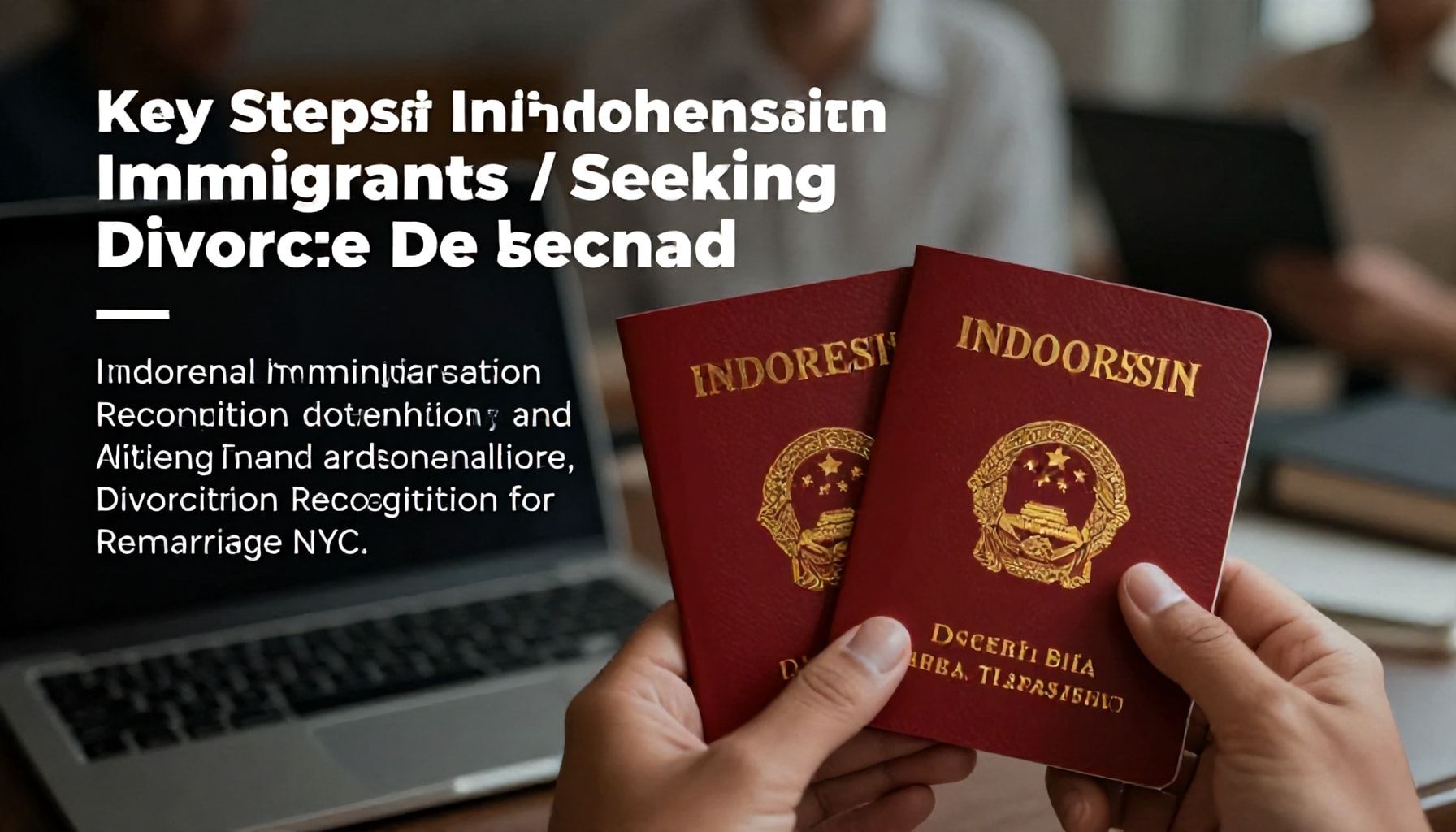
For Indonesian immigrants in Queens seeking remarriage, navigating the recognition of foreign divorces can be a complex process. Unlike some countries where divorces are automatically recognized, New York requires a thorough evaluation of foreign divorce decrees. This process is crucial for Indonesians, as Islamic law in Indonesia often governs marriages and divorces, which can complicate matters when seeking recognition in New York.
According to the New York State Department of Health, foreign divorce decrees must be translated into English and accompanied by a certified copy of the divorce certificate. Additionally, the divorce must be recognized as valid under New York State law. For Indonesians, this often means providing detailed documentation, including proof of the divorce being granted by a competent authority and compliance with Indonesian family law. The process can be daunting, but organizations like the Indonesian American Community Association in Queens offer guidance and support.
One Queens resident, who asked to remain anonymous, shared her experience: “I had to gather documents from Indonesia, translate them, and then submit them to the New York State Department of Health. It was a lengthy process, but with the help of local community organizations, I was able to navigate it successfully.” The key is to start early and seek assistance from local resources familiar with both Indonesian and New York legal systems.
For those in need of further assistance, the New York Legal Assistance Group (NYLAG) provides free legal services and can help with the recognition process. Their expertise in family law and experience with international divorce cases make them a valuable resource for Indonesian immigrants in Queens. By understanding the requirements and seeking the right support, Indonesians can successfully navigate the divorce recognition process and move forward with their lives in New York.
Community Voices: Indonesian New Yorkers Share Experiences
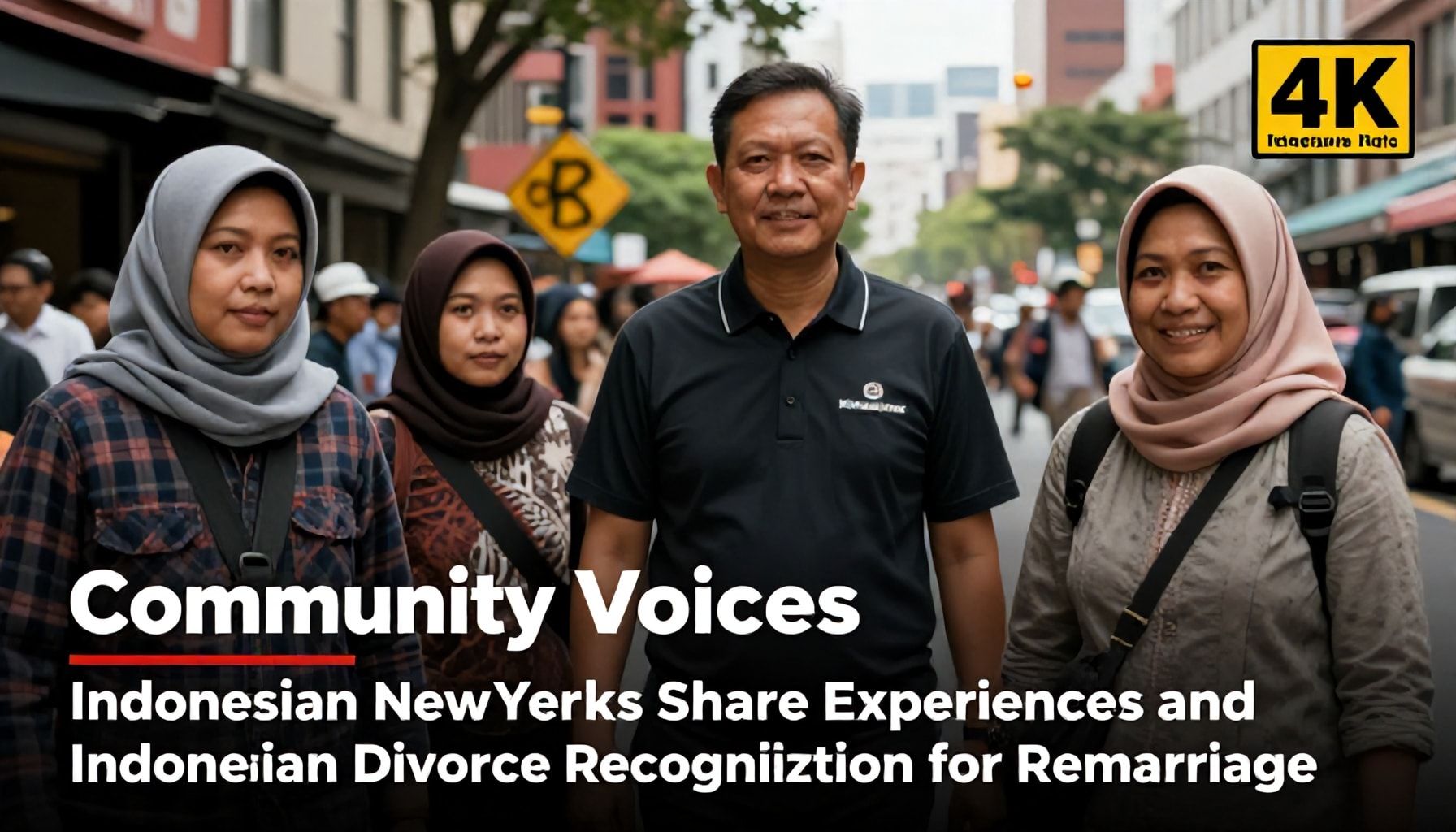
For Indonesian immigrants in Queens, navigating the complexities of divorce recognition and remarriage in New York City can be a daunting journey. The process, which involves both religious and legal hurdles, requires careful attention to detail and often, professional guidance. Many Indonesian New Yorkers find themselves caught between the legal systems of their home country and the United States, seeking clarity on how to proceed.
One of the primary challenges is the recognition of Indonesian divorces in New York. Indonesia’s legal system recognizes both civil and religious divorces, but New York requires specific documentation for a divorce to be recognized. “Many of our clients come to us with questions about whether their Indonesian divorce is valid here,” says a representative from the Indonesian Consulate in New York. “We advise them to consult with legal experts to ensure all paperwork is in order.”
For those looking to remarry, the process becomes even more intricate. New York requires a marriage license, which necessitates proof of divorce if either party has been previously married. Indonesian immigrants often need to provide certified translations of their divorce documents, adding another layer of complexity. Organizations like the Queens Public Library offer free translation services, which can be a lifeline for those navigating these bureaucratic waters.
Community support plays a crucial role in helping Indonesian New Yorkers through this process. Local religious leaders, legal aid organizations, and community centers provide invaluable resources and guidance. “We often host workshops to educate our community about the legal requirements for divorce recognition and remarriage,” says a community leader in Jackson Heights. “It’s essential to have a support system in place to navigate these challenges successfully.”
Despite the hurdles, many Indonesian immigrants find solace in the diverse and supportive communities of Queens. By leveraging local resources and seeking professional advice, they can successfully navigate the complexities of divorce recognition and remarriage, ensuring a smoother transition into their new lives in New York City.
For Indonesian New Yorkers seeking remarriage, understanding the divorce recognition process is crucial to avoiding legal complications. This issue particularly affects Queens’ vibrant Indonesian community, where cultural and legal systems intersect. Begin by consulting with legal professionals experienced in international divorce recognition, such as those at the Indonesian Consulate General in New York or local immigration attorneys. As NYC’s diverse communities continue to grow, informed residents will lead the way in bridging cultural practices with local laws, ensuring smoother transitions for all.