In a city where nearly one in three workers are immigrants, knowing your rights can make all the difference. New York City’s workforce is as diverse as its neighborhoods, from the garment workers of Sunset Park to the home health aides in East New York. Yet, when it comes to Family and Medical Leave (FMLA) NYC eligibility, many workers remain in the dark about crucial protections they’re entitled to. Whether you’re a longtime resident or a newer arrival, understanding FMLA can help you navigate life’s unexpected challenges—from caring for an aging parent to recovering from your own serious health condition.
Family and Medical Leave (FMLA) NYC eligibility isn’t just a legal technicality; it’s a lifeline for workers balancing jobs and family responsibilities. With New York’s high cost of living and demanding work culture, knowing whether you qualify for up to 12 weeks of unpaid, job-protected leave can provide peace of mind. This isn’t just about paperwork—it’s about real people in real situations, from a Flushing restaurant worker needing time to care for a sick child to a Bronx teacher recovering from surgery. The rules can be complex, but the stakes are high, and clarity is power.
Understanding FMLA and Your Rights
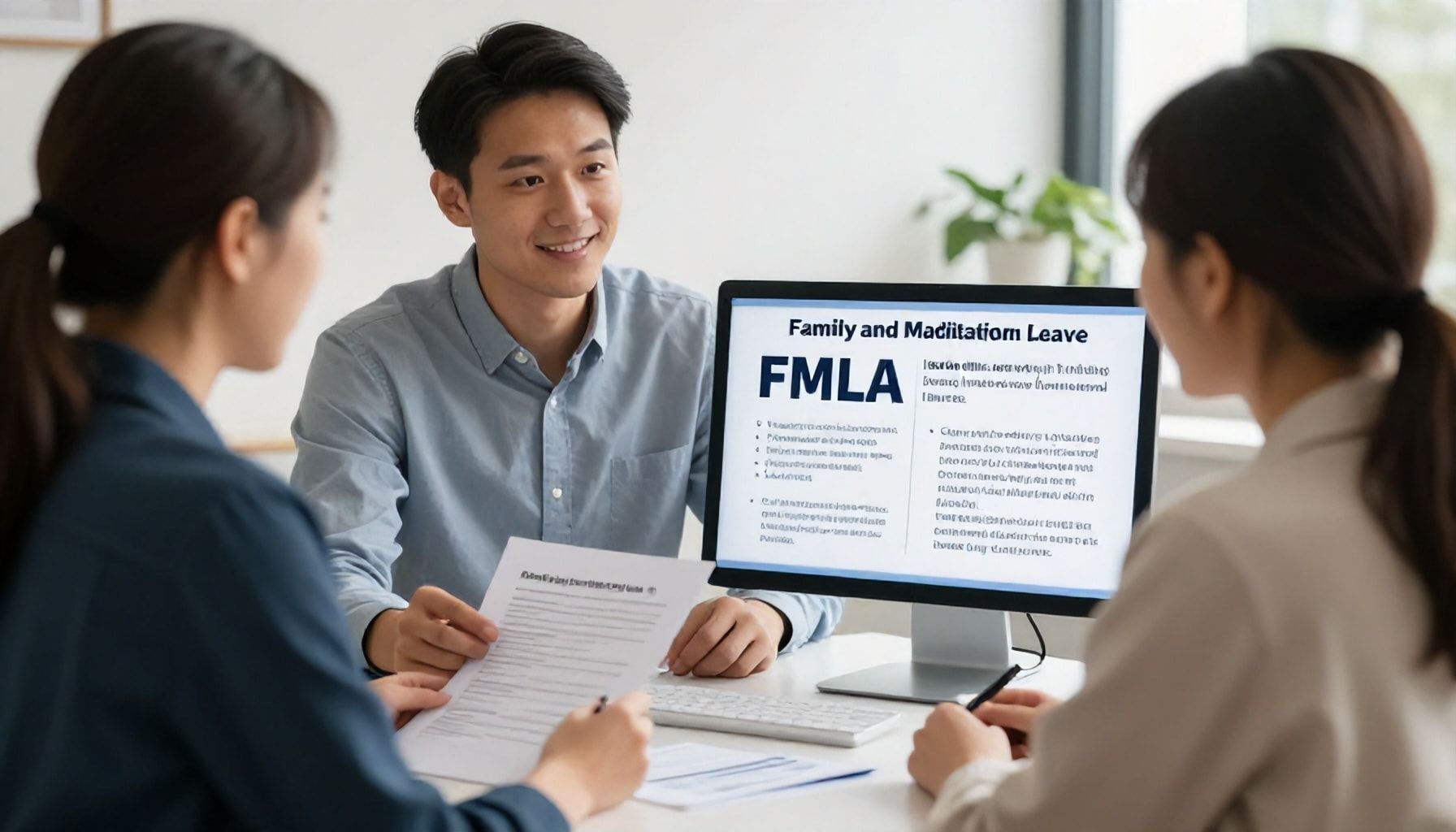
Navigating Family and Medical Leave (FMLA) can feel overwhelming, especially in a city as diverse and fast-paced as New York. But understanding your rights under FMLA is crucial for workers across the five boroughs. FMLA provides eligible employees with up to 12 weeks of unpaid, job-protected leave per year for certain family and medical reasons. To qualify, you must work for a covered employer and meet specific criteria.
First, your employer must have at least 50 employees within a 75-mile radius. This includes many businesses in NYC, from small startups in Brooklyn to large corporations in Manhattan. You also need to have worked at least 1,250 hours during the 12 months before the leave starts. That’s roughly 24 hours a week. Additionally, you must have worked for your employer for at least 12 months, though these don’t need to be consecutive. This can be particularly relevant for immigrants and first-generation workers who may have multiple jobs or gaps in employment history.
According to the U.S. Department of Labor, over 40 million workers nationwide are eligible for FMLA. In NYC, organizations like the Workers’ Rights Clinic in Jackson Heights provide free legal assistance to help workers understand their eligibility and rights. “Many workers don’t realize they qualify for FMLA until it’s too late,” says Maria Rodriguez, a community advocate in Sunset Park. “Knowing your rights can make a significant difference during challenging times.”
If you’re eligible, FMLA covers leave for the birth or adoption of a child, caring for a family member with a serious health condition, or addressing your own serious health issues. Remember, FMLA is unpaid, but it protects your job and benefits while you’re on leave. For NYC workers, this can be a lifeline in a city where the cost of living is high and job security is paramount. Always consult with a local legal aid or community organization if you have questions about your specific situation.
How FMLA Eligibility Works in NYC
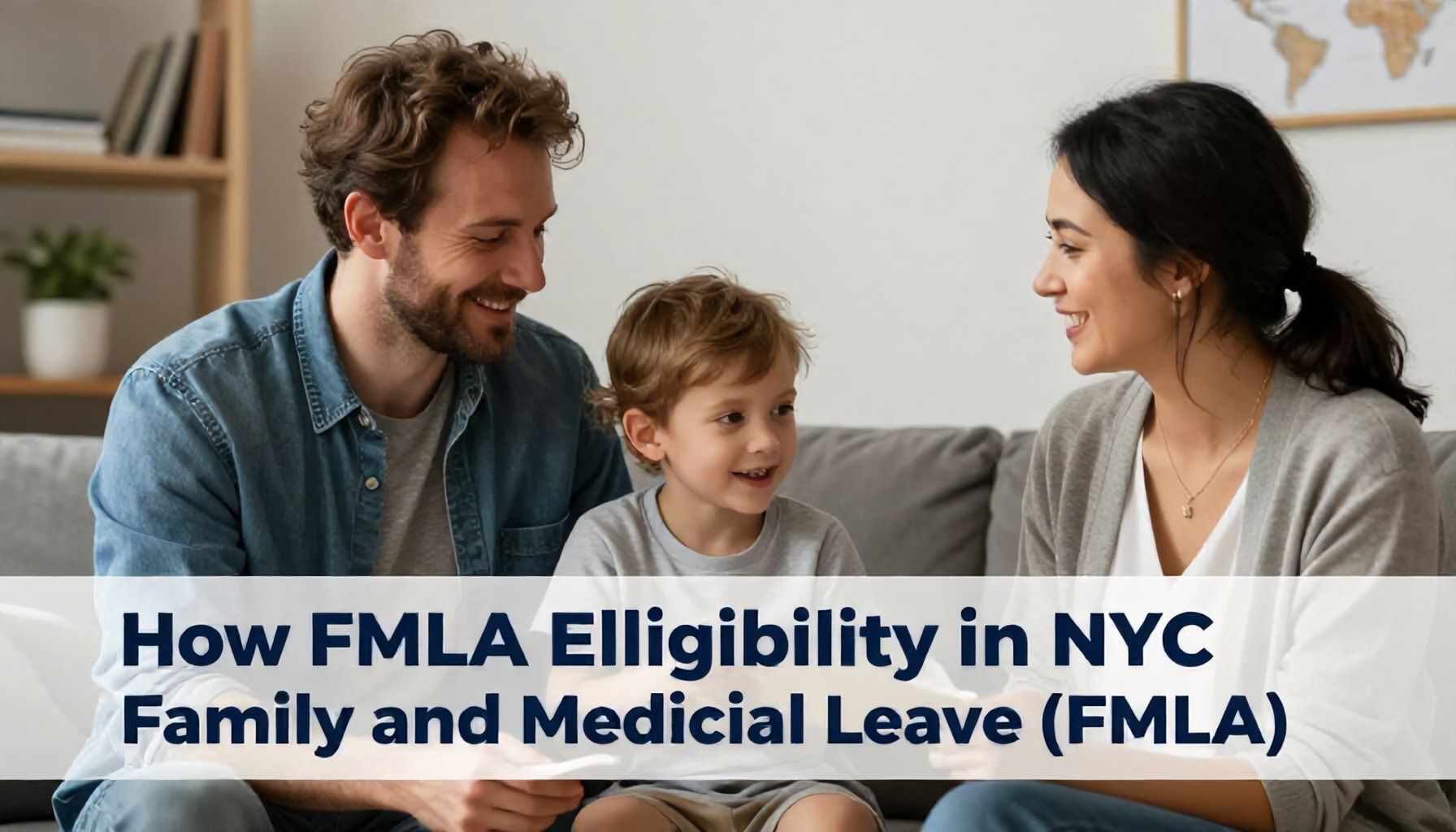
New York City workers facing serious health issues or family responsibilities may qualify for job-protected leave under the Family and Medical Leave Act (FMLA). This federal law provides eligible employees with up to 12 weeks of unpaid leave per year. But navigating FMLA eligibility can feel overwhelming, especially for immigrants and first-generation New Yorkers.
To qualify for FMLA in NYC, workers must meet specific criteria. Employees must have worked at a company with 50 or more employees within a 75-mile radius for at least 12 months. They also need to have logged at least 1,250 hours of service in the 12 months before taking leave. This requirement can be particularly challenging for part-time workers or those employed in industries with high turnover rates, like retail or hospitality.
FMLA covers a range of situations, including the birth or adoption of a child, caring for a family member with a serious health condition, or addressing one’s own serious medical issues. “Many New Yorkers don’t realize that FMLA also applies to situations like caring for a pregnant spouse or dealing with certain mental health conditions,” says Maria Rodriguez, a worker’s rights advocate with Make the Road New York. The organization offers workshops and legal clinics in Bushwick, Jackson Heights, and Sunset Park to help workers understand their rights.
For those who don’t meet FMLA criteria, NYC’s Paid Safe and Sick Leave Law offers some protections. This local law provides paid leave for smaller businesses with five or more employees. Workers can use this time to address their own health needs or care for family members. The city’s Department of Consumer and Worker Protection provides multilingual resources and assistance for workers navigating these complex laws.
Understanding FMLA eligibility is crucial for NYC workers to protect their jobs while addressing serious health or family needs. Whether through federal protections or local resources, New Yorkers have options to safeguard their livelihoods during challenging times. For more information, workers can visit the Department of Consumer and Worker Protection website or contact local advocacy organizations like Make the Road New York.
Key Factors Affecting Your FMLA Claim
Navigating Family and Medical Leave (FMLA) eligibility can feel like trying to find your way through the subway system without a map. But understanding the key factors affecting your claim is crucial for NYC workers. The FMLA provides up to 12 weeks of unpaid, job-protected leave per year for eligible employees. To qualify, you must work for a covered employer—generally, any private employer with 50 or more employees, or any public agency, including local NYC government jobs.
But it’s not just about your employer’s size. You also need to have worked at least 1,250 hours during the 12 months before the leave starts. That’s roughly 24 hours a week. If you’re juggling multiple jobs, those hours can add up quickly. Remember, FMLA eligibility isn’t just for full-time employees. Part-time workers can qualify too, as long as they meet the hour requirement. For example, a retail worker in Jackson Heights working 20 hours a week at one job and 10 hours at another could potentially meet the threshold.
Another critical factor is your employer’s location. The FMLA applies to employers with 50 or more employees within a 75-mile radius. In NYC, that means most large employers are covered. But if you’re working for a smaller business or a startup, it’s worth double-checking. The U.S. Department of Labor provides a handy eligibility calculator to help you figure it out. And if you’re unsure, organizations like the Legal Aid Society or Make the Road New York can provide guidance tailored to your situation.
Lastly, timing matters. You must have worked for your employer for at least 12 months, though these don’t need to be consecutive. So, if you took a break to care for a family member or deal with your own health issues, those months can still count. Understanding these key factors can make the difference between a successful claim and a denied one. For more detailed information, the NYC Department of Consumer and Worker Protection offers resources and support to help you navigate the process.
Navigating FMLA: Steps for NYC Workers
New York City workers facing serious health issues or family responsibilities may qualify for unpaid, job-protected leave under the federal Family and Medical Leave Act (FMLA). But navigating eligibility can feel like trying to find a parking spot in Midtown during rush hour. Here’s what you need to know.
First, you must work for a company with 50 or more employees within a 75-mile radius. That covers most of NYC, but smaller businesses might not qualify. You also need to have worked at least 1,250 hours in the 12 months before taking leave. That’s roughly 24 hours per week. If you’re a part-time worker or juggling multiple jobs, this can be tricky to meet.
Next, you must have worked for your employer for at least 12 months. But these don’t need to be consecutive. If you’ve been with your company for 18 months but took a 6-month break, you might still qualify. According to the U.S. Department of Labor, about 60% of the U.S. workforce is eligible for FMLA. In NYC, that translates to roughly 3.6 million workers.
If you’re eligible, you can take up to 12 weeks of unpaid leave per year. This covers your own serious health condition, caring for a family member, or welcoming a new child. “Many workers don’t realize they can take intermittent leave,” says Maria Rodriguez, a worker’s rights advocate with Make the Road New York. “You can take it in chunks when you need to, like for doctor’s appointments or chemotherapy treatments.”
If you’re unsure about your eligibility, organizations like the Legal Aid Society or the Worker’s Rights Law Center can help. They offer free or low-cost consultations. Remember, your job is protected while you’re on leave, but your employer doesn’t have to pay you. That’s why it’s crucial to understand your rights and plan ahead. For more information, check out the U.S. Department of Labor’s FMLA page.
The Future of Family Leave in New York City
Navigating family and medical leave can feel overwhelming, especially in a city as dynamic as New York. The Family and Medical Leave Act (FMLA) offers crucial protections, but understanding eligibility is key. Here’s what NYC workers need to know to ensure they’re covered when life throws a curveball.
First, FMLA applies to employers with 50 or more employees within a 75-mile radius. That means many workers in dense areas like Manhattan, Brooklyn, and Queens qualify, but smaller businesses might not. Employees must also have worked at least 1,250 hours in the 12 months before taking leave. For part-time workers or those with irregular schedules, this can be a hurdle. The NYC Department of Consumer and Worker Protection offers resources to help clarify eligibility, including multilingual guides for immigrant communities.
Eligible workers can take up to 12 weeks of unpaid, job-protected leave per year for reasons like childbirth, serious health conditions, or caring for a family member. In New York State, the Paid Family Leave program provides partial wage replacement, but FMLA itself doesn’t guarantee pay—just job security. This gap can be tough for low-income families, particularly in high-cost neighborhoods like the Bronx or Staten Island, where every paycheck counts.
“Many workers don’t realize they qualify until it’s too late,” says Maria Rodriguez, a community advocate with Make the Road New York. “We see this often in immigrant communities where language barriers or fear of job loss keep people from asking questions.” If you’re unsure, organizations like Legal Aid Society or the Workers’ Rights Clinic at CUNY School of Law can provide free or low-cost guidance. Knowing your rights is the first step to securing the support you need.
Understanding FMLA eligibility isn’t just paperwork—it’s about protecting your job while caring for yourself or your family. For NYC workers, this means knowing your rights when facing serious health issues or family responsibilities. Start by checking your employer’s size and your own work hours to confirm eligibility, and don’t hesitate to reach out to local organizations like the Legal Aid Society for guidance. As New York continues to champion workers’ rights, staying informed ensures you can advocate for yourself and your community in an ever-changing city.