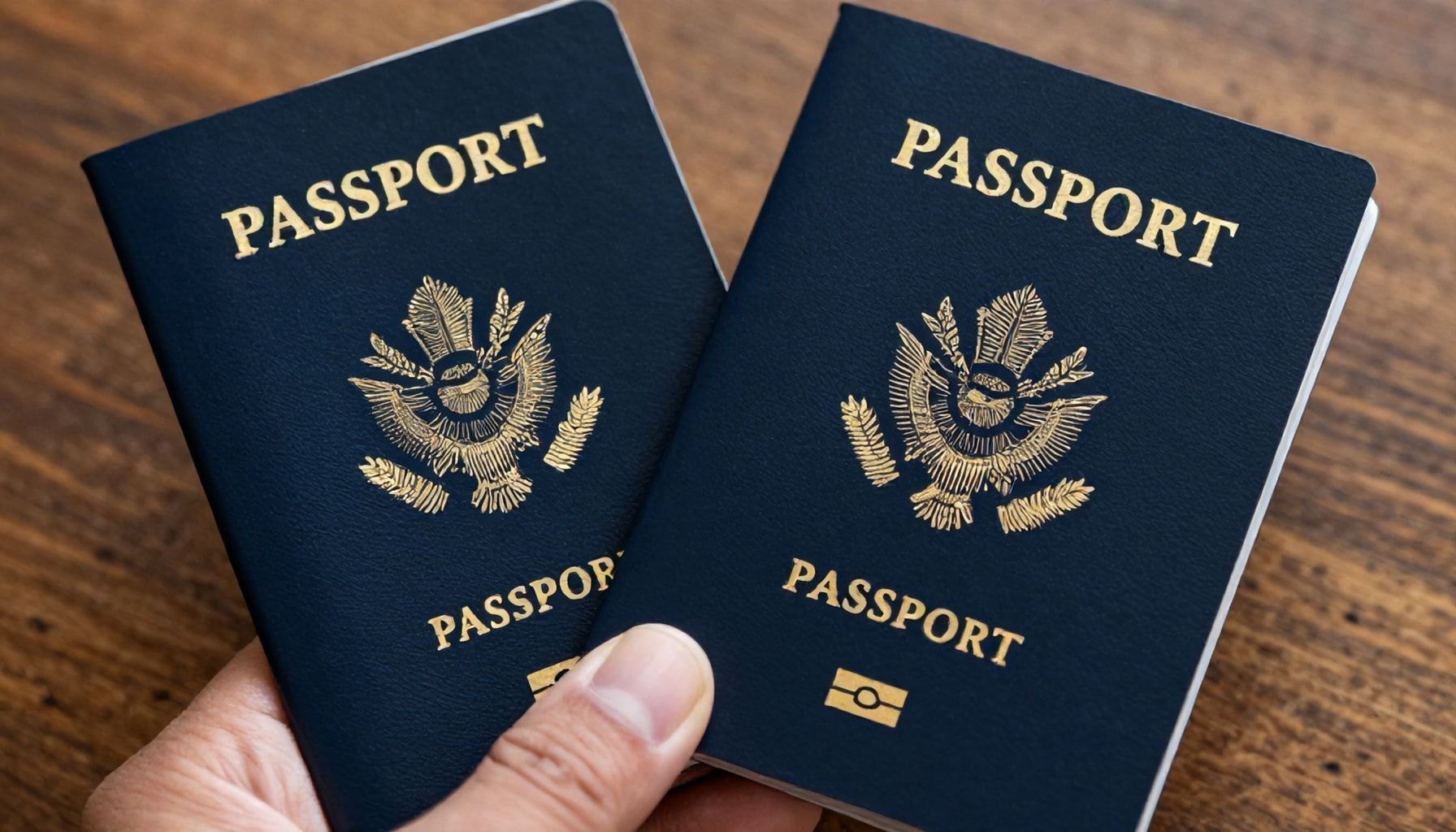
In the bustling streets of Jackson Heights, Flushing, and other immigrant hubs across New York City, a quiet but significant transition unfolds daily: Indian Americans completing their citizenship journey. For these New Yorkers, the next step often involves surrendering their Indian passport, a process that blends emotional ties with practical necessities. Surrendering Indian Passport After US Citizenship NYC is a topic that resonates deeply with the city’s diverse communities, particularly those who have navigated the complexities of dual citizenship.
Living in a city as dynamic as New York demands staying informed about such critical steps. Whether you’re a longtime resident of Queens or a newer arrival in Brooklyn, understanding the nuances of passport surrender can save time and avoid potential complications. The process, while straightforward, requires attention to detail—something every busy New Yorker can appreciate. Surrendering Indian Passport After US Citizenship NYC isn’t just about paperwork; it’s about making informed decisions that align with your new status while honoring your roots. This guide cuts through the red tape, offering clear, actionable insights tailored to the unique needs of NYC’s Indian community.
Why NYC Indians Surrender Passports After Citizenship
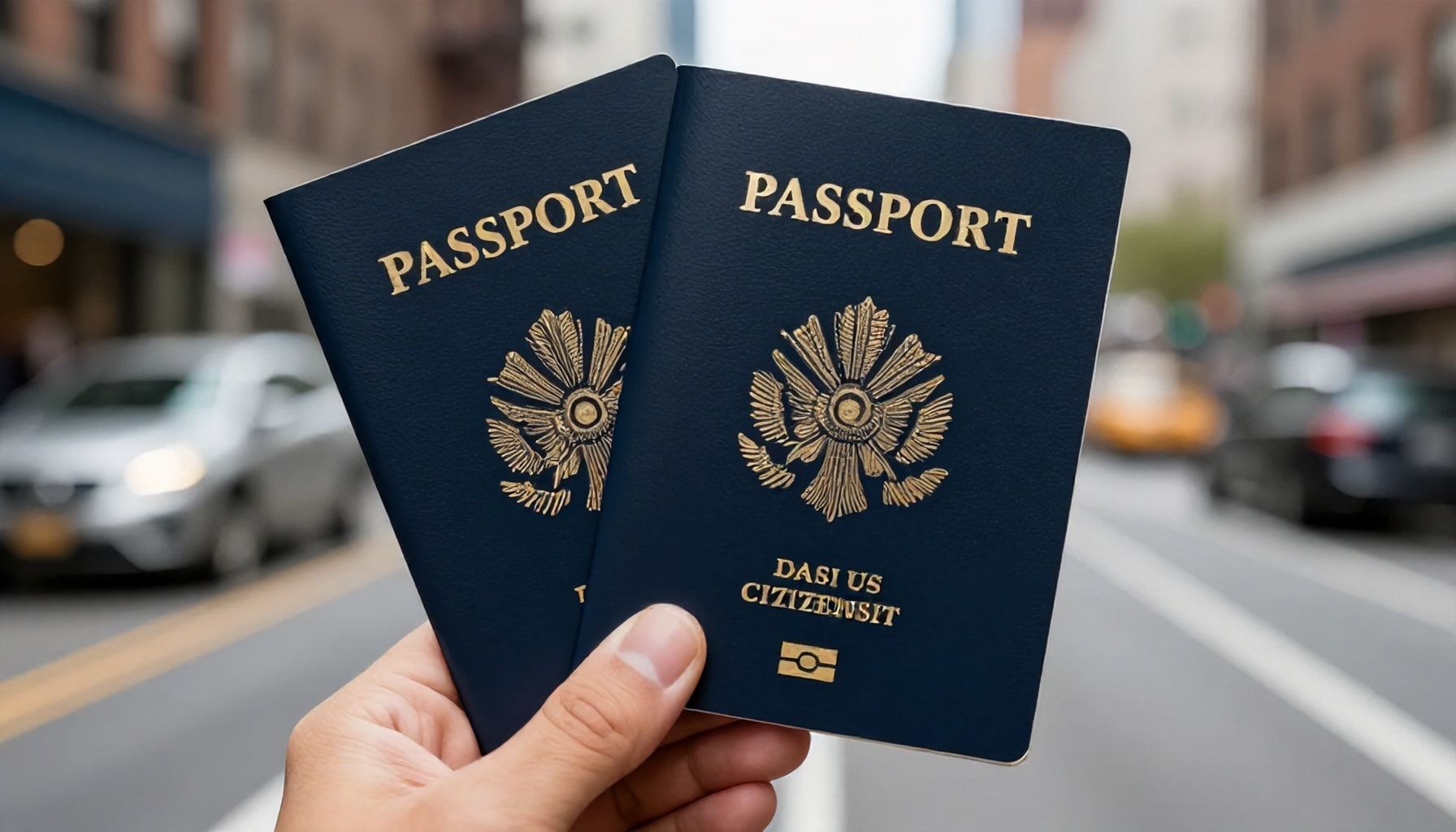
For many Indian immigrants in New York City, becoming a U.S. citizen is a dream come true. But with that new status comes an important decision: what to do with your Indian passport. Surrendering it is a common step, but it’s not always straightforward. Here’s what NYC Indians should know about this process.
When you become a U.S. citizen, you’re no longer an Indian citizen. According to the Indian Citizenship Act, you’re required to surrender your Indian passport. This can be done at the nearest Indian consulate, which for New Yorkers is the Consulate General of India in Manhattan. The process involves filling out a form, submitting your passport, and paying a fee. It’s a final step that marks the end of one chapter and the beginning of another.
But why do so many choose to surrender their passports? For some, it’s about simplicity. Dual citizenship isn’t recognized by India, so holding onto an Indian passport can complicate things. Others do it for practical reasons, like avoiding visa issues when traveling. “It’s not a decision to be taken lightly,” says Ravi, a longtime resident of Jackson Heights who went through the process last year. “But for me, it was about making things easier for my family and me.”
However, it’s not a one-size-fits-all situation. Some choose to keep their Indian passports for sentimental reasons or because they plan to return to India. Others hold onto them for business or family ties. The Indian American Community Foundation in Queens, for instance, often advises immigrants to consider their personal circumstances carefully before making a decision. “Everyone’s journey is different,” says a spokesperson for the organization. “There’s no right or wrong answer.”
If you’re considering surrendering your Indian passport, it’s crucial to do your research. The Consulate General of India’s website is a good starting point. You might also want to consult with local organizations or legal experts who understand the nuances of this process. Remember, this is a significant step in your immigrant journey, and it’s okay to take your time.
Key Rules for Surrendering Your Indian Passport
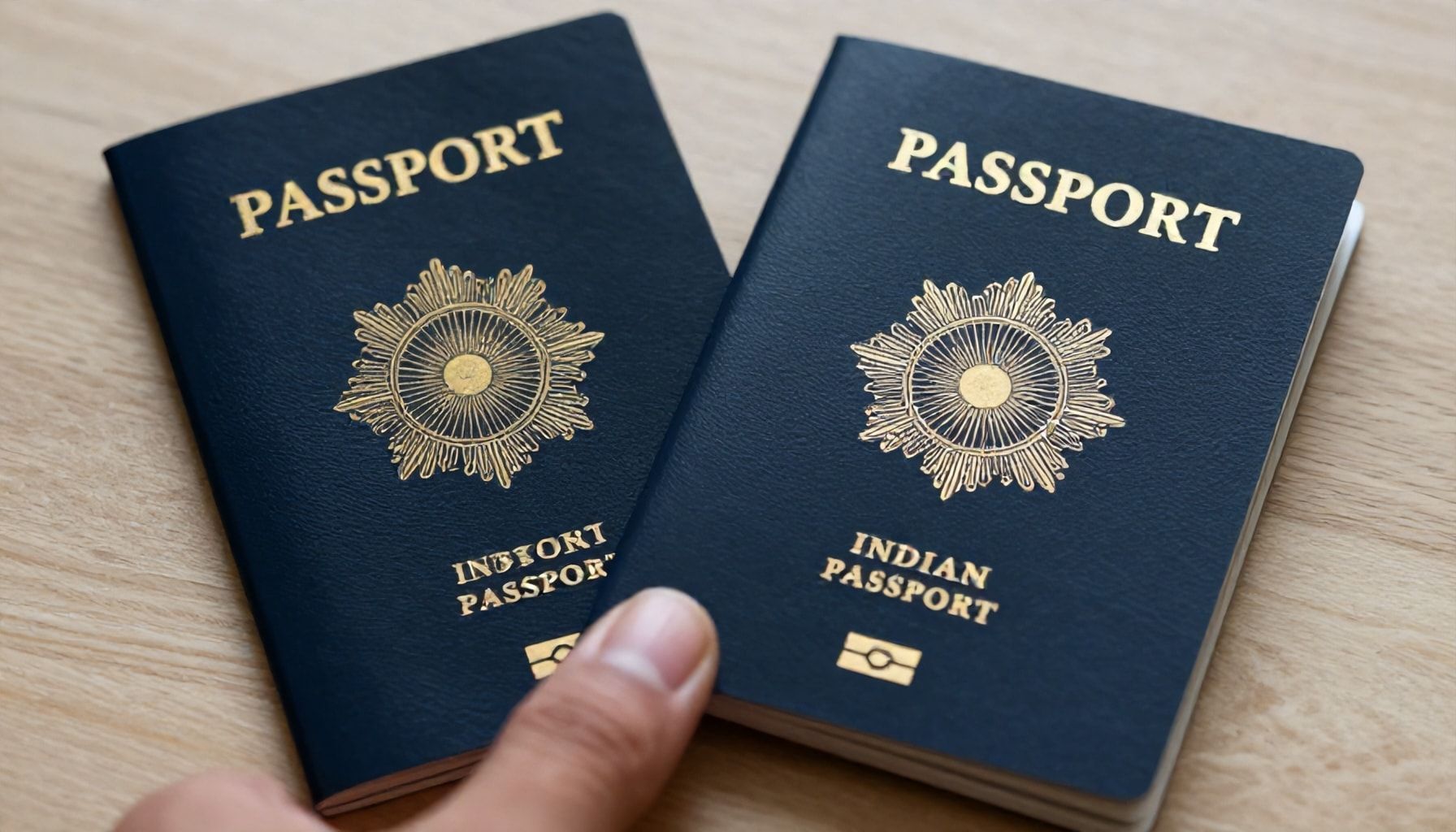
For Indian immigrants in New York City who’ve recently gained U.S. citizenship, surrendering your Indian passport might feel like a daunting task. But it’s a straightforward process if you know the key rules. The Indian Consulate in NYC requires all naturalized U.S. citizens to surrender their Indian passports within three years of obtaining citizenship. This applies to residents across all five boroughs, from Jackson Heights to Bensonhurst.
First, gather your documents. You’ll need your original Indian passport, U.S. naturalization certificate, and a completed passport surrender form. The form is available on the Consulate’s website. Make sure to fill it out accurately to avoid delays. The Consulate General of India in New York, located on East 64th Street, processes these requests. Appointments are mandatory, so plan ahead. According to the Consulate’s website, processing times can vary, so it’s best to start the process as soon as possible.
Once you submit your documents, you’ll receive a Surrender Certificate. This certificate is crucial as it serves as proof that you’ve complied with Indian government regulations. Keep it safe along with your other important documents. Remember, surrendering your Indian passport doesn’t mean losing your Indian citizenship. As per Indian law, citizenship is determined by the Constitution of India, not just your passport. Organizations like the India Center in Jackson Heights can provide additional support and guidance if needed.
For those who need to travel to India after surrendering their passport, you can apply for an Overseas Citizen of India (OCI) card. This card allows multiple entries into India without a visa and offers other benefits. The application process is straightforward and can be done online. Whether you’re in Flushing or Staten Island, understanding these rules will help you navigate the process smoothly.
How This Process Affects NYC Indian Communities
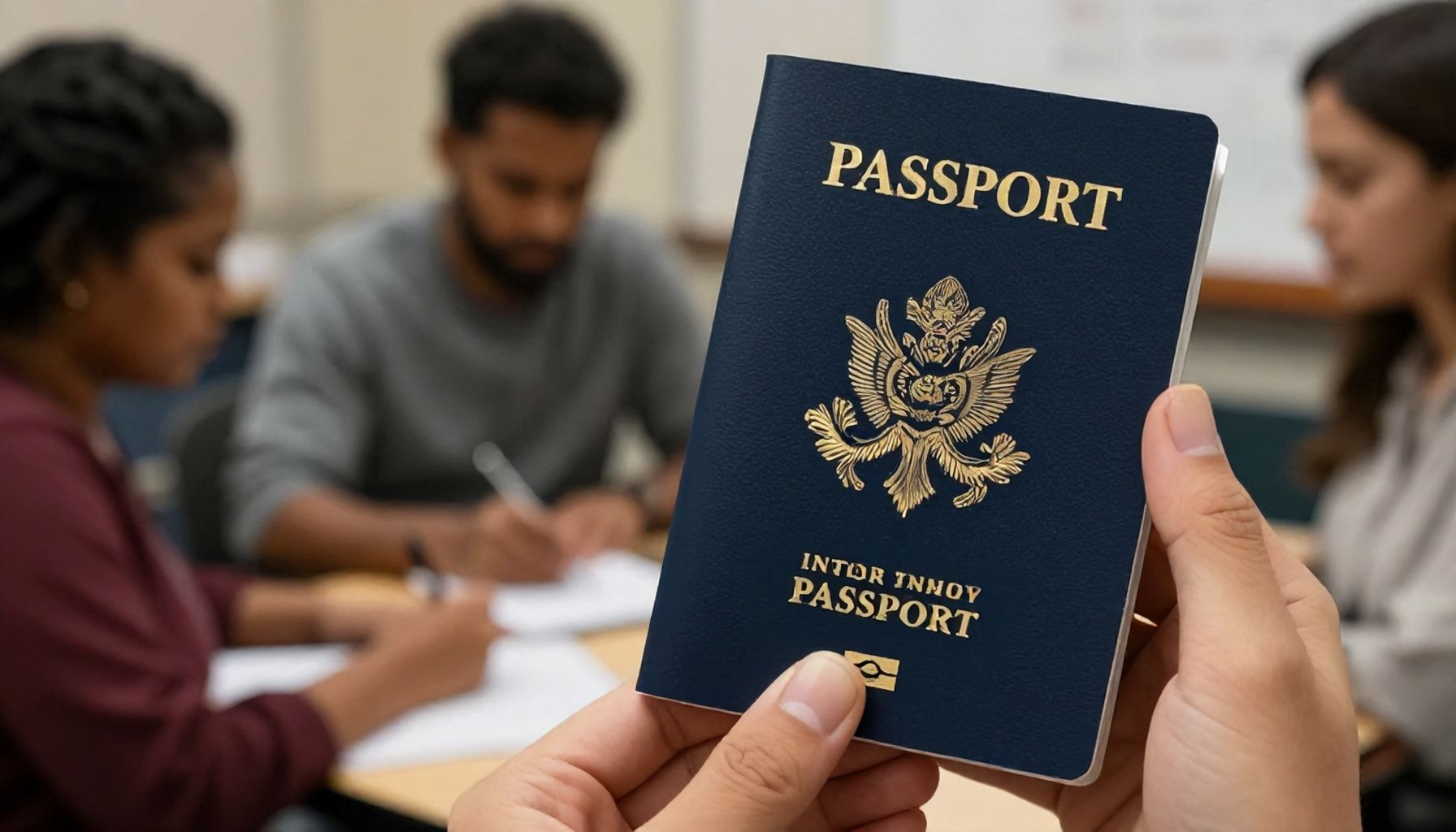
For Indian immigrants in New York City who’ve recently gained U.S. citizenship, surrendering your Indian passport might not be top of mind. But it’s an important step to avoid future complications. The Indian Consulate in NYC requires citizens who’ve naturalized in the U.S. to surrender their Indian passports within three years of obtaining citizenship. This process is straightforward but requires attention to detail.
First, gather your documents. You’ll need your Indian passport, U.S. citizenship certificate, and a completed passport surrender form available on the Indian Consulate’s website. Make copies of everything before submission. The consulate, located in Midtown Manhattan, processes these requests by appointment only. Expect a wait, as slots fill quickly. Pro tip: Check the consulate’s website regularly for cancellations to snag an earlier appointment.
“Many new citizens underestimate the importance of this step,” says Ravi Patel, an immigration attorney based in Jackson Heights. “They’re focused on the excitement of citizenship and may not realize the implications of holding dual passports.” Holding onto an Indian passport after U.S. naturalization can cause issues with visa renewals or future travel. The Indian government treats this seriously, so it’s best to comply promptly.
Once submitted, the surrender process typically takes 4-6 weeks. You’ll receive an acknowledgment receipt, which serves as proof of surrender while you wait. The consulate will return your passport with “canceled” stamps on all pages. Keep this document safe, as it may be required for future visa applications or proof of past citizenship. For Jackson Heights residents, the nearby Queens Library offers free notary services if you need documents certified before submission.
Step-by-Step Guide for New Yorkers
Congratulations on becoming a U.S. citizen! For Indian nationals in New York City, the next step is surrendering your Indian passport. This process is mandatory, but it’s straightforward if you know what to expect. Here’s a step-by-step guide to help you navigate this transition.
First, gather your documents. You’ll need your Indian passport, U.S. citizenship certificate, and a completed passport surrender form. The form can be downloaded from the Indian Consulate’s website. Make sure to fill it out accurately. If you’re in Queens or the Bronx, the nearest consulate is in Manhattan. Appointments are required, so plan ahead.
Next, visit the Indian Consulate in New York. The consulate is located at 825 Third Avenue, near Grand Central Terminal. Arrive early to avoid long waits. The consulate staff will process your surrender and issue a Surrender Certificate. This certificate is crucial—it’s proof that you’ve complied with Indian laws regarding passport surrender.
Once you have your Surrender Certificate, you can apply for an Overseas Citizen of India (OCI) card. This card allows you to travel to India without a visa and stay for an extended period. The application process is online, and you can find detailed instructions on the Indian government’s website. The OCI card is a valuable resource for maintaining ties with India while enjoying the benefits of U.S. citizenship.
Remember, the process might seem daunting, but it’s manageable. Many New Yorkers have gone through it. If you need assistance, consider reaching out to local organizations like the India Center Foundation in Jackson Heights. They offer resources and support for Indian immigrants navigating U.S. citizenship and its implications. Stay informed, stay patient, and soon you’ll have everything in order.
Planning Ahead: Future Travel Considerations
For many Indian immigrants in New York City who’ve recently gained U.S. citizenship, the process of surrendering their Indian passport can feel overwhelming. The Indian Consulate in NYC requires citizens to surrender their Indian passports within three years of naturalizing in the U.S. This process, while straightforward, involves specific steps that vary slightly from other consulates around the world.
First, gather your documents. You’ll need your U.S. naturalization certificate, your Indian passport, and a completed passport surrender form, which can be downloaded from the Indian Consulate’s website. Appointments are required and can be booked online. The consulate, located in Midtown Manhattan, serves a large community, so scheduling early is advisable. “Many new citizens wait until the last minute,” says Ravi Patel, a community organizer in Jackson Heights, “but the consulate’s appointment slots fill up quickly.”
During your appointment, consulate officials will verify your documents and process your surrender. You’ll receive a Surrender Certificate, which is crucial for any future visa applications to India. Remember, surrendering your Indian passport doesn’t mean losing your Indian citizenship. According to the Indian government, citizenship is based on the Constitution of India, not just your passport. However, you won’t be able to use your Indian passport for travel after surrender.
For those in the five boroughs, the Indian Consulate is easily accessible via multiple subway lines. The consulate’s website also provides a list of frequently asked questions and contact information for further assistance. Navigating this process is just one of many steps in the journey of becoming a U.S. citizen while maintaining ties to your home country.
For NYC’s Indian community, understanding passport surrender rules after gaining U.S. citizenship is crucial to maintaining legal status and avoiding future complications. This process is particularly relevant for the nearly 200,000 Indian immigrants in New York who’ve recently become citizens. Start by gathering your documents and scheduling an appointment at the nearest Indian consulate, with the New York location in Midtown Manhattan being the most convenient for most residents. As New York’s Indian community continues to grow and thrive, staying informed about these processes ensures smoother transitions and stronger connections between both cultures.