New York City’s immigrant communities are the lifeblood of the five boroughs, contributing to the city’s vibrant culture and economy. With over 3.1 million foreign-born residents, according to the latest NYC Mayor’s Office of Immigrant Affairs data, navigating the path to permanent residency is a pressing concern for many. Whether you’re a longtime resident of Sunset Park or a newer arrival in Jackson Heights, understanding the Family-Based Green Card Sponsorship: NYC Process Timeline can make all the difference in planning your future.
For countless New Yorkers, the journey to secure a green card through family sponsorship is a crucial step toward stability and opportunity. From the bustling streets of Flushing to the historic brownstones of Bedford-Stuyvesant, families are seeking clear, practical information to guide them through this complex process. The Family-Based Green Card Sponsorship: NYC Process Timeline breaks down the steps, from initial petitions to final interviews, helping you understand what to expect and when. Whether you’re sponsoring a family member or being sponsored, this timeline provides the insights you need to navigate the system efficiently. In a city where time is precious and every step counts, having a clear roadmap can ease the journey toward permanent residency.
Understanding Family-Based Green Cards in NYC
For many New Yorkers, family-based green cards offer a pathway to permanent residency, reuniting loved ones and building a future in the city. The process, however, can be complex and time-consuming. Understanding the timeline is crucial for navigating the system effectively.
It begins with the sponsor, a U.S. citizen or permanent resident, filing Form I-130 with U.S. Citizenship and Immigration Services (USCIS). Processing times vary. As of mid-2023, USCIS reports an average of 11 months for immediate relatives, but timelines can stretch longer for preference categories. In NYC, organizations like the New York Legal Assistance Group (NYLAG) offer free or low-cost help with applications, a vital resource given the city’s high immigrant population.
Once approved, the process diverges. Immediate relatives—spouses, parents, and unmarried children under 21 of U.S. citizens—can apply for adjustment of status or an immigrant visa right away. For others, like siblings or married children of U.S. citizens, or spouses and children of permanent residents, a wait begins. The Department of State’s Visa Bulletin tracks these waits, which can last years due to annual caps. In 2022, over 300,000 family-based green cards were issued nationwide, with NYC receiving a significant share.
After the priority date becomes current, the final steps unfold. For those outside the U.S., this means consular processing; for those inside, it’s adjustment of status. Medical exams, interviews, and background checks are required. NYC’s diverse communities often turn to local nonprofits like the Catholic Migration Services for guidance. The journey ends with the green card’s arrival, marking a new chapter for families in the five boroughs.
Key Milestones in the Green Card Process
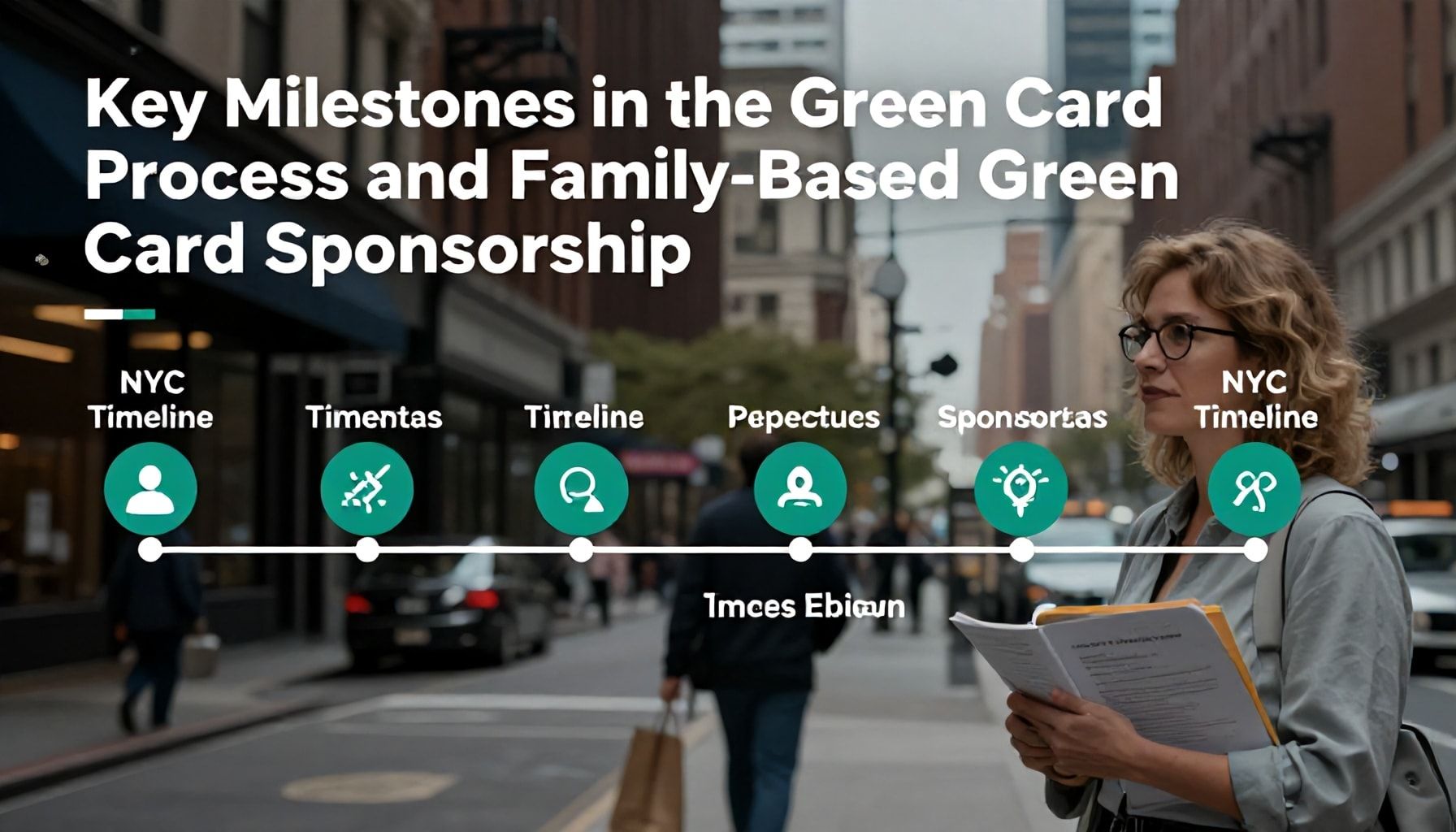
For many New Yorkers, the family-based green card process is a path to stability and opportunity. The journey, however, can be complex and time-consuming. Understanding the timeline helps manage expectations and plan accordingly.
The process begins with filing Form I-130, the petition for alien relative. This step can take 12 to 18 months, according to the latest data from U.S. Citizenship and Immigration Services (USCIS). New Yorkers often turn to local organizations like the New York Legal Assistance Group (NYLAG) for guidance. “We walk families through each step, ensuring they understand the process and their rights,” says a spokesperson from NYLAG.
Once the I-130 is approved, the wait continues. The National Visa Center (NVC) then processes the case, which can take several months. After NVC processing, applicants in the Family Preference categories (F1-F4) must wait for a visa number to become available. This wait can be years, depending on the category and country of origin. Immediate relatives of U.S. citizens, however, do not face this wait.
When a visa number is available, the consular processing or adjustment of status phase begins. This involves medical exams, interviews, and background checks. In NYC, the U.S. Citizenship and Immigration Services office in lower Manhattan handles these final steps. Once approved, the green card arrives, marking a significant milestone for families across the five boroughs.
Navigating this process requires patience and persistence. Local resources, like the NYC Mayor’s Office of Immigrant Affairs, offer workshops and one-on-one assistance to help families stay informed and prepared. Understanding the timeline is the first step in turning the dream of a green card into a reality.
How Processing Times Impact NYC Families
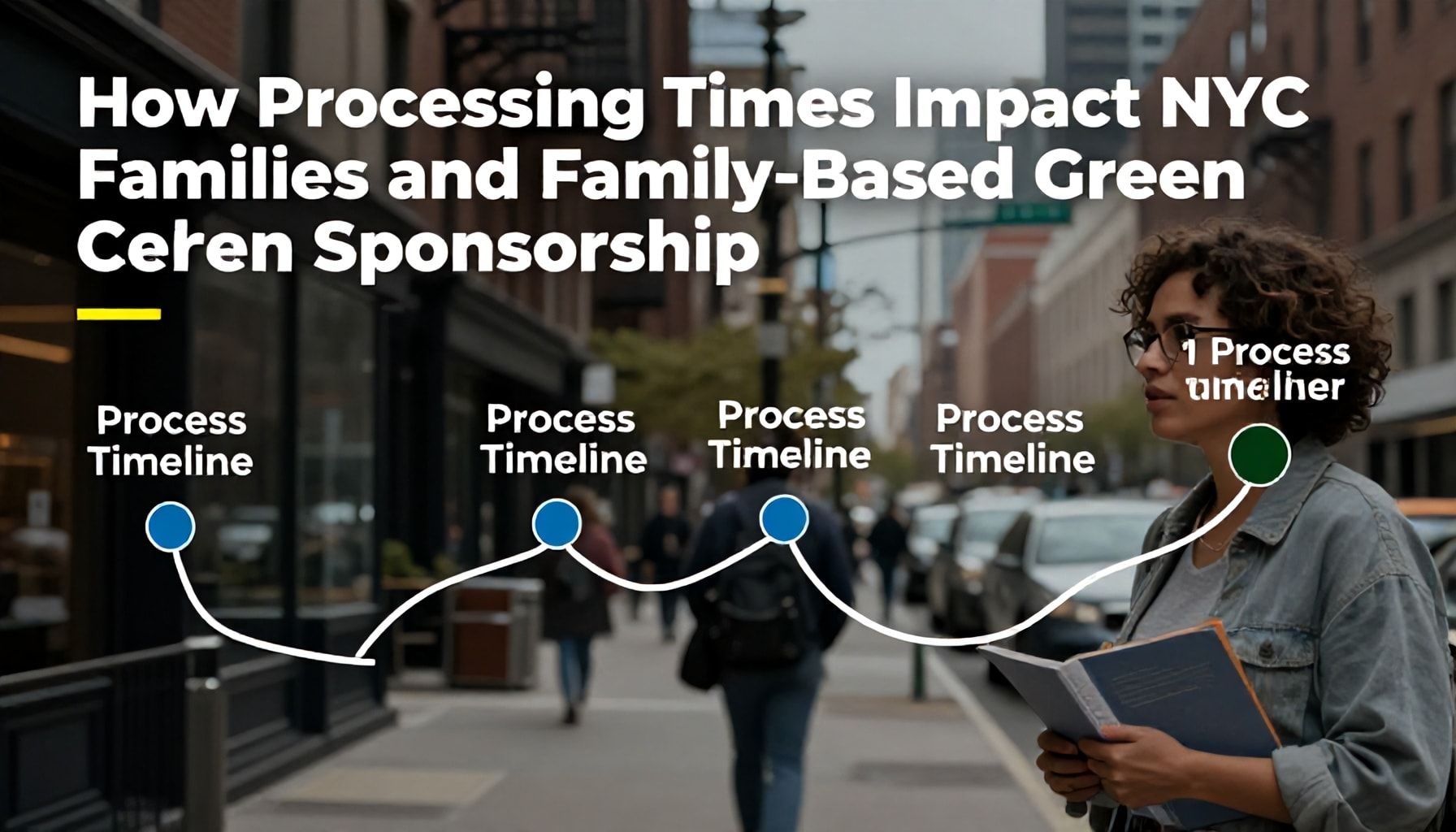
For many New Yorkers, the family-based green card process is a path to stability and opportunity. Yet the wait times can be long, leaving families in limbo. Understanding the timeline is crucial for navigating this complex system.
The process begins with filing Form I-130, the petition for alien relative. Currently, this step takes about 12 to 15 months for immediate relatives, according to U.S. Citizenship and Immigration Services (USCIS) data. For other family-based categories, the wait can extend to several years due to annual caps and visa availability. In NYC, organizations like the New York Immigration Coalition offer guidance to help families understand their specific timelines.
Once the petition is approved, the process moves to the National Visa Center (NVC) and then to a U.S. consulate abroad. This stage can add another 6 to 12 months, depending on the consulate and the applicant’s country of origin. For those already in the U.S., the adjustment of status process can take 12 to 24 months. The NYC-based nonprofit Catholic Charities Community Services provides legal assistance and support to families during this phase.
In neighborhoods like Jackson Heights, Queens, and Sunset Park, Brooklyn, families often rely on community networks for support during these lengthy waits. “The uncertainty is hard, but knowing there are local resources makes a difference,” says Maria Rodriguez, a community organizer in Jackson Heights. For those navigating the family-based green card process, staying informed and connected to local resources can ease the journey.
Navigating Legal Requirements as a New Yorker
For New Yorkers sponsoring family members for green cards, the process can feel overwhelming. The timeline varies depending on the relationship to the sponsor and visa availability. Immediate relatives—spouses, unmarried children under 21, and parents of U.S. citizens—typically face shorter waits. Other family-based categories, like siblings or married children, often have longer backlogs.
First, the sponsor files Form I-130, the Petition for Alien Relative. Processing times at the USCIS Vermont Service Center, which handles many NYC cases, currently range from 12 to 24 months. Once approved, immediate relatives can often move forward with Form I-485, the green card application, while others may face additional waiting periods. For example, siblings of U.S. citizens in the F4 category, a common pathway for many NYC families, currently face wait times of over a decade due to annual visa caps.
Local organizations like the New York Legal Assistance Group (NYLAG) offer free or low-cost help navigating these complexities. “Many families don’t realize they qualify for waivers or expedited processing,” says Maria Elena Perez, an immigration attorney at NYLAG. “Community legal clinics in neighborhoods like Jackson Heights and Sunset Park provide crucial support.”
Transit challenges and long processing times can add stress. Sponsors often juggle appointments at the USCIS field office in Lower Manhattan or the NYC Department of Motor Vehicles for required documents. Online tools like the USCIS Case Status Tracker help, but delays remain common. For those in the final stages, medical exams at authorized clinics—like the one at the Jacobi Medical Center in the Bronx—are mandatory before green card approval.
Patience and preparation are key. Sponsors should gather financial documents, birth certificates, and proof of relationship early. Community workshops, such as those hosted by the Catholic Migration Services in Brooklyn, offer step-by-step guidance. Understanding the timeline helps families plan for the emotional and financial journey ahead.
What's Next for Family Immigration in the City
For many New Yorkers, the family-based green card process is a crucial path to permanent residency. The journey, however, can be complex and time-consuming. Understanding the timeline is the first step for those sponsoring family members from Sunset Park to Throgs Neck.
The process begins with filing Form I-130, the Petition for Alien Relative. This step can take anywhere from 13 to 28 months, according to recent data from the U.S. Citizenship and Immigration Services (USCIS). Once approved, the wait time varies significantly based on the beneficiary’s category and country of origin. For instance, immediate relatives of U.S. citizens typically have the shortest wait, while siblings of U.S. citizens from high-demand countries like Mexico or the Philippines can face waits of a decade or more.
“The timeline is unpredictable, but being prepared makes all the difference,” says Maria Rodriguez, a community advocate with the New York Immigration Coalition. She advises families to stay informed and seek help from local organizations like the Catholic Migration Services in Brooklyn or the MinKwon Center for Community Action in Flushing. These groups offer guidance and support throughout the process.
After the priority date becomes current, the final steps involve consular processing or adjustment of status. This can add another 6 to 12 months. For many New Yorkers, the wait is worth it. “It’s about building a future together,” says Rodriguez, echoing the sentiments of countless families navigating this journey across the five boroughs.
Securing a family-based green card is a significant step toward stability for NYC residents, offering pathways to permanent residency and family reunification. For those sponsoring relatives, understanding the timeline — from petition approval to visa availability — is crucial to managing expectations and planning next steps. Local organizations like the New York Legal Assistance Group (NYLAG) provide free or low-cost legal support to guide families through the process. As immigration policies continue to evolve, staying informed and connected to community resources ensures New Yorkers can navigate the system with confidence and clarity.