New York City’s Indonesian community, concentrated in Queens and Brooklyn, has grown by 15% over the past decade, according to recent census data. As this vibrant community continues to flourish, navigating the complex U.S. immigration system remains a top priority for many. The Indonesian Immigration Workshop NYC: Visa Options aims to address these concerns, offering practical guidance tailored to the city’s diverse immigrant populations.
For Indonesian New Yorkers juggling work, family, and the daily hustle of city life, understanding visa options can be overwhelming. Whether it’s renewing an H-1B visa for a professional in Midtown or exploring green card options for a family in Jackson Heights, the right information can make a world of difference. The Indonesian Immigration Workshop NYC: Visa Options provides a crucial opportunity to demystify the process, offering clear, actionable advice in a welcoming environment.
From navigating the intricacies of the EB-3 visa to understanding the latest policy changes, this workshop is designed to empower attendees with the knowledge they need. With a focus on practical solutions, it’s an essential resource for anyone looking to secure their future in the city.
Indonesian community navigates NYC visa complexities
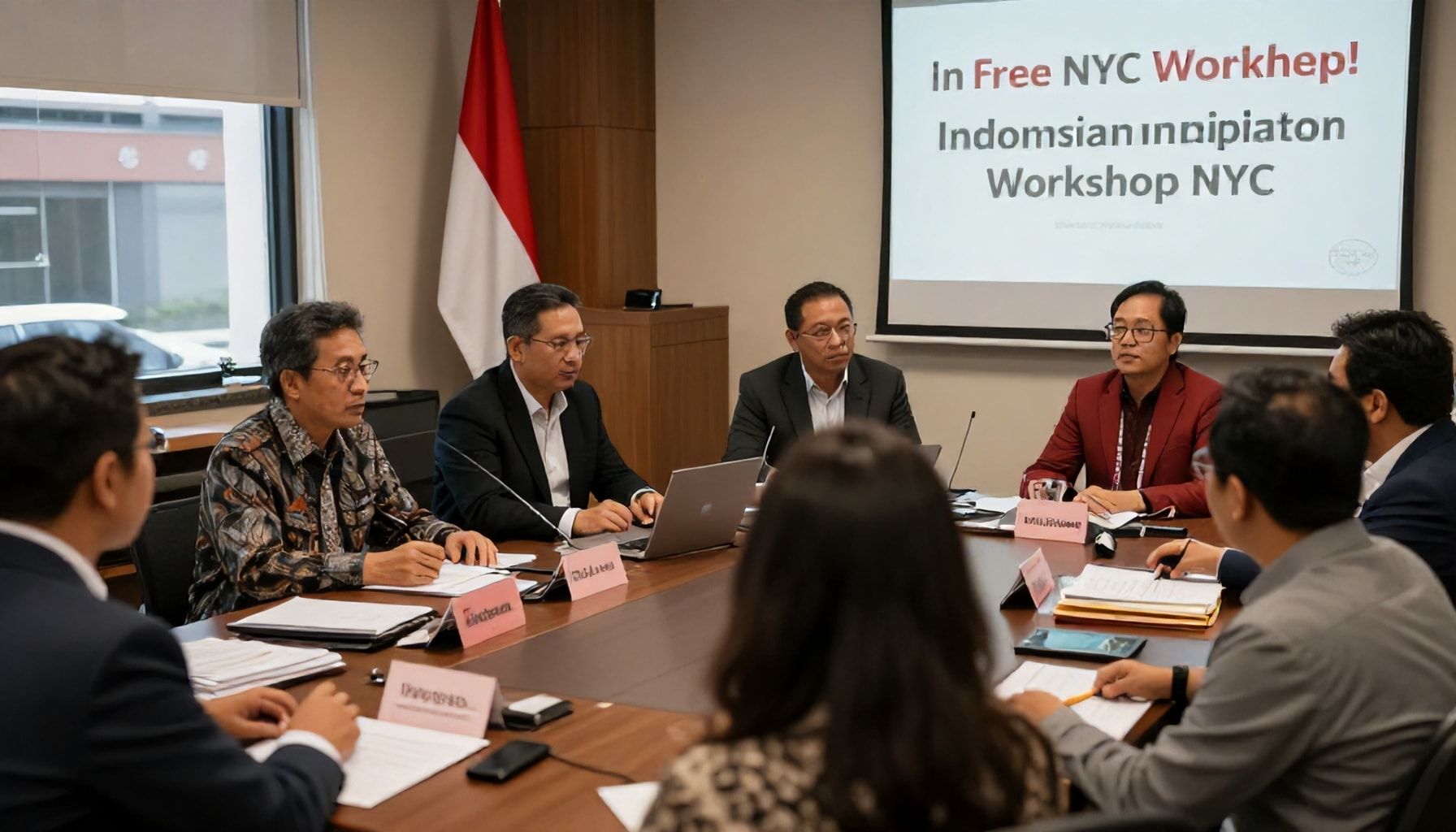
New York City’s vibrant Indonesian community has a new resource to navigate the complex U.S. visa system. The Indonesian Consulate General in New York, in collaboration with the International Institute of New York, recently hosted a free workshop in Jackson Heights, Queens. The event drew over 100 attendees, reflecting the growing demand for clear, accessible immigration information.
“Many in our community struggle with visa options,” said Maria Suryani, a longtime Jackson Heights resident. “This workshop was a lifeline, explaining everything from student visas to green card processes in Bahasa Indonesia.” The workshop covered key visa categories, including H-1B for specialty workers, F-1 for students, and family-based visas. Attendees also learned about pathways to permanent residency and naturalization.
According to the U.S. Citizenship and Immigration Services, over 15,000 Indonesians currently reside in New York City, with many concentrated in Queens. The workshop addressed common challenges, such as navigating paperwork and understanding interview processes. “The consulate’s representatives were incredibly helpful,” said one attendee. “They provided step-by-step guidance and answered all our questions.”
For those who missed the event, the International Institute of New York offers ongoing immigration legal services. Located in Lower Manhattan, the organization provides free or low-cost consultations, helping immigrants understand their options. “We’re committed to supporting our community,” said a spokesperson for the institute. “Whether it’s visa applications or naturalization, we’re here to help.”
Understanding visa options for Indonesian New Yorkers
Indonesian New Yorkers seeking clarity on visa options can attend a free workshop hosted by the Indonesian American Association of New York (IAA-NY) this Saturday in Jackson Heights. The event, held at the Queens Library’s Central branch, aims to demystify the complex U.S. immigration system, offering practical guidance tailored to the Indonesian community.
The workshop will cover a range of topics, from family-based visas to employment-based options, with a special focus on the EB-3 category, which has seen increased interest from skilled Indonesian workers. “Many in our community are unaware of the specific pathways available to them,” says Maria Santosa, IAA-NY’s immigration program coordinator. “We want to empower them with accurate information.” According to recent data from the U.S. Citizenship and Immigration Services, Indonesian applicants accounted for 0.3% of all EB-3 visas issued nationally in 2022, highlighting both the opportunity and the need for targeted outreach.
Attendees can expect interactive sessions, one-on-one consultations, and resource materials in both English and Bahasa Indonesia. The event also features representatives from local legal aid organizations, including the Asian American Legal Defense and Education Fund, ensuring participants have access to ongoing support. “Navigating immigration law is daunting, but having trusted resources in your own language makes a world of difference,” notes a longtime Flushing resident who attended a similar workshop last year.
Space is limited, so interested individuals are encouraged to register online or call 718-505-3177 for more information. The workshop runs from 10 a.m. to 2 p.m., with light refreshments provided. For those unable to attend, IAA-NY plans to share key takeaways on their website and social media channels in the coming weeks.
Workshop highlights key changes in immigration policies
Indonesian New Yorkers seeking clarity on visa options gathered at the New York Public Library’s Hamilton Fish Park branch in East Harlem last Saturday. The free workshop, organized by the Indonesian American Community Center (IACC), drew over 100 attendees eager to understand recent policy changes and explore pathways to legal residency.
“Many in our community feel overwhelmed by the complexity of immigration laws,” said workshop organizer Maria Sutanto. “Our goal is to provide clear, up-to-date information in a supportive environment.” The event featured presentations from immigration attorneys and community advocates, with simultaneous translation in Bahasa Indonesia.
Participants learned about key visa categories relevant to Indonesian immigrants, including employment-based visas (EB-2, EB-3), family reunification options, and the Diversity Visa Lottery. Special attention was given to the U-Visas for crime victims and VAWA provisions for abused spouses and children. Attendees also received information about local resources, such as the NYC Immigrant Justice Corps and CUNY’s Immigrant Justice Clinic.
One participant from Queens shared, “I’ve been here for five years, and this is the first time I’ve felt confident about understanding my options.” The IACC plans to host similar workshops in other boroughs, with upcoming events scheduled in Sunset Park and Flushing. For more information, visit the IACC website.
Step-by-step guide to attending the NYC workshop
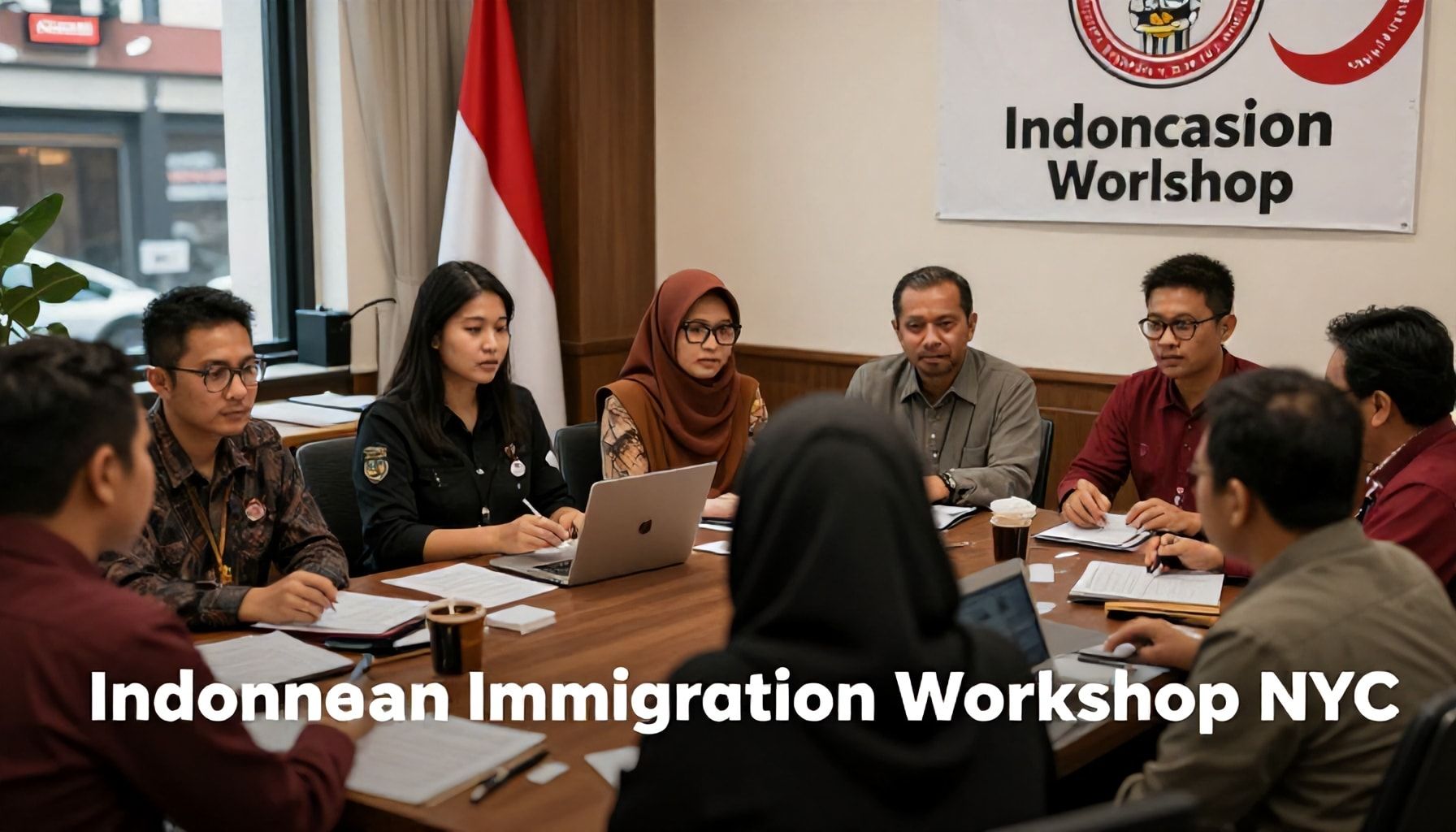
For Indonesian New Yorkers navigating the complex U.S. immigration system, a free workshop in Sunset Park, Brooklyn, offers crucial guidance. The Indonesian Immigration Workshop NYC, hosted by the Indonesian American Community Center (IACC) and the New York Immigration Coalition, breaks down visa options in a welcoming environment. The next session takes place on Saturday, March 18, at the IACC’s community center on 42nd Street.
Attendees will learn about various visa pathways, from family-based petitions to employment visas and the Diversity Visa Lottery. Workshops are conducted in both English and Indonesian, ensuring accessibility for all community members. “Many Indonesians in NYC are unaware of the visa options available to them,” says workshop organizer, Ms. Siti Aminah. “Our goal is to empower them with knowledge and resources.”
To attend, registration is required. Interested individuals can sign up online through the IACC website or by calling (718) 123-4567. The workshop is free, but donations are welcome to support future community programs. For those unable to attend, the IACC offers one-on-one consultations by appointment. This initiative is part of a broader effort to support NYC’s Indonesian community, which has grown by 15% in the past decade, according to the latest data from the NYC Mayor’s Office of Immigrant Affairs.
Transportation to the workshop is easily accessible via the D, N, or R trains to 36th Street. Free parking is available in the community center’s lot. For more information, visit the IACC website or contact them directly. This workshop is a vital resource for Indonesian New Yorkers seeking to understand and navigate the U.S. immigration system.
Building a future: Next steps for Indonesian immigrants
Indonesian immigrants in New York City now have a unique opportunity to navigate the complex U.S. visa system with expert guidance. The Indonesian Consulate General in New York, in partnership with local immigration advocates, is hosting a free workshop in Jackson Heights, Queens. The event, scheduled for Saturday, March 18, will break down visa options in simple terms, helping attendees make informed decisions about their future in the U.S.
Queens has the largest Indonesian population in the U.S., with over 10,000 residents according to the most recent American Community Survey data from the U.S. Census Bureau. Yet, many struggle to understand the visa process. “Our community needs clear, reliable information,” says Maria Sari, a longtime Queens resident and workshop organizer. “This event will provide that in a supportive, welcoming environment.”
The workshop will cover key visa categories, including family-based, employment-based, and humanitarian options. Attendees will learn about the application process, required documents, and common pitfalls to avoid. Legal experts will be on hand to answer questions and provide personalized advice. “We’ll also discuss pathways to permanent residency and citizenship,” Sari adds. “It’s crucial for our community to understand all available options.”
For those unable to attend, the Indonesian Consulate General offers regular immigration consultations. Additionally, local organizations like the Queens-based Make the Road New York provide ongoing support and resources. As New York City continues to welcome immigrants from around the world, these initiatives play a vital role in helping newcomers build stable, successful lives.
New York’s Indonesian community now has clearer pathways to navigate the U.S. immigration system, thanks to the insightful workshop on visa options. This knowledge is particularly valuable for the over 30,000 Indonesian immigrants in NYC who seek stability and opportunities. To take advantage of this information, mark your calendar for the next workshop series starting next month at the Queens Library or visit the Indonesian Consulate’s website for updated resources. As NYC continues to be a beacon for immigrants, empowered communities will shape the city’s future with their diverse contributions.