In the bustling streets of New York City, where cash changes hands as quickly as the subway trains, knowing how to make safe payments is crucial. From the bodegas of Washington Heights to the street vendors in Flushing, both cashier’s checks and money orders are popular payment methods, but choosing the right one can save time and money. For immigrants sending remittances to families abroad or long-time residents paying rent to NYCHA, understanding the differences is key. This guide cuts through the confusion, offering clear insights on Cashier’s Check vs Money Order NYC: When to Use Which. Whether you’re paying a security deposit in Brooklyn or settling a small claims court judgment in Manhattan, making the right choice matters. With fees varying from bank to bank and check-cashing services, knowing when to use each option can help New Yorkers stretch their dollars further.
Understanding Cashier's Checks and Money Orders
Navigating payment methods in New York City can feel overwhelming, especially for immigrants and first-time residents. Two secure options often come up in conversations: cashier’s checks and money orders. Both provide safe alternatives to carrying large amounts of cash, but they serve different purposes.
Cashier’s checks are typically issued by banks and drawn against the bank’s own funds, making them ideal for significant transactions. In NYC, where the median rent hovers around $2,000 according to <a href="https://www.renthop.com/rental-market-trends/manhattan-rent-trends" target="blank”>Renthop, many landlords require cashier’s checks for security deposits. “For large payments, cashier’s checks offer peace of mind,” says Maria Rodriguez, a financial counselor at the <a href="https://www.nyc.gov/site/dca/index.page" target="blank”>NYC Department of Consumer Affairs. “They’re traceable and guaranteed, which is crucial in a city where scams can happen.”
Money orders, on the other hand, are better suited for smaller, everyday payments. Available at post offices, grocery stores, and check-cashing locations across the five boroughs, they’re convenient for paying bills or sending money to family abroad. For instance, many bodegas in Washington Heights and Sunset Park offer money order services, catering to communities that frequently send remittances. “Money orders are affordable and accessible,” notes Ahmed Khan, a shop owner in Jackson Heights. “They’re a lifeline for many in our neighborhood.”
When choosing between the two, consider the amount and purpose. Need to pay a $3,000 security deposit in Brooklyn? A cashier’s check is your best bet. Paying a $50 utility bill in the Bronx? A money order will do. Both methods are widely accepted and safe, ensuring your hard-earned money reaches its destination securely.
Key Differences for New Yorkers
Navigating payment methods in New York City can feel overwhelming, especially for newcomers. Two popular options for safe payments are cashier’s checks and money orders. Both offer security, but they serve different needs. Understanding the key differences can help New Yorkers make informed choices.
Cashier’s checks are issued by banks and drawn on the bank’s funds, not the purchaser’s account. This makes them ideal for large transactions, like security deposits or down payments on apartments. In neighborhoods like Jackson Heights or Sunset Park, where many first-generation immigrants live, cashier’s checks are often preferred for big purchases. “They’re like a promise from the bank,” says Maria Rodriguez, a financial counselor at the Queens-based nonprofit Community Development Credit Union. “Landlords and sellers trust them because they’re guaranteed.”
Money orders, on the other hand, are better for smaller amounts. They’re widely available at post offices, grocery stores, and check-cashing services. In busy areas like Flushing or Washington Heights, money orders are a common sight. They’re convenient for paying bills or sending money to family abroad. The U.S. Postal Service offers money orders up to $1,000, while retailers like Western Union or MoneyGram have their own limits. According to the USPS, over 140 million money orders were sold in 2022, showing their popularity.
For New Yorkers, the choice depends on the situation. Cashier’s checks are best for significant transactions where security is paramount. Money orders are practical for everyday payments. Both methods help avoid carrying large sums of cash, reducing the risk of theft. Whether you’re in Staten Island or the Bronx, knowing when to use each can save time and stress.
When to Choose Each Payment Method
Navigating payment methods in New York City can feel like choosing between a subway ride and a cab—both get you there, but the context matters. Cashier’s checks and money orders are two secure options for sending money, but knowing when to use each can save time and hassle. Cashier’s checks, issued by banks, are ideal for large payments like security deposits or car purchases. They’re drawn against the bank’s funds, making them as good as cash. Money orders, available at places like Western Union or the post office, are better for smaller amounts. They’re convenient and often cheaper for amounts under $1,000.
In neighborhoods like Jackson Heights or Sunset Park, where many small businesses thrive, money orders are a common sight. “I use money orders for rent because it’s easier and my landlord prefers it,” says Maria Rodriguez, a longtime Queens resident. For larger transactions, though, a cashier’s check might be the way to go. If you’re buying an apartment in Brooklyn or putting down a deposit on a co-op in Manhattan, a cashier’s check is often required. It’s a safer bet than carrying large amounts of cash, and it leaves a paper trail.
Both methods have their place in the city’s diverse financial landscape. Money orders are widely accessible, with locations throughout the five boroughs. You can pick one up at a bodega, pharmacy, or post office. Cashier’s checks, on the other hand, require a bank account. If you’re unbanked, services like the NYC Office of Financial Empowerment can help you explore options. Whether you’re sending money to family abroad or making a local payment, choosing the right method can make all the difference.
How to Purchase and Use Them Safely in NYC
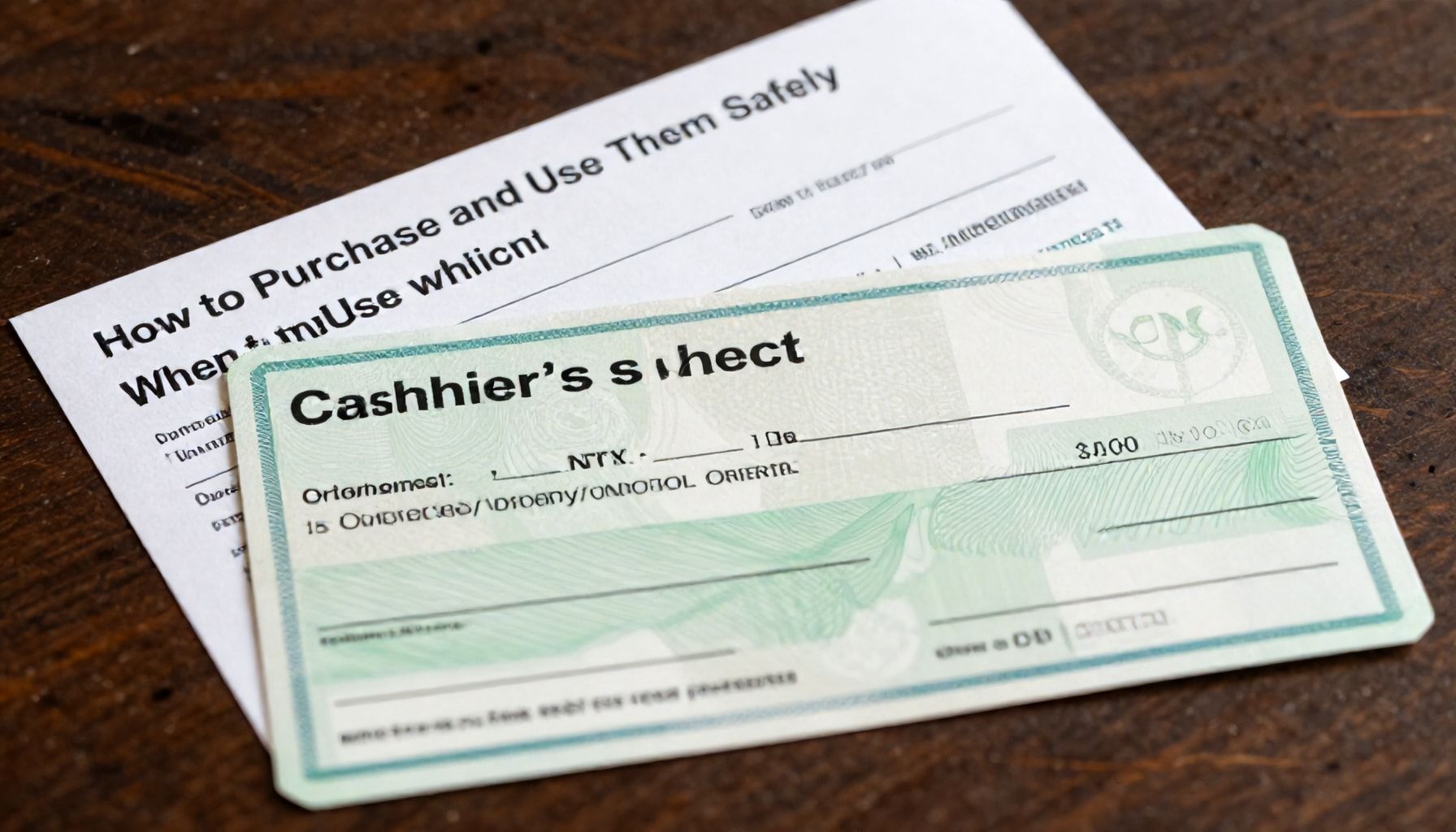
Navigating payment options in New York City can feel overwhelming, especially for immigrants or first-time renters. Two common choices—cashier’s checks and money orders—offer secure alternatives to cash, but they serve different needs. Understanding the distinctions helps avoid scams and ensures smooth transactions.
Cashier’s checks, issued by banks, are ideal for large payments like security deposits or car purchases. They draw directly from the bank’s funds, making them nearly risk-free for recipients. In NYC, where rental scams are rampant, cashier’s checks provide crucial protection. However, they require a bank account and may involve fees, typically $5-$15. For those without bank access, money orders are a better fit. Sold at post offices, pharmacies, and grocery stores, they’re perfect for smaller payments like utility bills or small rent payments. Each money order caps at $1,000, with fees around $1-$5. The U.S. Postal Service offers money orders up to $1,000, while stores like Walmart and CVS have lower limits.
“Many of our clients, especially immigrants, rely on money orders because they’re accessible and don’t require a bank account,” says Maria Rodriguez, a housing counselor at the nonprofit Community Action NYC. She advises clients to always request a receipt and verify the money order’s authenticity before handing over cash. Scams involving fake money orders are unfortunately common in the city.
When choosing between the two, consider the payment amount and your banking status. For significant transactions, a cashier’s check from a trusted NYC bank like Chase or Citibank offers peace of mind. For smaller, frequent payments, money orders from USPS or local bodegas provide convenience. Always prioritize safety: verify recipients’ identities and keep records of all transactions. In a city where trust is currency, knowing your payment options is power.
Navigating Payment Options in the Digital Age
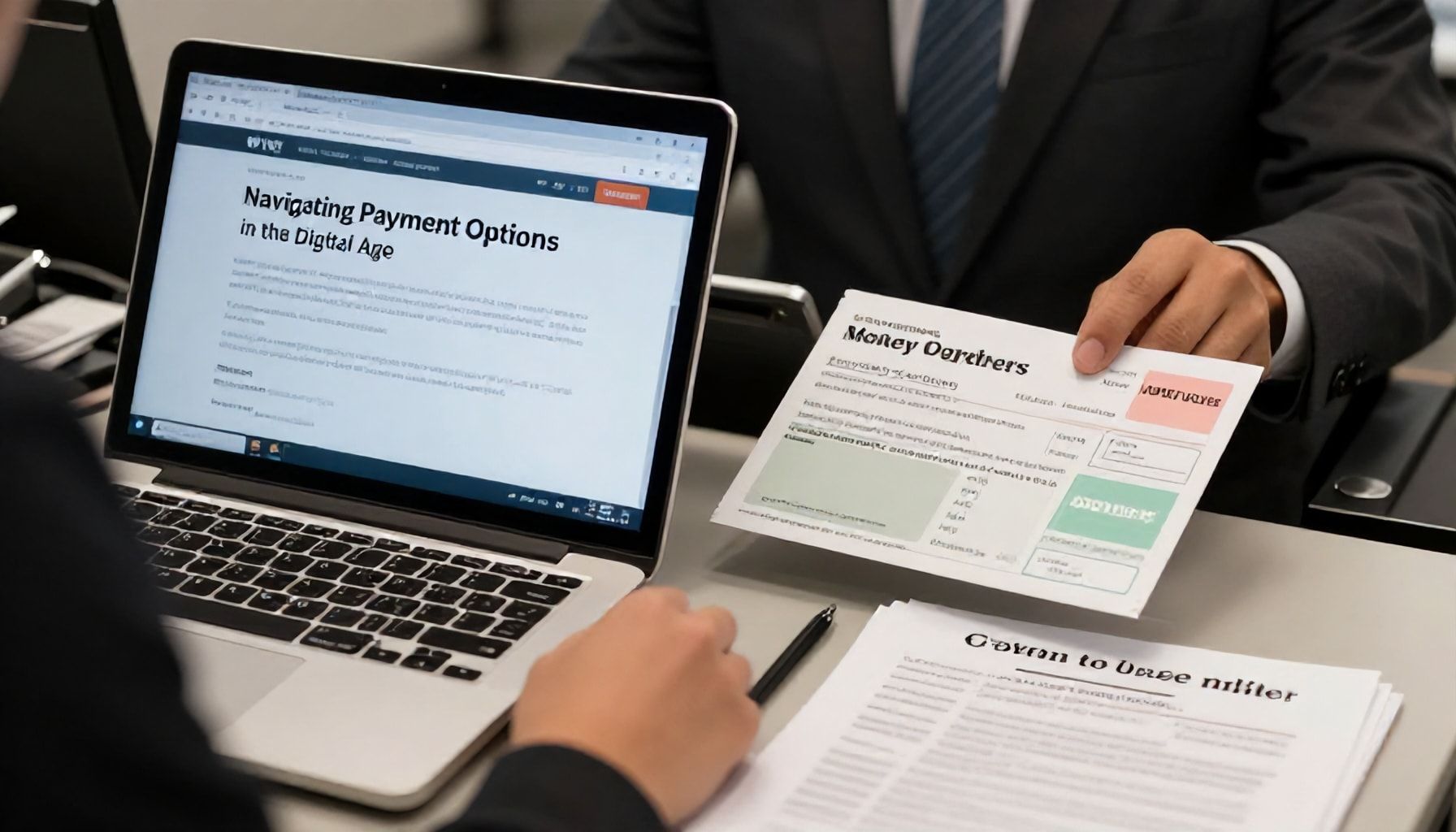
New Yorkers juggling rent, utilities, and family support know the importance of safe, reliable payment methods. When sending money, two options stand out: cashier’s checks and money orders. Both offer security over cash, but they serve different needs in the city’s fast-paced economy.
Cashier’s checks, issued by banks, are ideal for large payments. Landlords in neighborhoods like Washington Heights or Flushing often require them for security deposits. They’re drawn against the bank’s funds, making them virtually guaranteed. However, fees can range from $5 to $15, a consideration for those budgeting tightly. The New York City Housing Authority, for instance, accepts cashier’s checks for certain payments, but always verify requirements.
“Many of our clients prefer money orders for smaller, regular payments,” says Maria Rodriguez, a financial counselor at the nonprofit United Way of NYC. “They’re affordable and accessible.” Money orders, available at post offices, supermarkets, and check-cashing stores across the five boroughs, cap at $1,000. They’re perfect for sending rent to a landlord in East New York or paying a utility bill. Fees vary: the U.S. Postal Service charges $1.25 for amounts up to $500, while stores like Walmart offer money orders for as low as $0.88.
Both methods have their place. Cashier’s checks suit substantial, one-time payments, while money orders handle smaller, frequent transactions. For New Yorkers navigating the city’s complex financial landscape, understanding these tools ensures payments are safe and stress-free.
New Yorkers now have clear options for secure payments, whether it’s the flexibility of money orders for smaller amounts or the reliability of cashier’s checks for larger transactions. When in doubt, visit a local post office or bank branch to purchase the right payment method for your needs. As the city continues to evolve, staying informed about financial tools empowers residents to navigate NYC’s dynamic economy with confidence.