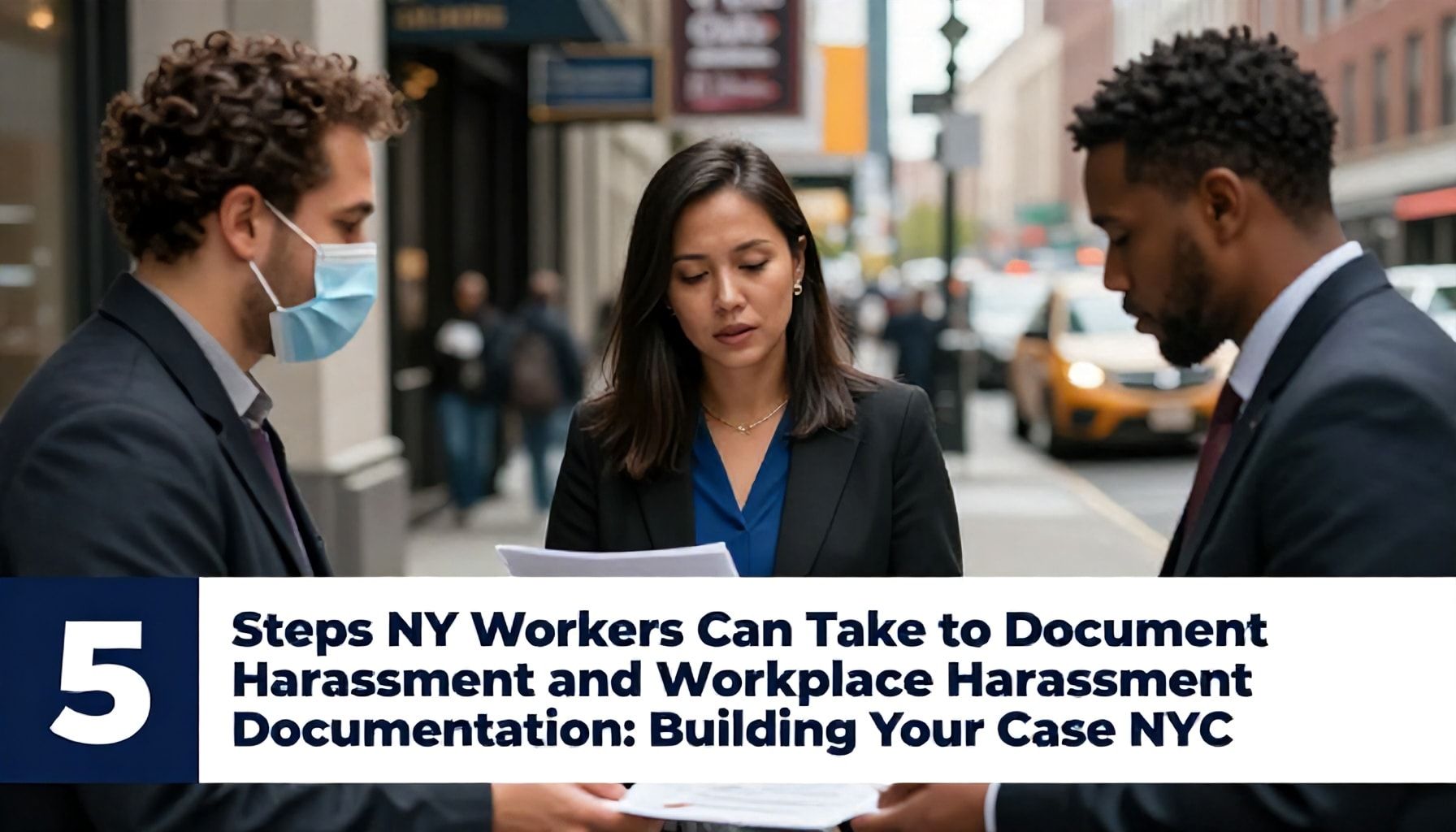
New York City workers are no strangers to the pressures of the job, but for many, the workplace presents an even more insidious challenge: harassment. Recent data from the NYC Commission on Human Rights shows a 15% increase in workplace harassment complaints over the past three years, with significant reports coming from neighborhoods like Jackson Heights, Flushing, and Sunset Park. Whether it’s a cashier in a bodega, a nurse in a Harlem hospital, or a construction worker in Brooklyn, harassment can happen anywhere—and to anyone.
For New Yorkers who face harassment at work, knowing how to document incidents can be the difference between a dismissed claim and a strong case. Workplace Harassment Documentation: Building Your Case NYC is a critical tool for workers navigating this difficult terrain. From the moment an incident occurs, every detail matters—whether it’s a text message, an email, or a witness statement. But where do you start? How do you ensure your documentation is thorough and effective? This guide breaks down the essential steps to build a solid case, helping workers across the city protect their rights and seek justice.
Understanding Workplace Harassment in NYC
New York City workers facing harassment know the importance of documentation. Whether it’s in a bustling Midtown office or a quiet Brooklyn workshop, having a solid record can make all the difference when building a case. The New York City Commission on Human Rights reports that workplace harassment complaints have been steadily rising, emphasizing the need for workers to know their rights and how to protect themselves.
First, always keep a detailed record of each incident. Note the date, time, location, and any witnesses. In neighborhoods like Jackson Heights or Sunset Park, where diverse communities often face language barriers, consider keeping records in your preferred language. The Asian American Legal Defense and Education Fund offers multilingual resources to help. Next, save any physical evidence, like emails, texts, or voicemails. If it’s safe to do so, take photos or videos. In a city as vibrant and fast-paced as New York, evidence can disappear quickly.
Third, inform your employer or HR department in writing. Send an email or letter detailing the harassment and your previous attempts to address it. Keep a copy for your records. Fourth, seek support from local organizations. Groups like the National Organization for Women (NOW) – NYC Chapter or the New York City Anti-Violence Project can provide guidance and resources. Fifth, consult with an attorney. Many law firms in NYC offer free consultations. The Legal Aid Society also provides free legal services to those who qualify.
Documenting harassment can feel overwhelming, but taking these steps can empower workers to protect their rights. In a city as diverse and dynamic as New York, every worker deserves a safe and respectful workplace. By building a strong case, workers can take a crucial step towards justice and healing.
How Harassment Documentation Protects NYC Workers
Workplace harassment is a reality for too many New Yorkers. Whether it’s in the bustling offices of Midtown, the quiet corridors of a Brooklyn nonprofit, or the busy kitchens of a Queens restaurant, harassment can happen anywhere. Documenting these incidents is crucial for protecting your rights and building a strong case. Here are five steps NYC workers can take to document harassment effectively.
First, keep a detailed record of each incident. Note the date, time, location, and what exactly happened. Be specific about who was involved and any witnesses present. This information is vital for creating a clear timeline of events. The Asian American Legal Defense and Education Fund (AALDEF) offers workshops on workplace rights that can help you understand what to document.
Second, preserve evidence. Save any harassing messages, emails, or notes. If harassment occurs in person, consider recording it if it’s legal in your state. New York is a one-party consent state, meaning you can record conversations you’re part of without the other person’s knowledge. However, always check the latest laws or consult with an expert to ensure you’re compliant.
Third, report the harassment to your employer or HR department. Follow your company’s protocol for reporting incidents. If you’re uncomfortable doing this in person, consider sending an email or written statement. This creates an official record of your complaint. The NYC Commission on Human Rights provides resources and support for workers facing harassment.
Fourth, seek support from colleagues or community organizations. Talking to trusted coworkers can provide emotional support and potential witnesses. Organizations like the National Domestic Workers Alliance (NDWA) offer resources and advocacy for workers in various industries. Fifth, consult with an attorney. If the harassment continues or your employer fails to act, legal advice can help you understand your options. The Legal Aid Society offers free legal services to eligible New Yorkers.
Documenting harassment can be challenging, but it’s a critical step in protecting your rights. By keeping detailed records, preserving evidence, reporting incidents, seeking support, and consulting with an attorney, you can build a strong case and take action against workplace harassment. Remember, you have rights, and there are resources available to help you navigate this difficult situation.
Key Elements to Include in Your Records
Documenting workplace harassment can feel overwhelming, but it’s a crucial step for New Yorkers seeking justice. The city’s Human Rights Law protects workers from harassment based on race, gender, age, and other protected classes. Yet, many cases hinge on the evidence employees gather. Here’s how to build a strong case.
First, keep a detailed record of each incident. Note the date, time, location, and any witnesses. Include what was said or done, and how it made you feel. In neighborhoods like Jackson Heights or Sunset Park, where diverse workplaces are common, language barriers can make documentation even more critical. Consider translating notes into your preferred language if English isn’t your first tongue.
Second, save all related communications. Emails, texts, or voicemails that demonstrate harassment should be preserved. If you’re uncomfortable using company devices, use your own. The NYC Commission on Human Rights offers multilingual resources to help workers understand their rights. “Documentation is power,” says Commissioner Emma Wolfe. “It can make the difference between a dismissed claim and a resolved case.”
Third, report incidents internally if you feel safe doing so. Follow your company’s harassment policy, usually found in the employee handbook. If not, consult free legal aid organizations like the Legal Aid Society or Make the Road New York. They offer workshops and one-on-one support in multiple languages. Remember, documentation isn’t just about paper trails—it’s about protecting your rights in a city where workplace harassment remains a persistent issue.
Finally, seek support. Harassment takes a toll, and NYC offers resources. The NYC Worker’s Rights Hotline (212-602-2670) provides confidential assistance. Community organizations, like those in Flushing or Washington Heights, can also offer guidance. By documenting harassment, you’re not just building a case—you’re taking a stand against injustice in your workplace and beyond.
Practical Steps for Collecting Evidence in NYC
Workplace harassment is an unfortunate reality for many New Yorkers. Whether you’re in a bustling office in Midtown or a quiet shop in Sunset Park, documenting harassment is crucial for protecting your rights. Here’s how to build your case.
First, keep a detailed record of every incident. Note the date, time, location, and any witnesses. Be specific about what was said or done. If you’re in a unionized workplace, your union representative can guide you through this process. For non-union workers, organizations like the NYC Department of Consumer and Worker Protection offer resources and support. Remember, your notes could be vital evidence if you decide to take legal action.
Second, preserve any physical evidence. This could be emails, text messages, or even voicemails. If you receive harassing messages, don’t delete them. Instead, save them in a secure location. “Preserving evidence is key,” says a spokesperson from the NYC DCWP. “It strengthens your case and helps us hold harassers accountable.”
Third, report the harassment to your employer or supervisor. Follow your company’s policy for reporting harassment. If you’re uncomfortable doing this alone, consider asking a trusted colleague to accompany you. If your employer doesn’t take action, you can file a complaint with the NYC DCWP or the Equal Employment Opportunity Commission. Remember, you have rights, and there are people who can help you enforce them.
Lastly, seek support. Harassment can take a toll on your mental health. Organizations like the NYC DCWP and the NYC DCWP offer resources and support for workers who have experienced harassment. Don’t suffer in silence. Reach out to these organizations for help and guidance.
Building a Stronger Case for Future Protections
Workplace harassment remains a persistent issue in New York City, with the NYC Commission on Human Rights receiving over 4,000 complaints in 2022 alone. For workers facing harassment, thorough documentation can be a critical step in protecting their rights and seeking justice. Here’s how to build a strong case.
First, keep a detailed record of every incident. Note the date, time, location, and any witnesses. Include specifics about what was said or done, and how it made you feel. In a city as diverse as New York, harassment can take many forms—verbal, physical, or digital—so document everything, no matter how small it may seem. The Asian American Legal Defense and Education Fund (AALDEF) offers resources in multiple languages to help workers navigate these situations.
Second, preserve evidence. Save emails, texts, or voicemails that demonstrate harassment. If the harassment occurs in a shared workspace, like a restaurant in Flushing or a factory in Sunset Park, take photos or videos if it’s safe to do so. In cases of online harassment, screenshot messages and note the usernames or IP addresses. The NYC Anti-Violence Project provides support for LGBTQ+ workers facing digital harassment.
Third, report incidents to your employer in writing. Follow your company’s policies for reporting harassment, and keep copies of all correspondence. If your employer fails to act, consider filing a complaint with the NYC Commission on Human Rights or the U.S. Equal Employment Opportunity Commission (EEOC). Organizations like Make the Road New York offer legal assistance to workers who need help navigating these processes.
Finally, seek support. Harassment can take a toll on mental health, so reach out to community organizations or legal aid groups for guidance. The NYC Alliance Against Sextortion provides resources for workers facing online harassment, while the Legal Aid Society offers free legal services to low-income New Yorkers. By taking these steps, workers can strengthen their case and protect their rights in the workplace.
Documenting workplace harassment isn’t just about protecting yourself—it’s about empowering your community and holding employers accountable. For NYC workers, this means understanding your rights under local and state laws, which often provide stronger protections than federal regulations. Start by keeping a detailed record of incidents, including dates, times, and any witnesses, and consider reaching out to organizations like the NYC Commission on Human Rights or Legal Aid Society for guidance. As New York continues to lead the way in workplace protections, your actions today could inspire broader change tomorrow.