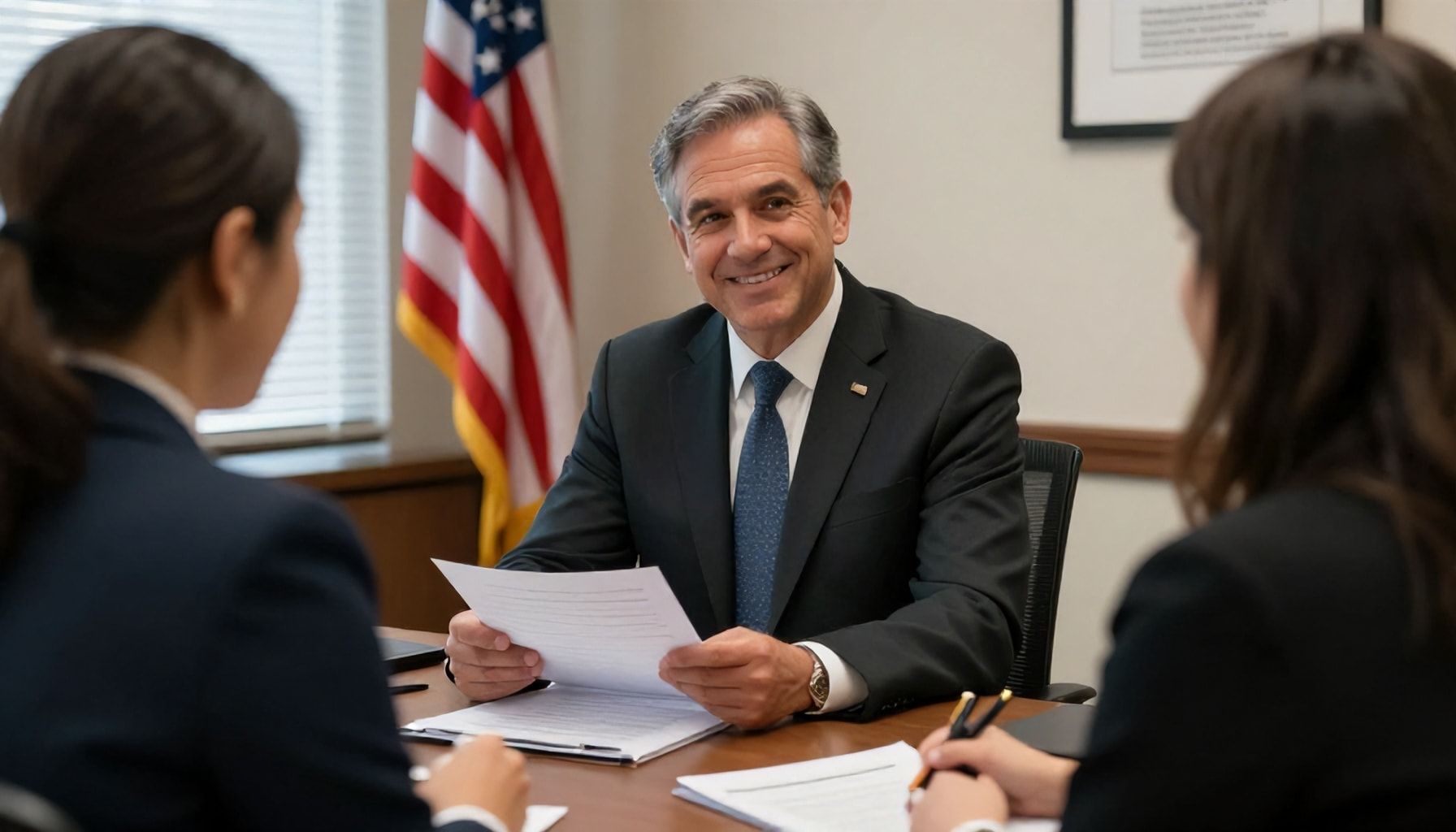
New York City’s immigrant communities have always been the lifeblood of the city, contributing to its vibrant culture and economy. With over 3.1 million foreign-born residents, NYC remains a beacon for those seeking citizenship. Recent data shows a 10% increase in naturalization applications from 2022 to 2023, reflecting the growing desire among New Yorkers to fully participate in civic life. Whether you’re a longtime resident of Sunset Park or a newer arrival in Jackson Heights, preparing for the naturalization interview is a crucial step in this journey. Navigating the process can feel overwhelming, but with the right focus, you can approach your interview with confidence. Understanding what to study for the Naturalization Interview Preparation NYC: What to Study is essential for success. From mastering U.S. history and government to practicing English skills, knowing the key topics can make all the difference. This guide highlights the five essential areas to focus on, ensuring you’re well-prepared to take this significant step toward becoming a U.S. citizen. Whether you’re studying at a local library in the Bronx or attending a community workshop in Queens, these tips will help you stay on track and ready for your interview.
Understanding the Naturalization Process in NYC
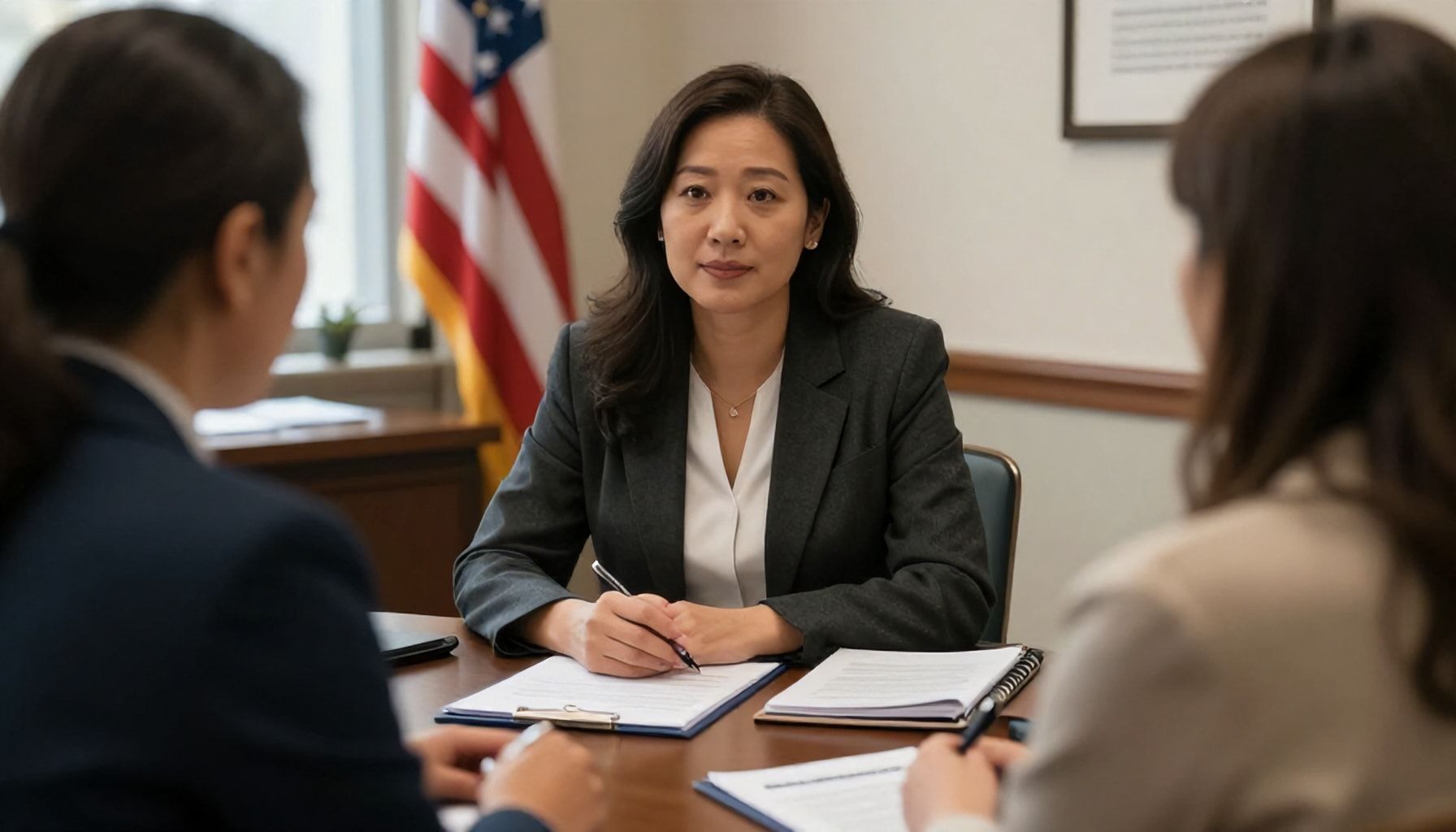
Preparing for your NYC naturalization interview can feel overwhelming, but breaking it down into key topics can make the process more manageable. One of the most crucial areas to focus on is U.S. history and government. Familiarize yourself with the basic principles of American democracy, the branches of government, and significant historical events. The U.S. Citizenship and Immigration Services (USCIS) provides a list of 100 potential questions, so practicing these can be incredibly helpful. Local organizations like the New York Public Library offer free citizenship preparation classes, where you can study these topics in a supportive environment.
Another essential area is English language proficiency. During the interview, you’ll need to demonstrate your ability to read, write, and speak basic English. Practicing with a friend or joining a language exchange group can be beneficial. The International Rescue Committee in NYC offers English classes tailored to immigrants preparing for naturalization. Don’t forget to review common vocabulary related to civics and everyday life in the U.S.
Understanding your rights and responsibilities as a U.S. citizen is also vital. This includes knowing how to participate in the democratic process, such as voting and jury duty. The NYC Mayor’s Office of Immigrant Affairs provides resources and workshops to help you understand these aspects. Additionally, be prepared to discuss your personal history and background. The USCIS officer will ask about your application details, so ensure all information is accurate and consistent.
Lastly, stay informed about current events and issues in the U.S. This not only helps with the interview but also keeps you engaged with your new community. According to a recent report by the Mayor’s Office of Immigrant Affairs, over 3.1 million immigrants reside in NYC, making it one of the most diverse cities in the world. Embracing this diversity and understanding the local context can enrich your naturalization journey. “Preparation is key,” says Maria Gonzalez, a program coordinator at the New York Public Library. “The more you practice and review, the more confident you’ll feel on the day of your interview.”
Key Documents You'll Need for Your Interview
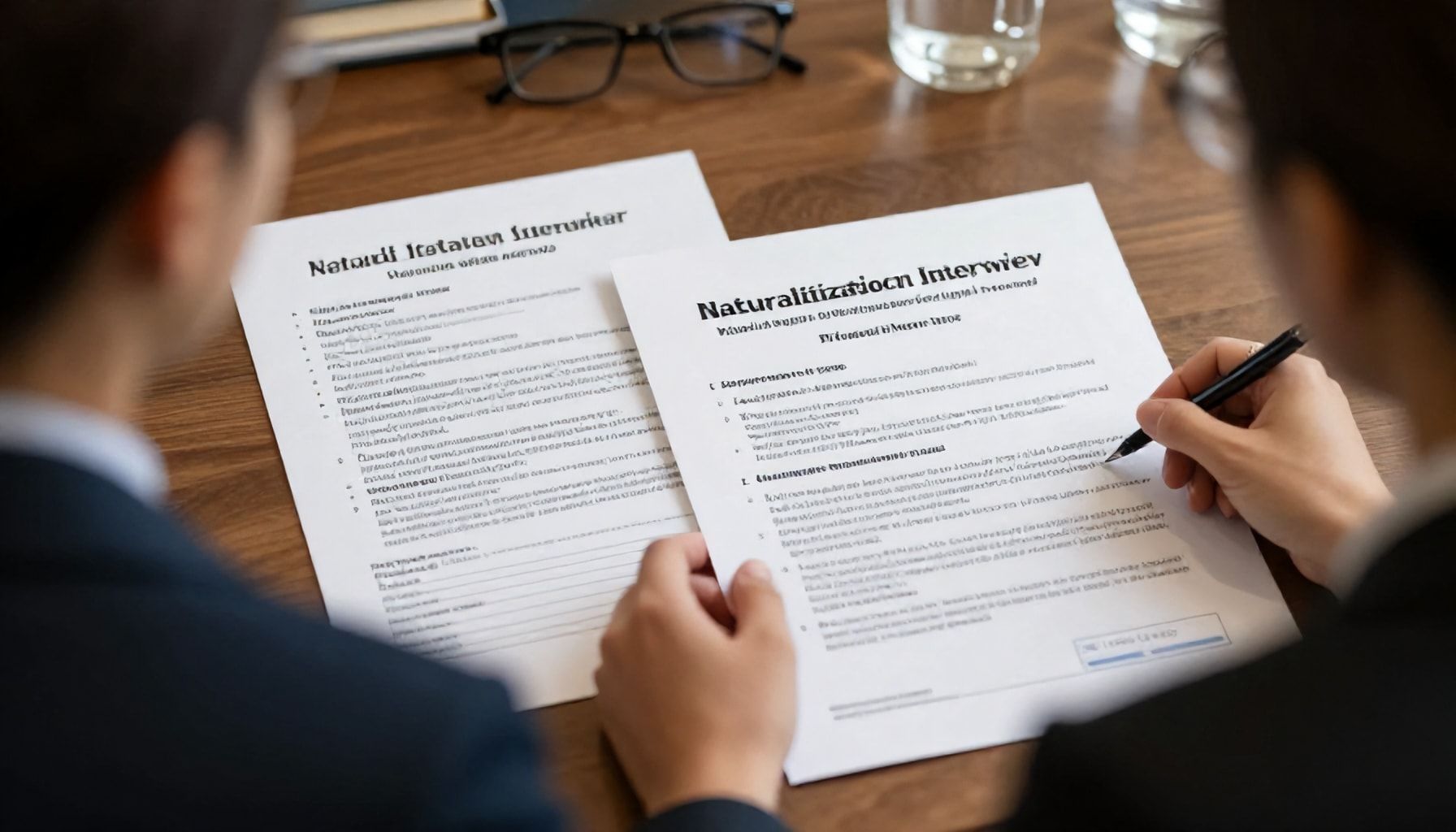
Preparing for your NYC naturalization interview means more than just reviewing U.S. history and government. The U.S. Citizenship and Immigration Services (USCIS) will test your English skills, knowledge of civics, and commitment to the Constitution. But don’t worry—with focused study and practice, you’ll be ready to ace it.
Start with the basics: memorize the 100 civics questions. The USCIS website offers study materials, but local organizations like the International Rescue Committee (IRC) in Brooklyn and the New York Public Library’s citizenship classes provide tailored support. Practice with a friend or in a study group to build confidence. Remember, the interview is as much about demonstrating your understanding as it is about recalling facts.
English proficiency is another key area. The interview will assess your ability to read, write, and speak basic English. Brush up on vocabulary, grammar, and conversation skills. NYC’s diverse communities offer plenty of language exchange programs and adult education classes. For example, the YMCA of Greater New York provides affordable English classes across the five boroughs. Don’t forget to practice speaking aloud—whether it’s ordering coffee in Jackson Heights or chatting with neighbors in Sunset Park.
According to the USCIS, the naturalization test pass rate in NYC is around 90%. To join that majority, focus on understanding the material, not just memorizing it. Use real-life examples to connect with the concepts. For instance, think about how local elections in your neighborhood relate to the democratic process. The more you can relate the material to your daily life, the easier it will be to remember and apply during the interview.
Finally, gather all necessary documents. This includes your permanent resident card, state ID, and any court or military records. Double-check the USCIS website for a complete list. Being organized will help you feel more confident and prepared on the big day. Good luck—soon, you’ll be a proud U.S. citizen!
How NYC's Diversity Shapes Citizenship Experiences
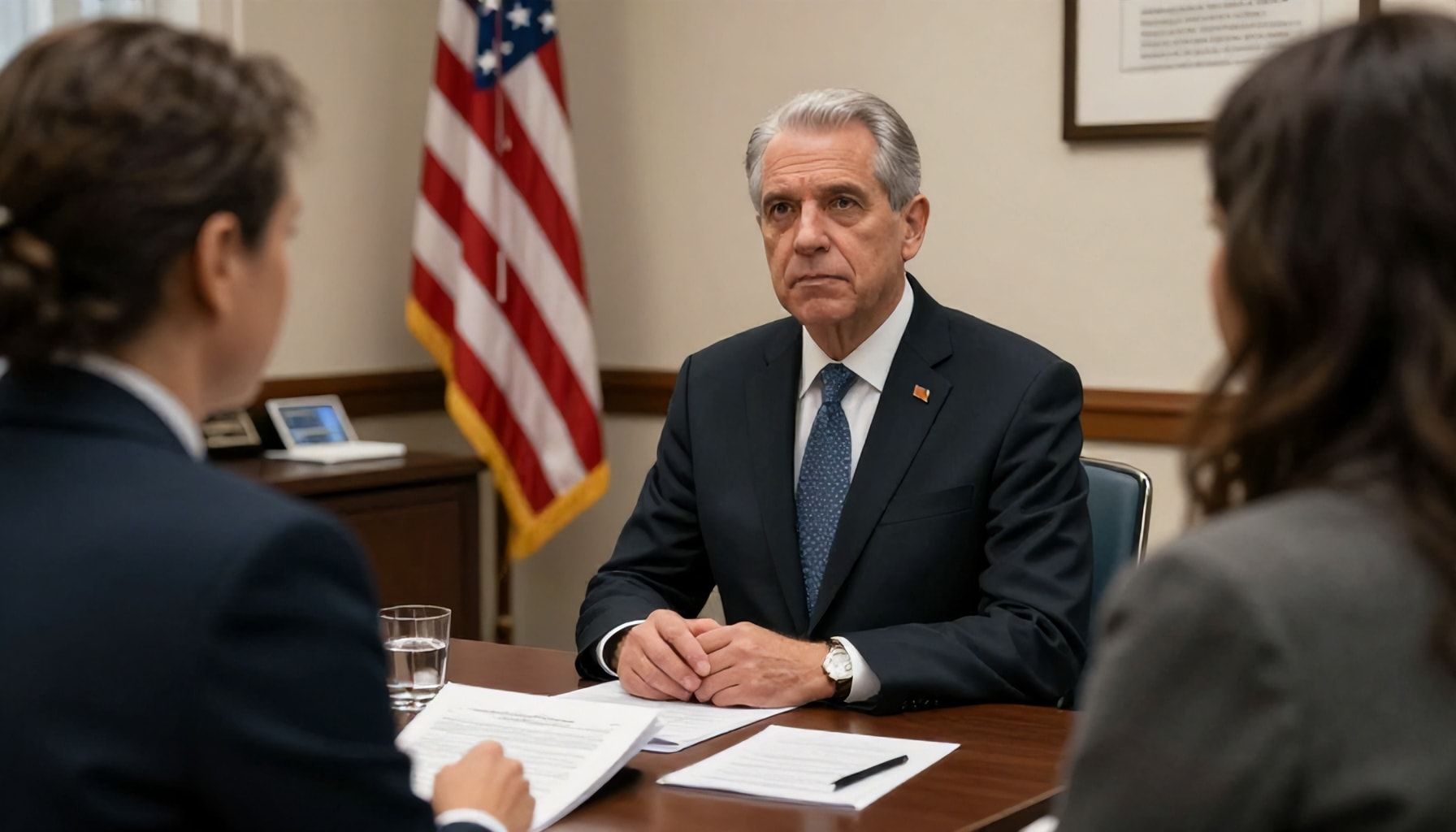
New York City’s vibrant diversity means the path to U.S. citizenship looks different for every resident. Whether you’re from Sunset Park’s Bangladeshi community, Washington Heights’ Dominican enclave, or Flushing’s bustling Chinatown, preparing for your naturalization interview requires understanding key topics that reflect your unique NYC experience.
First, know your local history. The U.S. Citizenship and Immigration Services (USCIS) may ask about your neighborhood’s evolution. For instance, a Brooklyn resident might discuss how the borough transformed from a Dutch trading post to a global cultural hub. The NYC & Company website offers neighborhood histories that can help with this.
Next, brush up on civics. While the national test covers 100 potential questions, NYC-specific resources can make studying more engaging. The New York Public Library offers free citizenship classes and practice tests tailored to the city’s diverse communities. Remember, you’ll need to answer six out of 10 questions correctly to pass this portion of the interview.
“Understanding your rights and responsibilities as a New Yorker is crucial,” says Mariaelena Deaett, Director of Immigrant Affairs for New York City. She recommends reviewing the NYC Mayor’s Office of Immigrant Affairs resources, which provide clear, accessible information on everything from voting rights to jury duty.
Lastly, practice English. While some applicants qualify for interviews in their native language, strong English skills can boost your confidence. NYC’s Adult Literacy Program offers free classes across the five boroughs. Don’t forget to review the N-400 form vocabulary, as interviewers may ask about specific details from your application.
Practical Tips for Navigating the Interview Day
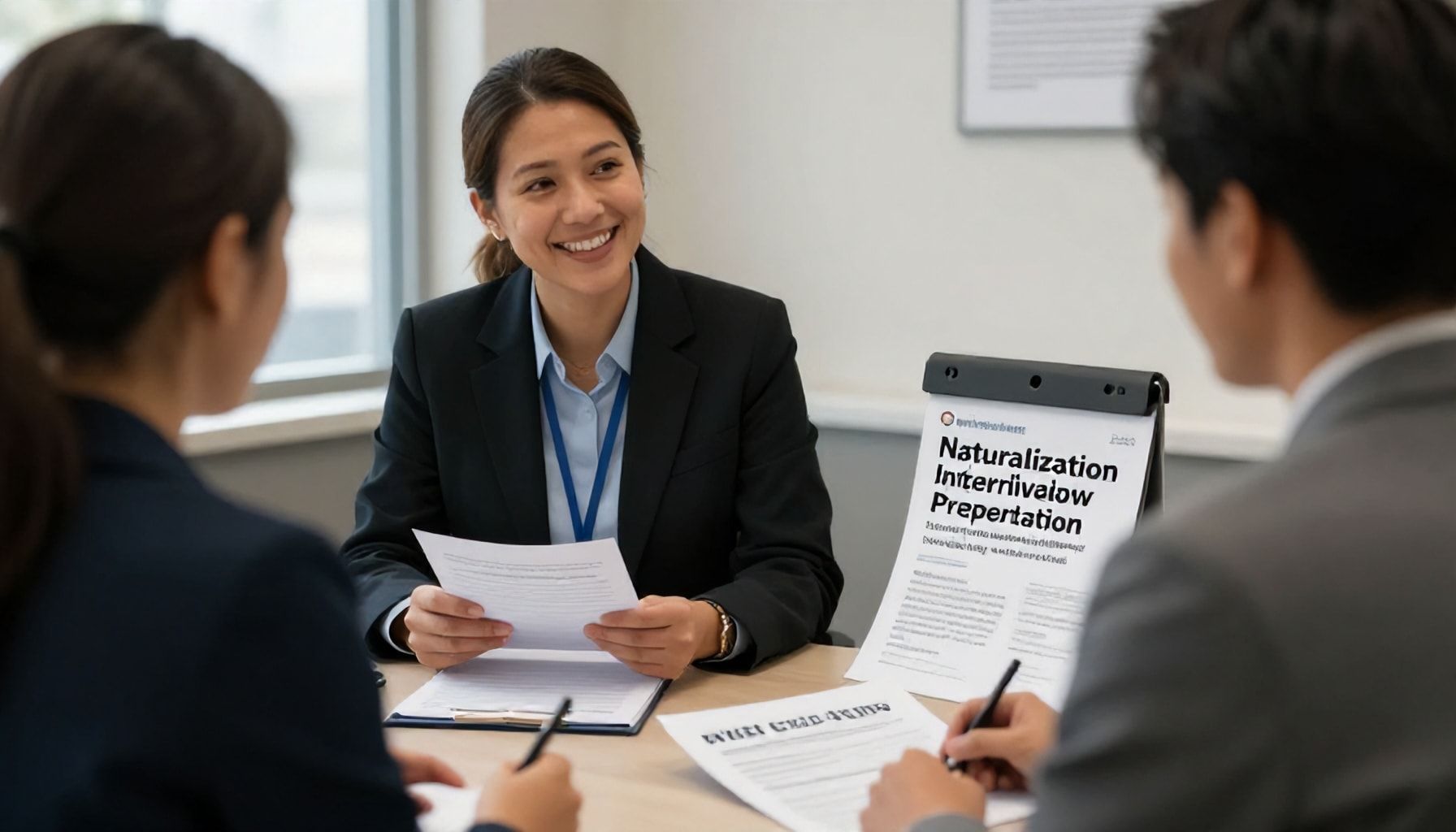
The path to U.S. citizenship takes a critical turn at the naturalization interview. For New Yorkers, this moment can feel both exhilarating and overwhelming. To help, here are five key topics to focus on as you prepare.
First, know your application inside out. The USCIS officer will ask questions based on your N-400 form. Double-check dates, addresses, and details about your background. Mistakes here can delay your process. Practice explaining any gaps in employment or time spent outside the U.S. with clarity and honesty.
Next, brush up on U.S. civics and history. While the test may seem daunting, resources abound. The New York Public Library offers free study materials and practice tests. Focus on the 100 civics questions, but also understand key historical events and government functions. Remember, you’ll need to answer six out of ten questions correctly.
Language proficiency is another cornerstone. You’ll need to read, write, and speak basic English. If you’re nervous, consider practicing with a language exchange partner or taking a class at a local community center. Organizations like the International Rescue Committee in Brooklyn offer tailored support for immigrants.
Lastly, prepare for the oath of allegiance. This is more than memorization—it’s a commitment. Reflect on what citizenship means to you. For many New Yorkers, it’s about belonging, opportunity, and contributing to this diverse city. Stay calm, speak clearly, and embrace this significant moment.
For personalized guidance, reach out to local immigration services. The NYC Mayor’s Office of Immigrant Affairs provides resources and referrals. They can connect you with accredited representatives who understand the nuances of the process. Good luck—you’ve got this!
Preparing for Life as a New NYC Citizen
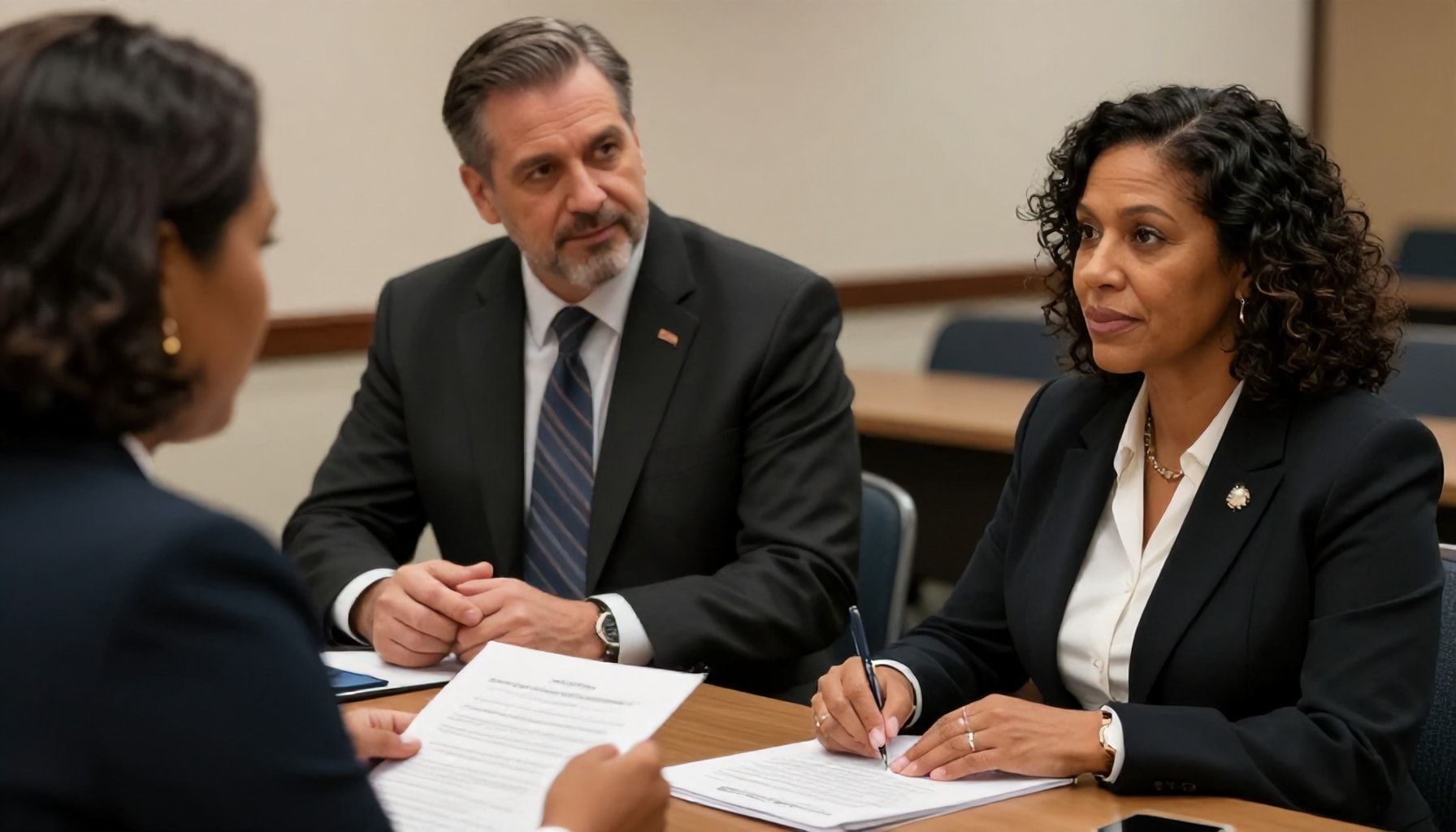
Preparing for your NYC naturalization interview? The process can feel overwhelming, but focusing on these five key topics will help you walk in confident and ready. First, brush up on U.S. civics and history. The test covers 100 questions, but you’ll only be asked up to 10. Study resources like those from the U.S. Citizenship and Immigration Services (USCIS) or local organizations such as the New York Immigration Coalition, which offers workshops across the five boroughs.
Next, know your application inside out. Be ready to discuss details from your N-400 form, including dates, addresses, and employment history. A common mistake? Inconsistencies between your application and interview answers. The NYC Public Library branches, from Sunset Park to Throgs Neck, offer free access to computers and study materials to help you prepare.
“Practice makes perfect,” says Maria Gonzalez, a naturalization expert at the Brooklyn-based organization Make the Road New York. She recommends mock interviews to build confidence. Also, review your English skills. The interview tests your ability to read, write, and speak basic English. For help, check out free classes at organizations like the YMCA in Harlem or the Chinatown Manpower Project in Manhattan.
Lastly, understand your rights. You have the right to have an interpreter present if needed, and you can reschedule if necessary. The NYC Mayor’s Office of Immigrant Affairs provides resources and support throughout the process. Remember, this is a significant step in your NYC journey. With the right preparation, you’ll be ready to embrace life as a U.S. citizen in the city that never sleeps.
Mastering these five topics puts New Yorkers on the fast track to citizenship, turning dreams of voting, traveling freely, and sponsoring family members into reality. Focus your study time on the 100 civics questions, especially those about New York’s history and government, and practice speaking English with local language exchange groups. As the city’s immigrant communities continue shaping NYC’s future, each naturalized citizen becomes a stronger voice in our democracy.