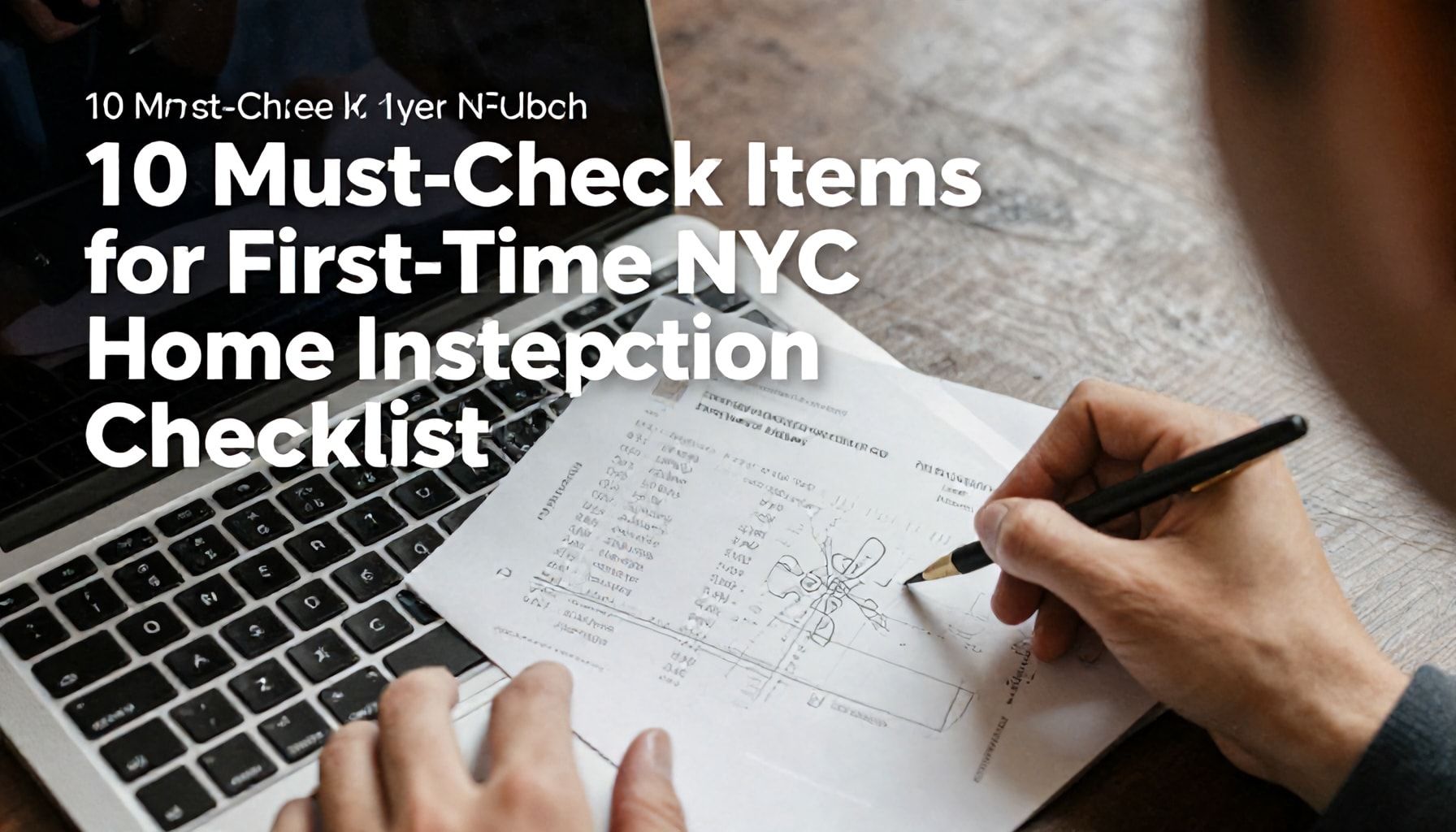
The median home price in New York City hit $750,000 last quarter, a 12% jump from last year, with first-time buyers flooding the market from Astoria to East New York. Whether you’re a recent transplant from Sunset Park or a lifelong resident of Washington Heights finally ready to own, navigating NYC’s real estate maze demands sharp eyes and smarter strategies. The city’s housing stock is as diverse as its people, from pre-war co-ops in Harlem to post-war condos in Flushing, each with their own quirks and challenges. That’s why a thorough home inspection isn’t just recommended—it’s essential. This Home Inspection Checklist NYC: First-Time Buyer Guide cuts through the noise with practical, neighborhood-specific advice. From checking for illegal conversions in Brooklyn brownstones to verifying boiler certifications in Bronx walk-ups, these 10 must-check items will help you avoid costly surprises. Whether you’re eyeing a Staten Island ranch or a Manhattan studio, this guide ensures you’re making an informed investment in your future.
Navigating NYC's Unique Real Estate Market
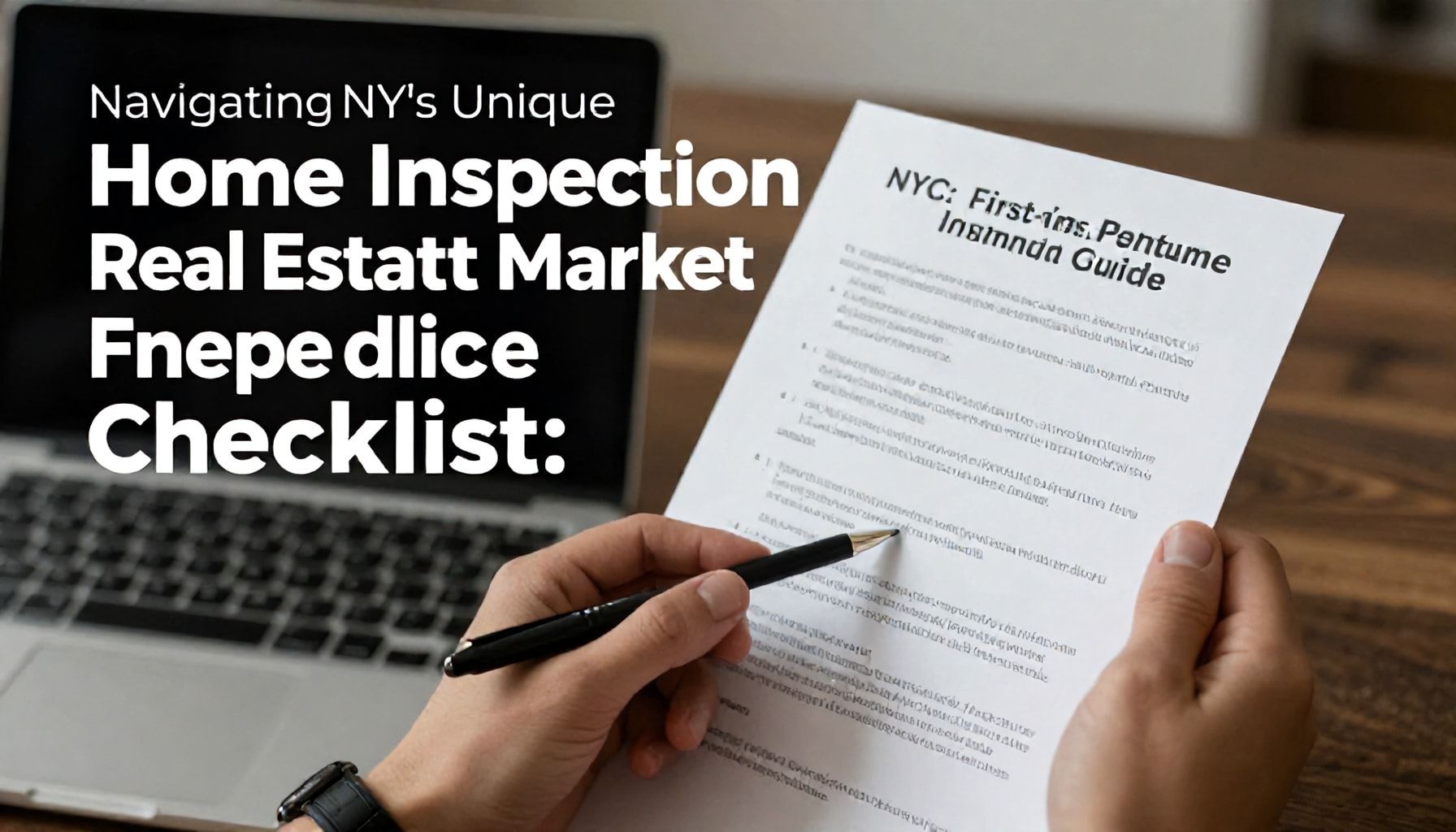
Buying a home in New York City is an exciting milestone, but the process can be overwhelming for first-time buyers. One crucial step is the home inspection, which can uncover hidden issues and save you from costly surprises. Here’s a must-check home inspection checklist tailored for NYC’s unique real estate landscape.
Start with the building’s structural integrity. In a city with a mix of historic brownstones and modern high-rises, cracks in walls, uneven floors, or signs of water damage can indicate serious problems. Pay close attention to the roof, especially in older buildings. Organizations like the NYC Department of Buildings offer resources on structural safety, and a licensed inspector can provide a thorough assessment.
Next, evaluate the building’s systems. Check the heating, ventilation, and air conditioning (HVAC) systems, particularly in older buildings where outdated systems are common. Ensure the plumbing is in good condition, as leaks or poor water pressure are frequent issues in NYC apartments. Electrical systems should also be up to code, especially in pre-war buildings where wiring may not meet modern standards.
Don’t overlook the building’s compliance with local regulations. For example, in Brooklyn’s Park Slope or Manhattan’s Upper West Side, many buildings have been converted from single-family homes to multi-unit dwellings. Ensure the conversion was done legally and that the building meets zoning and safety codes. A community organization like the Park Slope Betterment Association can provide guidance on local regulations.
Finally, consider the building’s amenities and shared spaces. In a city where co-ops and condos dominate, shared spaces like hallways, basements, and roofs must be well-maintained. Check for signs of neglect, such as peeling paint or broken fixtures, which could indicate broader issues with the building’s upkeep. A thorough inspection can help you make an informed decision and ensure your new home is a safe and sound investment.
Why Home Inspections Matter More in NYC

Buying a home in New York City is a significant milestone, but the process comes with unique challenges. First-time buyers often face a competitive market, aging infrastructure, and complex regulations. A thorough home inspection can uncover hidden issues and save thousands in repairs. Here are 10 must-check items to ensure your dream home doesn’t turn into a nightmare.
Start with the building’s structural integrity. Cracks in walls, uneven floors, or sagging ceilings can signal serious problems. In older buildings, common in neighborhoods like Harlem or Brooklyn Heights, look for signs of water damage or outdated wiring. The NYC Department of Buildings offers resources for understanding structural safety standards. According to a 2022 report from the NYC Housing Preservation and Development, nearly 20% of inspections revealed critical structural issues.
Next, inspect the plumbing and electrical systems. Old pipes can lead to leaks, while outdated electrical panels may not meet modern safety codes. In dense areas like Queens or the Bronx, where many homes share walls, these issues can affect neighbors. Ask the inspector about the age of the boiler and whether it meets energy efficiency standards. The Consolidated Edison website provides tips for evaluating electrical systems.
Don’t overlook the roof and attic. Flat roofs, common in NYC, require regular maintenance. Check for leaks, damaged shingles, or poor drainage. In neighborhoods with older buildings, like the Upper East Side, attics may hide insulation problems or pest infestations. A professional inspector can assess these areas safely and provide a detailed report.
Finally, review the building’s compliance with local laws. Ensure the home has proper permits for renovations and meets zoning regulations. The NYC Environmental Control Board can help verify compliance. A thorough inspection gives you peace of mind and protects your investment in this competitive market.
Top Concerns for First-Time Buyers in the Five Boroughs
First-time home buyers in New York City face a unique set of challenges. From aging infrastructure to tight spaces, the city’s housing stock demands careful scrutiny. A thorough home inspection can reveal critical issues, saving buyers from costly surprises. Here’s a must-check list for first-time buyers navigating the five boroughs.
Start with the building’s structural integrity. Look for cracks in walls, uneven floors, or signs of water damage. In older buildings, common in neighborhoods like Harlem or Bensonhurst, issues like lead paint or asbestos may lurk. The NYC Department of Housing Preservation and Development (HPD) offers resources for identifying these hazards. A licensed inspector can assess these risks, ensuring the property meets safety standards.
Next, evaluate the building’s systems. Check the condition of plumbing, electrical wiring, and HVAC systems. In densely populated areas like Washington Heights or Flushing, aging infrastructure can lead to frequent outages or repairs. Ask about recent updates or renovations. A well-maintained building in a neighborhood with active community involvement, such as Astoria or Sunset Park, often reflects better upkeep.
Don’t overlook the building’s compliance with local laws. Ensure the property has proper permits for any renovations. The NYC Open Data portal provides access to building violation records. Additionally, review the building’s financial health, including any pending lawsuits or outstanding violations. A proactive approach can prevent future headaches.
Finally, consider the neighborhood’s amenities and transit options. Proximity to subways, buses, and essential services like hospitals and schools can significantly impact quality of life. Organizations like the NYC Housing Authority (NYCHA) and local community boards offer insights into neighborhood resources. A well-informed decision can lead to a smoother transition into homeownership.
Essential Checks Before Signing on the Dotted Line
Buying a home in New York City is a significant milestone, but the process can be daunting, especially for first-time buyers. A thorough home inspection is crucial to avoid costly surprises. Here are 10 must-check items to ensure you’re making a sound investment.
Start with the building’s structural integrity. Look for cracks in walls, uneven floors, or signs of water damage. In older buildings, common in neighborhoods like Brooklyn Heights or Harlem, pay extra attention to the condition of load-bearing walls and foundations. The NYC Department of Buildings offers resources on structural safety standards.
Next, assess the electrical and plumbing systems. Faulty wiring or outdated plumbing can lead to expensive repairs. Ask the inspector about the age and condition of the boiler, pipes, and electrical panel. In dense areas like Queens or the Bronx, where buildings often share walls, ensure the plumbing is up to code to avoid future disputes with neighbors.
“A good inspector will check for signs of pests, such as rodents or bedbugs, which can be a common issue in older NYC apartments,” says Maria Rodriguez, a real estate agent with over a decade of experience in the city. She advises buyers to look for droppings, chewed wires, or small holes in walls.
Don’t overlook the condition of windows and doors. Proper insulation is key in NYC’s varying climate. Check for drafts, broken seals, or rotting frames. In high-rise buildings, ensure windows are compliant with local safety codes. Additionally, test all locks and security features to ensure the property is safe and secure.
Finally, inspect the building’s common areas and amenities. If you’re buying a condo in Manhattan or a co-op in Staten Island, review the financial health of the building’s reserve fund. Ask about upcoming assessments or major repairs. A well-maintained building can save you from unexpected fees down the line. By keeping these items in mind, you’ll be better prepared to navigate the NYC housing market with confidence.
Planning Your Next Steps in NYC's Competitive Market

Buying a home in New York City is a dream for many, but the competitive market and unique challenges require careful preparation. For first-time buyers, a thorough home inspection is crucial. Here’s a must-check list to navigate the process confidently.
Start with the building’s structural integrity. Cracks in walls or ceilings, uneven floors, or water damage are red flags. In older buildings, common in neighborhoods like Brooklyn Heights or Upper West Side, pay extra attention to plumbing and electrical systems. The NYC Department of Buildings offers resources for understanding building codes and violations, which can be a lifesaver.
Next, assess the neighborhood’s amenities and future development plans. Proximity to subways, schools, and parks—like Prospect Park or Central Park—can significantly impact quality of life. Check local community boards for upcoming projects that might affect property values. For example, the rezoning in Long Island City has transformed the area, making it a hotspot for first-time buyers.
Don’t overlook environmental factors. Noise levels, air quality, and natural light are key. In dense areas like Chinatown or Washington Heights, noise can be a concern. Ask about the building’s history—was it previously a commercial space? Some buildings, especially in gentrifying areas, may have hidden issues. Finally, review the co-op or condo board rules if applicable. Some buildings have strict policies on pets, renovations, or subletting, which can be deal-breakers for many.
For additional guidance, organizations like the NYC Housing Preservation & Development offer workshops and resources for first-time buyers. Taking these steps ensures you’re making an informed decision in one of the world’s most dynamic real estate markets.
Navigating New York City’s competitive real estate market requires preparation and knowledge, especially for first-time buyers. This checklist equips you with the tools to make informed decisions and avoid costly surprises. Before making an offer, hire a licensed home inspector familiar with NYC’s unique building structures and common issues like outdated electrical systems or water damage from aging pipes. As the city’s housing landscape evolves, empowered buyers contribute to stronger, more resilient communities.